DIY Solar Panels in Hawaii: Smart Investment or Costly Mistake?
DIY Solar Panels in Hawaii: Smart Investment or Costly Mistake?
DIY solar panels can save money on paper, but in Hawaii, the gap between "cheaper upfront" and "actually working on your roof" is where most homeowners run into trouble. If you're weighing whether to install DIY solar panels yourself or hire a licensed installer, the honest answer depends heavily on your property type: off-grid and non-interconnected setups can be a reasonable DIY project, while grid-tied home systems usually aren't, once permitting, code compliance, and Hawaii's wind and salt-air conditions enter the picture.
For homeowners and families facing some of the highest electricity rates in the country, this decision carries real financial weight — the appeal of DIY solar panels is obvious, but a failed inspection, a voided roof warranty, or months of permitting delays can erase any savings you were counting on. Hawaii's building codes, utility interconnection rules, and corrosive coastal environment add friction that many first-time installers underestimate.
By the end of this guide, you'll understand exactly what a DIY solar panels project involves, what it actually costs versus professional installation, and which specific situations make DIY worth considering versus which ones almost always call for a licensed installer. Let's start with what a DIY solar panels project really requires.
What a DIY Solar Panels Project Actually Involves
DIY solar panels means taking on nearly every part of a solar project yourself: system design, equipment sourcing, permitting, physical installation, inspections, and utility interconnection paperwork. It's a meaningfully different undertaking than buying a kit online and bolting it to your roof over a weekend.
For hands-on homeowners, the appeal of DIY solar panels is real — more control, and potentially lower upfront cost. But it also demands technical knowledge of electrical and structural codes, comfort working at height, and the patience to navigate Hawaii's permitting process without a licensed contractor smoothing the way. A typical DIY solar panels project requires solar panels and mounting hardware, an inverter and wiring, permit applications and inspections, and utility interconnection approval — and missing any one of these steps can stall the entire project.
Many homeowners start by researching how modern photovoltaic systems actually work before deciding whether DIY solar panels are realistic for their situation. That research is genuinely useful, but understanding the theory is very different from executing a fully code-compliant, grid-connected installation. A common misconception is that DIY solar panels are simply a smaller version of a professional job — in reality, Hawaii's wind-load requirements, corrosion-resistance standards, and utility-specific technical rules mean the bar for passing inspection is the same whether you hire a licensed installer or do it yourself.
The DIY Solar Panels Process, Step by Step
Understanding exactly what a DIY solar panels project involves — not just the general idea — is what lets you honestly assess whether it fits your skills, timeline, and property.
Step 1: Evaluate Your Home and Energy Needs
Before buying a single panel, review at least 12 months of electric bills to calculate your average usage, then assess your roof's orientation, shading, age, and structural condition. Hawaii's strong sunlight is ideal for solar, but trade winds and salt air demand higher-quality materials and more precise installation than a mainland climate typically requires. Professional site assessments often catch issues — undersized rafters, seasonal shading patterns — that DIY solar panels installers commonly miss, and skipping this step is one of the most common reasons a system underperforms once it's live.
Step 2: Design a Safe, Compliant System
System design is arguably the most technically demanding part of installing DIY solar panels. You'll need to calculate voltage limits, string sizing, and inverter capacity while meeting Hawaii's specific requirements, which often include rapid shutdown functionality and certified inverter models. Online sizing calculators can help, but they rarely account for island-specific utility rules, and design errors are one of the leading reasons DIY solar panels installations fail inspection or get denied grid connection outright.
Step 3: Secure Permits and Utility Approval
This is where many homeowners realize a DIY solar panels project is more involved than expected. Hawaii counties require both building and electrical permits before installation begins, with submitted system drawings, structural load calculations, and equipment specs. After installation, mandatory inspections must be passed before the utility will review your system for grid interconnection — and each island has slightly different requirements, adding another layer most first-timers don't anticipate. Licensed installers navigate this process routinely; DIY applicants frequently face delays from missing documentation or non-compliant designs.
Step 4: Install Panels and Electrical Components
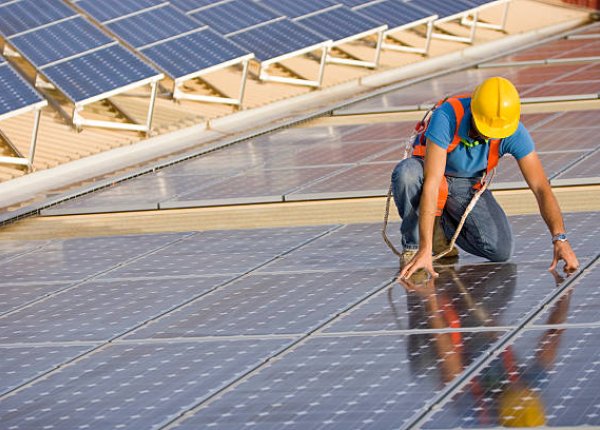
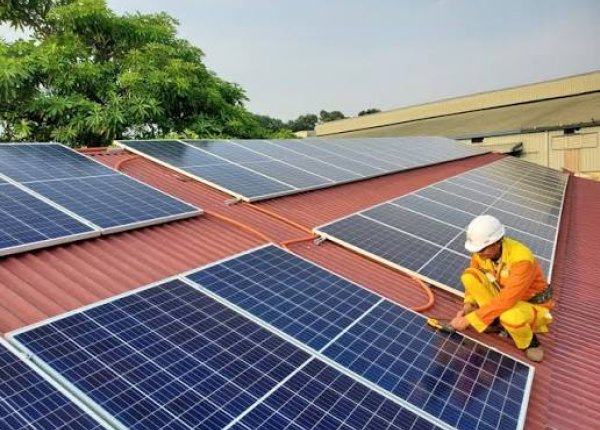
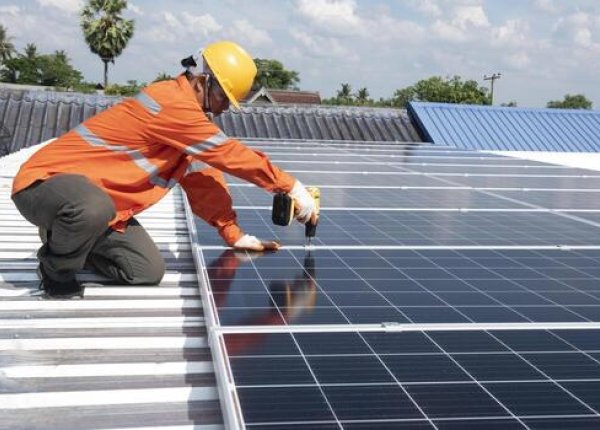
This phase carries the highest physical risk in any DIY solar panels project. Rooftop work increases fall risk, and electrical mistakes can lead to fire, equipment damage, or serious injury. Mounting systems must meet strict wind-load standards for Hawaii's conditions, and improper flashing can cause roof leaks that void both roofing and equipment warranties. Some homeowners end up calling in licensed electrical services to correct wiring issues an inspector flags — an unplanned cost that eats directly into the DIY savings they were chasing.
Step 5: Pass Inspection and Get Permission to Operate
Local inspectors verify code compliance after installation, and any issues found must be corrected before reinspection. Once inspections pass, the utility reviews your system for interconnection approval — and only after receiving Permission to Operate can a grid-tied system legally produce and export power. This final step is where many DIY solar panels projects either succeed cleanly or stall for months.
Real Hawaii Outcomes: DIY Solar Panels in Practice
Seeing how DIY solar panels projects actually play out for Hawaii homeowners makes the trade-offs far more concrete than a general risk list.
An Oahu homeowner attempted a DIY solar panels installation specifically to reduce upfront costs. After several permit revisions and two failed inspections, the project stretched to eight months — and the final cost came in only modestly lower than professional bids had quoted, once the delays and corrections were factored in.
A Maui property owner with an off-grid agricultural site had a much smoother experience: because utility interconnection wasn't required, their DIY solar panels and battery setup stayed on schedule and has performed reliably since, without the permitting complexity that grid-tied homeowners face. Their system pairs well with standalone PV storage solutions for energy independence.
The pattern is consistent: DIY solar panels tend to succeed when utility interconnection isn't in play, and tend to hit friction fast whenever a grid connection, permitting, and inspection are required.
Best Practices for Anyone Considering DIY Solar Panels
If you're still weighing DIY solar panels against professional installation, these habits separate homeowners who avoid costly mistakes from those who don't.
Don't Skip a Professional Design Review
Even committed DIY installers benefit from having a licensed professional review their system design before submitting for permits. Catching a sizing or code issue on paper is far cheaper than discovering it during a failed inspection.
Take Roof Condition Seriously Before You Start
Installing DIY solar panels on an aging or damaged roof often means removing and reinstalling the entire array once roof repairs become unavoidable. If your roof needs attention, address it first — roofing services can confirm whether your roof is actually ready before you invest in equipment.
Budget for Hawaii-Specific Hardware
Salt air accelerates corrosion, and Hawaii's wind loads demand reinforced mounting systems — marine-grade hardware isn't optional here the way it might be on the mainland. Skipping this to save money upfront is one of the most common regrets among DIY solar panels installers on coastal properties.
Understand Permitting Timelines Before You Commit
Hawaii's permitting process is detailed and, frankly, unforgiving of incomplete documentation. Build realistic time into your plan — a DIY solar panels project that assumes a fast approval timeline is often the one that ends up taking the longest.
Know When to Call in a Professional
If your project involves utility interconnection, a standard grid-tied setup, or any electrical work you're not fully confident in, working with a qualified PV provider — even for just the trickiest portions — often protects more value than it costs.
Applying these practices consistently is what determines whether DIY solar panels end up as a genuine investment or an expensive lesson.
Is DIY Solar Worth It, or Should You Call a Professional?
Now you understand what DIY solar panels really involve: the step-by-step process, the Hawaii-specific permitting and material requirements, and the real difference in outcomes between off-grid and grid-tied projects.
For most standard, grid-tied Hawaii homes, professional installation still delivers better long-term value — certified installers move through permitting faster, carry manufacturer warranties DIY installs typically forfeit, and integrate more easily with future upgrades like storage or EV charging. DIY solar panels remain a reasonable option mainly for off-grid cabins, agricultural properties, or homeowners with genuine construction and electrical experience who aren't dealing with utility interconnection at all.
If you want a clear picture of what a professionally installed system would actually cost and save compared to a DIY solar panels project, get a free solar estimate from Alternate Energy Hawaii and compare the real numbers before you decide.
Frequently Asked Questions
Is it legal to install DIY solar panels in Hawaii?
Yes, but every system — DIY or professionally installed — must meet Hawaii's building codes and utility interconnection requirements. Skipping permits or inspections isn't just risky; it can prevent your system from ever being legally connected to the grid.
How much can I actually save by installing DIY solar panels myself?
Savings typically range from modest to meaningful upfront, mainly from avoiding labor costs, but permitting delays, design corrections, or failed inspections can quickly shrink or eliminate that gap. Professional installers often get bulk equipment pricing that narrows the cost difference further.
Do DIY solar panels qualify for available tax credits?
They may, provided the system is properly installed, documented, and passes all required inspections. Confirm current eligibility requirements with a tax advisor or your county before assuming a DIY project qualifies the same way a professionally installed one does.
Can I connect a DIY solar panels system to the grid myself?
Yes, but utility interconnection approval is usually the most challenging part of the entire process, requiring passed inspections and complete documentation. This step is where many DIY grid-tied projects experience the longest delays.
When does DIY solar installation make the most sense?
DIY solar panels tend to work best for off-grid cabins, small ground-mounted systems, or battery-only setups that don't require utility interconnection. For standard grid-tied homes, the permitting and code-compliance requirements usually favor professional installation.