Energy as an Asset: Scaling with a Solar Panel Business in Hawaii
Energy as an Asset: Scaling with a Solar Panel Business in Hawaii
Partnering with an established solar panel business allows property owners to transform unpredictable electricity expenses into scalable, high-yielding real estate assets. Rather than continuously renting expensive power from Hawaiian Electric, commercial operators and residential property managers can scale long-term wealth by generating clean, self-sustaining energy on-site.
In an island economy with the nation’s highest utility costs, uncontrolled energy overhead directly erodes property values and squeezes net operating income. Partnering with a proven solar panel business stabilizes operational expenses, builds immediate equity, and shields commercial investments against volatile fuel rate hikes.
In this guide, you will learn how a dedicated solar energy business model unlocks maximum tax incentives, enhances long-term asset value, and provides complete energy independence. Here is how scaling with local solar expertise changes the financial equation for island properties
Understanding Solar panel Business Investments as Long-Term Financial Assets
A solar panel business model focuses on developing, engineering, and deploying custom photovoltaic (PV) infrastructure designed to convert rooftop space into income-generating energy assets. Rather than treating electricity as a non-recoverable operational expense, property owners partner with a commercial solar energy business to capture sun power, offset heavy utility overhead, and build long-term real estate equity.
In Hawaii's isolated island grid, where electricity prices remain the highest in the country, uncontrolled utility expenses directly reduce Net Operating Income (NOI) for multi-family residential complexes and commercial properties. Transitioning to custom photovoltaic systems enables property managers to lock in predictable energy costs, hedge against rising fuel surcharges, and stabilize cash flow across their portfolios.
Investing in commercial-grade solar infrastructure delivers distinct operational and financial advantages:
- Substantial Tax Credit Offsets: Unlocks Hawaii's 35% state tax credit alongside federal incentives to drastically lower the initial capital outlay.
- Capital Appreciation: Elevates overall property valuation by converting an ongoing overhead liability into owned asset equity.
- Uninterrupted Operations: Pairs seamlessly with PV + storage solutions to provide immediate battery backup power during local grid outages.
- Tenant & Stakeholder Value: Delivers sustainable, low-cost power options that attract quality commercial tenants and support local environmental mandates.
A common oversight among property owners is viewing renewable installations as isolated equipment purchases rather than comprehensive energy management strategies. In reality, working with a seasoned solar panel installation business creates a unified power ecosystem that pays for itself through guaranteed utility savings over a 25-year operational lifespan.
Strategic Steps for Scaling a Solar Energy Investment Portfolio
Building a scalable solar panel business strategy requires property owners and developers to treat power infrastructure as a capital asset rather than an operational expense. The step-by-step roadmap below outlines how commercial operators, residential developers, and asset managers can systematically evaluate, finance, deploy, and scale clean power systems across an island property portfolio.
Step 1: Conduct a Comprehensive Portfolio Energy Audit
Before investing in equipment, establish a clear baseline of your current electric overhead across all properties. Analyze at least 12 months of utility records to identify peak energy consumption times, baseline power demands, and existing rate structures.
Evaluate physical structural constraints, such as roof age, structural load capacities, and available square footage. Properties with older roofs should integrate necessary roofing repairs or replacements into the solar engineering plan to prevent costly tear-downs later.
Step 2: Structure Maximum Incentive and Financing Packages
Capitalizing on available government tax incentives drastically lowers the initial capital required to scale a solar asset footprint. Work with specialized financial partners to stack federal, state, and local utility benefits:
- Federal Business Investment Tax Credit (ITC): Claims up to a 30% federal tax credit on qualifying commercial solar and battery hardware expenses.
- Hawaii State RETITC: Leverages Hawaii's 35% Renewable Energy Technologies Income Tax Credit to offset state income tax liability.
- Accelerated Depreciation (MACRS): Applies 5-year MACRS accelerated depreciation schedules to write off system assets rapidly and boost immediate cash flow.
- Honolulu Property Tax Exemptions: Qualifies for a 100% real property tax exemption on alternative energy improvements, ensuring system installations build asset equity without raising annual county tax bills.
Step 3: Partner with In-House Technical Experts for Engineering and Grid Approval
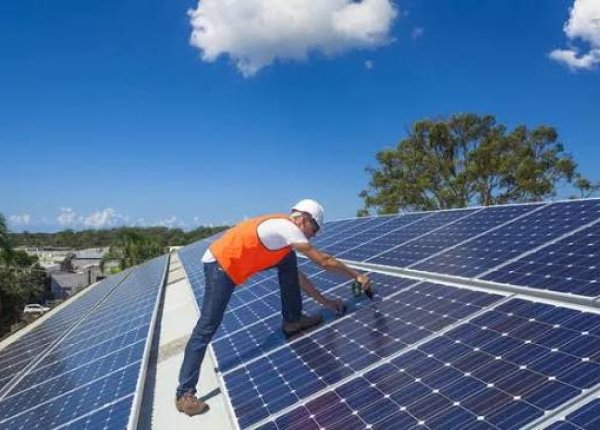
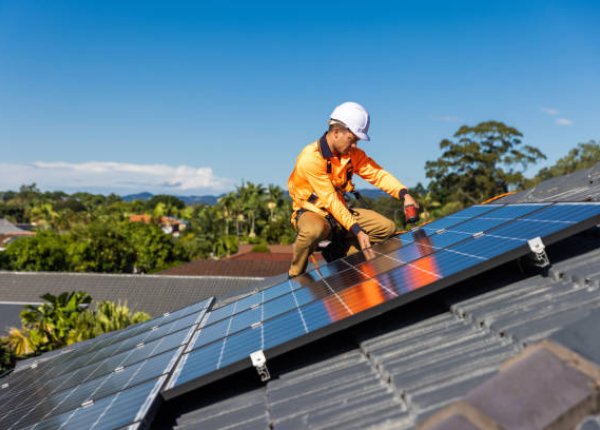
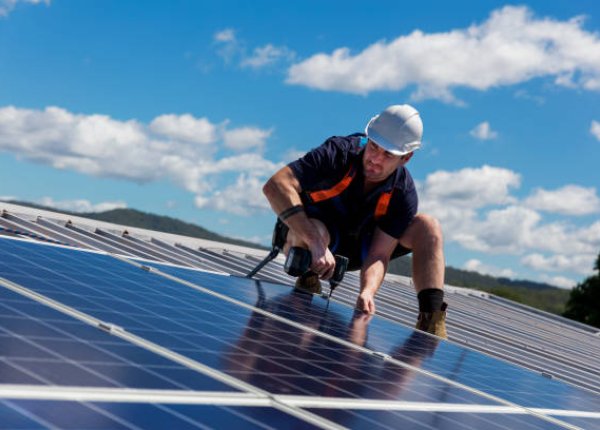
Navigating Hawaii's complex grid interconnection requirements demands experienced local technical execution. Partnering with a dedicated solar panel installation business that uses in-house licensed electrical journeymen ensures system schematics meet National Electrical Code (NEC) standards and Hawaiian Electric Company (HECO) interconnection policies.
Avoid installers that rely on third-party subcontractors, as inconsistent workmanship leads to utility permitting delays, safety compliance failures, and voided manufacturer warranties. Selecting an established, locally owned partner provides a single point of accountability for system engineering, permitting, and grid commissioning.
Step 4: Integrate Battery Storage and Advanced Load Management
To maximize return on investment under current Hawaiian Electric export billing rules, commercial solar arrays must capture excess daytime production for use during peak evening hours. Incorporating PV + storage solutions allows property owners to store low-cost solar power, avoid expensive time-of-use utility rates, and ensure total operational continuity during local grid blackouts.
Additionally, combining solar arrays with high-efficiency commercial upgrades—such as centralized mini-split cooling systems—dramatically lowers total facility power demands. Managing base energy loads reduces the total battery capacity required, optimizing overall system payback windows.
Step 5: Execute Performance Monitoring and Multi-Site Expansion
Once the initial system is active, deploy digital monitoring software to track daily energy generation, battery charge cycles, and utility bill offsets in real time. Analyzing performance data provides proof of concept, allowing property managers to project financial returns accurately as they scale solar infrastructure across additional commercial locations or multi-family real estate developments.
By systematically working through these operational steps, property owners turn heavy energy liabilities into valuable, income-protecting assets while establishing a sustainable, long-term solar energy business framework across Hawaii.
Applying Solar Energy Business Models in Real-World Property Applications
Translating commercial energy strategies into tangible asset appreciation becomes clear when evaluating real-world operational deployments. The practical scenarios below illustrate how island property managers and real estate developers leverage a solar panel business approach to optimize operational cash flow and safeguard long-term real estate equity.
- Lowering Overhead for Multi-Family Residential Properties: A Oahu property manager overseeing a 24-unit apartment building faced skyrocketing utility expenditures for shared lighting, pumping, and common-area cooling.
To resolve this, they partnered with a commercial solar power installation business to deploy a 45 kW rooftop array paired with battery storage. By shifting power generation on-site, the property eliminated 88% of its shared utility bills, increasing annual Net Operating Income (NOI) by over site-specific while elevating the total commercial building valuation.
- Securing Operational Stability for Commercial Warehouses: A logistics warehouse in Kapolei required uninterrupted power for cold-storage operations, yet struggled with expensive peak-hour electric rates. The owner integrated a high-capacity solar array alongside PV + storage solutions to store low-cost solar power for peak evening distribution.
This action completely insulated their primary supply chain against local grid outages, reduced daily operating charges, and accelerated their complete system capital payback window to under 5 years.
- Attracting High-Value Tenants in Urban Retail Spaces: A Honolulu commercial plaza owner installed rooftop solar and integrated EV charging stalls to modernize the property's infrastructure. The eco-friendly upgrade lowered shared maintenance overhead, attracted premium long-term retail tenants, and boosted overall lease renewal rates across the facility.
These practical applications prove that treating renewable infrastructure as an active solar system business asset delivers immediate expense mitigation and lasting financial stability across any island property portfolio.
Expert Best Practices for Managing a Solar Panel Business Asset
Applying field-tested advice makes the difference between simply installing rooftop panels and building a high-yielding, resilient energy asset. These practical best practices help you maximize returns when scaling a solar panel business footprint across your real estate portfolio.
- Demand In-House Licensed Journeymen for Installation: Avoid contracting companies that outsource technical labor to third-party subcontractors. Partnering with an established solar panel installation business that uses in-house electrical professionals ensures strict adherence to local building codes, optimizes system wiring, and prevents safety hazards or voided equipment warranties.
- Integrate Commercial-Grade Energy Efficiency Upgrades: Lowering base power consumption prior to sizing your rooftop array keeps capital hardware requirements lean. Pairing solar PV with high-efficiency energy-efficient air conditioning reduces overall cooling demands, allowing a smaller, lower-cost battery bank to cover your facility's entire evening energy load.
- Align Structural Roofing Lifespans with Solar Hardware: Installing long-term solar arrays on aging roof decks leads to costly removal and reinstall fees during future structural repairs. Always perform a complete roof audit or structural refurbishment before mounting racking systems so both assets share a matching 25-plus year operating lifespan.
- Leverage Local Hawaii Tax Incentives and Depreciation Early: Work closely with specialized tax professionals to capture Hawaii’s 35% state tax credit alongside federal ITC benefits and 5-year MACRS accelerated depreciation during the initial year of operation. Maximizing early financial offsets accelerates total payback, allowing you to reinvest saved capital into scaling your broader solar energy business strategy.
Implementing these expert insights ensures your commercial energy assets operate safely, perform at peak efficiency, and deliver predictable, long-term financial yields.
Scaling Your Property Assets with a Dedicated Solar Panel Business Strategy
Treating energy as a capital asset allows commercial property owners and developers to eliminate volatile utility liabilities while unlocking long-term real estate equity. Partnering with a proven solar panel business turns unpredictable electric bills into fixed, income-protecting assets that increase Net Operating Income (NOI) across your entire island portfolio.
Building a sustainable solar energy business framework today enables you to capitalize on Hawaii’s generous 35% state tax credit, federal ITC benefits, and accelerated depreciation schedules. Taking action now protects your real estate investments against rising utility costs, ensuring complete operational resilience and long-term financial security for decades to come.
Ready to elevate your property portfolio and achieve true energy independence with a trusted solar installation business? Contact Alternate Energy Hawaii today to schedule a consultation and explore our custom photovoltaic commercial solutions.
Frequently Asked Questions About Solar Panel Business Assets
Is a commercial solar panel business investment fully tax-deductible in Hawaii?
Yes, commercial solar installations qualify for substantial tax deductions and credits. Commercial property owners can leverage Hawaii’s 35% state tax credit alongside federal Business Investment Tax Credit (ITC) benefits. Additionally, accelerated depreciation through MACRS allows businesses to write off a significant portion of system costs in the first five years, drastically reducing upfront capital outlay and boosting net operating income.
How does scaling a solar installation business asset increase commercial property value?
Installing commercial solar panels directly increases property equity by converting an ongoing operational overhead liability into a fixed asset. Lowering electric utility expenditures increases Net Operating Income (NOI), which elevates the overall appraisal value of commercial real estate without triggering higher local property taxes due to state real property tax exemptions.
Can a solar energy business installation remain functional during local grid blackouts?
Yes, provided the solar array is integrated with battery storage. Standard grid-tied systems shut off automatically during power outages for safety, but pairing your commercial array with PV + storage solutions allows your facility to island from the grid, supplying continuous back-up power to critical operational hardware, refrigeration, and security systems.
What is the average payback period for a commercial solar system in Hawaii?
Most commercial solar panel projects in Hawaii achieve full capital payback within 4 to 6 years. Because island commercial electricity rates are among the highest in the country, the immediate reduction in utility bills—combined with federal, state, and utility incentives—accelerates return on investment, delivering pure financial savings for the remaining 20+ years of equipment lifespan.
About the Author
Ryan Malaluan, CAPM®, is an SEO & Content Strategist with over 8 years of experience in SEO, content strategy, and digital marketing. He holds a Bachelor of Arts in Literature and is a Certified Associate in Project Management (CAPM®). Throughout his career, Ryan has worked with brands including Spacer, Airtasker, Marlee (formerly Fingerprint for Success), VEED.IO, and ROSEMET LLC, as well as several digital marketing agencies, helping businesses strengthen their organic visibility through strategic, results-focused SEO and content.