The Grid Independence Bible: Mastering the HECO BYOD Solar Energy System Installation
Achieving true grid independence through a solar energy system installation on Oahu requires more than just panels; it demands a strategic partnership with the grid via the HECO BYOD (Bring Your Own Device) program. With utility rates reaching 2026 highs, many homeowners fear that solar alone isn't enough to stop the bleeding of monthly electric bills. Without a properly integrated battery system, excess energy is often wasted or sold back to the grid for pennies, leaving families vulnerable to rising evening costs and unexpected power outages.
The shift toward a "smart" home ecosystem is no longer a luxury but a necessity for financial survival in the islands. By combining a high-efficiency home solar array with advanced battery storage, you can capitalize on upfront incentives, starting at site-specific per kW, while ensuring your household remains powered 24/7. This guide will provide a clear roadmap for mastering the solar energy system installation process, helping you determine exactly how many panels you need to eliminate dependence on fossil fuels for good.
Let’s break down how to turn your rooftop into a private power plant that pays you back.
What is a Solar Energy System Installation in 2026?
A solar energy system installation is the integrated process of mounting photovoltaic (PV) panels and configuring advanced battery storage to create a self-sustaining power source for your property. In 2026, this is no longer just about placing panels on a roof; it is about building a "smart" energy ecosystem. The process involves high-precision electrical engineering where a solar energy system installation team connects your home to a localized grid-support network, such as the HECO BYOD Plus program, allowing your home to generate, store, and even share power for financial credit.
For Oahu homeowners, this matters because the traditional "grid-only" model is increasingly expensive and less reliable during peak evening hours. A properly engineered home solar array acts as a hedge against rising utility rates and provides a critical safety net. When you transition to PV storage solutions, you aren't just saving money, you are ensuring your family has power during outages and tropical storms. By participating in programs like BYOD Plus, your system becomes a financial asset, earning upfront cash incentives, often site-specific per kW committed, plus monthly credits for supporting the island's grid.
Mastering your home’s energy footprint provides several practical outcomes:
- 24/7 Resilience: Stored energy powers your home at night and during grid failures.
- Optimized ROI: Upfront incentives and tax credits significantly shorten the time it takes for the system to pay for itself.
- Future-Proofing: High-efficiency systems are designed to accommodate future electric vehicle charging and increased home cooling needs.
A common mistake many property owners make is focusing solely on the number of panels without considering the battery's role in daily energy management. Understanding how these components work together is the first step toward true independence.
The Step-by-Step Solar Energy System Installation Roadmap
Transitioning to a solar energy system installation in 2026 is a precise engineering project that requires more than just mounting hardware. At Alternate Energy Hawaii, our in-house licensed journeymen follow a rigorous, island-tested protocol to ensure your solar energy system installation provides maximum ROI while qualifying for programs like HECO BYOD Plus. This section breaks down exactly what to expect from the moment we assess your roof to the day you gain grid independence.
Step 1: The Multi-Point Site Assessment
A successful installation begins with data, not sales pitches. Our team conducts a comprehensive site audit that covers:
- Structural Integrity: We evaluate your rafters and sheathing to ensure your roof can handle the "dead load" of a home solar array.
- Solar Resource Analysis: Using advanced modeling, we identify micro-shading from chimneys or trees that could trigger "clipping" in your energy production.
- Electrical Infrastructure: We check your main service panel to ensure it meets the NEC 120% rule, determining if an upgrade is needed to handle the backfeed of a whole house solar system.
Step 2: Custom Engineering & "Magic Number" Calculation
One of the most frequent questions we hear is: how many solar panels do I need? In Hawaii, the answer depends on your goal. Do you want to offset 100% of your bill, or optimize for battery storage?
- Typical System Size: Most homes with solar panels on Oahu require an 8.74 kW system to cover average usage.
- Panel Count: Depending on the efficiency of the modules (typically 430W in 2026), a typical home solar system size ranges from 18 to 26 panels.
- Load Profiling: We analyze your "Green Button" data to see when your peak usage occurs, ensuring your solar panels for residential roofs are positioned to capture the best sun for your specific consumption habits.
Step 3: Permitting and HECO Interconnection
Navigating the Honolulu Department of Planning and Permitting (DPP) can be a bottleneck for mainland firms. Because we are a local authority, we manage the entire documentation process, ensuring your PV storage solutions meet the strict technical requirements of the BYOD Plus program. This stage is critical for securing your site-specific per kW upfront incentive and ensuring your system is legally cleared for grid-export.
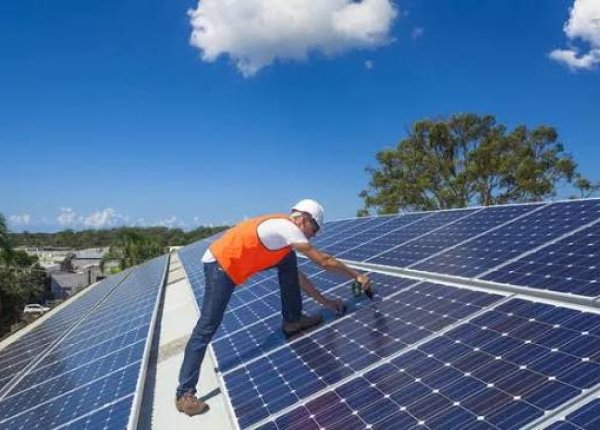
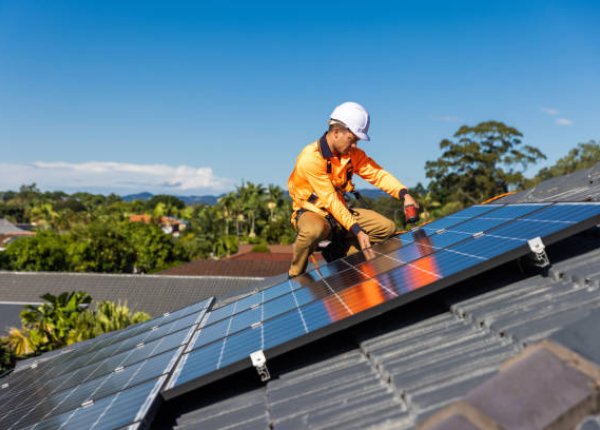
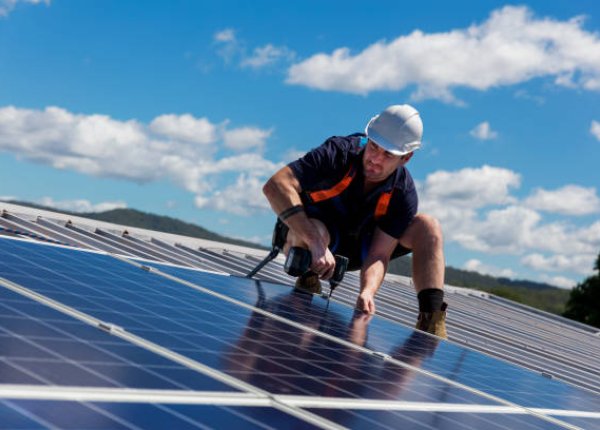
Step 4: The Physical Installation & Commissioning
Unlike firms that use subcontractors, our in-house teams handle every wire and bolt.
- Mounting: We install marine-grade racking designed for Hawaii's salt air.
- Wiring: DC wiring is run to your high-efficiency inverters, where energy is converted for home use.
- Battery Integration: The battery, the heart of your whole house solar system, is installed and programmed.
- Commissioning: We run 7 days of operational data to verify your battery's commitment to the grid, which is a mandatory requirement for HECO incentive payouts.
Step 5: System Handover and Monitoring
Once the "Permission to Operate" (PTO) is granted, we walk you through your monitoring app. You will see in real-time how your solar energy installation process has resulted in a home that prioritizes its own needs first, stores excess in the battery, and earns credits by supporting the Oahu grid during peak demand windows. This is the moment your home officially moves from being a utility liability to a self-sustaining asset.
Grid Independence in Action: Real Results for Oahu Families
Moving from technical specifications to daily life shows the true value of a professional solar energy system installation. These real-world scenarios demonstrate how homeowners leverage the HECO BYOD Plus program to transform their utility relationship from a monthly burden into a strategic asset.
Use Case #1: The Growing Family in Ewa Beach The Antonio family struggled with site-specificonthly bills due to the constant AC needs of their multi-generational home. By installing a custom home solar array paired with high-capacity battery storage, they successfully committed 5 kW to the grid’s peak hours, earning a site-specific upfront cash incentive. Today, their bill is consistently reduced to the site-specificinimum connection fee, and they have since used the savings to integrate energy-efficient air conditioning throughout their home.
Use Case #2: The Tech-Savvy Homeowner in Nuuanu Seeking total resilience, the Lee family opted for a whole house solar system designed to power their entire property through tropical storms. They maximize their return by participating in the BYOD Plus "LMI Adder" program, which doubled their upfront incentive for a total of site-specific back on their initial investment. The outcome is 24/7 power security and a monthly export credit that further offsets their remaining utility costs.
Use Case #3: The Efficiency Upgrade in Kapolei A homeowner with an aging system realized their old panels weren't meeting modern cooling demands. After a professional audit, they upgraded to a 22-panel high-efficiency system, which provided the surplus energy needed to charge their new electric vehicle while still supporting the grid.
These examples prove that with the right engineering, grid independence is a measurable reality. You can apply these same strategies to protect your home and your wallet starting today.
Expert Strategies for a Seamless Solar Transition in 2026
Mastering your home’s energy footprint requires moving beyond basic research and into the practical application of industry best practices. These refined strategies ensure your solar energy system installation delivers the highest possible resilience and return on investment in Hawaii’s unique market.
- Prioritize Efficiency Over System Size Before finalizing your solar panels for residential roofs, tackle your home’s "energy leaks." Investing in energy-efficient air conditioning or solar water heating can reduce your overall consumption by up to 40%. This proactive approach allows you to achieve grid independence with a smaller, more cost-effective solar array, saving you thousands in upfront equipment costs.
- Design for "Salt-Air" Longevity On Oahu, your hardware is constantly battling corrosion. Always verify that your installer uses marine-grade stainless steel fasteners and anodized aluminum racking. A home solar array built with mainland-standard materials often shows structural failure within five to seven years, whereas island-specified hardware ensures your system remains secure through decades of tropical humidity and high winds.
- Optimize Your BYOD Commitment When participating in HECO’s BYOD Plus program, don't just commit the minimum. Work with your technician to analyze your evening battery reserves; committing a higher kilowatt (kW) amount during peak 6:00 PM to 9:00 PM windows can significantly increase your upfront cash incentive. This strategic planning ensures you earn the maximum site-specific per kW while still retaining enough stored power for your own household's nighttime needs.
By applying these professional insights, you move from a standard installation to a high-performance energy asset that is truly "built for the islands."
Secure Your Energy Independence with a Strategic Solar Solution
A successful solar energy system installation in 2026 is no longer a DIY guesswork project; it is a sophisticated financial and technical strategy. You now understand that by integrating a precision-engineered home solar array with the HECO BYOD Plus program, you can transform your rooftop into a resilient power plant that earns upfront cash and protects your family from rising utility costs. Mastering this process means moving from passive energy consumption to active grid independence, ensuring your household remains powered regardless of external fluctuations.
With the current window for maximum state and federal tax credits remaining open and utility programs offering historic incentives for battery integration, the financial case for action has never been stronger. Taking this step now provides your home with immediate protection against power outages and long-term relief from high electricity bills.
If you are ready to stop renting your power and start owning it, contact our team today for a comprehensive consultation on your solar energy system installation to see how much you can save under the HECO BYOD Plus guidelines.
Frequently Asked Questions About Solar Energy System Installation
How many solar panels do I need to power a house in Hawaii? Most Oahu homes require between 18 and 26 panels to achieve complete energy offset. The "magic number" depends on your annual kilowatt-hour (kWh) usage and the efficiency of your modules, typically 430W in 2026. For a typical home solar system size of 8.74 kW, you can expect to produce roughly 12,000 kWh annually, which is sufficient for a standard four-bedroom home with central air conditioning.
Is it worth adding a battery to my home solar array in 2026? Yes, primarily because of the HECO BYOD Plus program and the 2026 tax environment. Adding PV storage solutions allows you to capture excess daytime energy for use during expensive evening peak hours. Furthermore, the BYOD Plus program provides an upfront cash incentive of site-specific per kW committed, which, when combined with the 30% federal tax credit, significantly reduces the total cost of your solar energy system installation.
What is the solar energy installation process timeline on Oahu? The entire process generally takes 3 to 6 months, though the physical installation on your roof only lasts 1 to 3 days. The majority of the timeline is dedicated to structural engineering sign-offs, Honolulu DPP permitting, and HECO’s interconnection approval. Working with an in-house team of licensed journeymen ensures that technical documentation is handled correctly the first time, preventing common utility delays that can stall your "Permission to Operate" (PTO).
Can I install a whole house solar system if my roof is old? We strictly recommend that your roof has at least 15 to 20 years of remaining life before proceeding with a solar energy system installation. Installing a 25-year solar array on a 15-year-old roof leads to expensive "remove and reinstall" costs later. As a certified 5-Star CertainTeed roofing specialist, we often coordinate roof replacements simultaneously with solar installs to ensure the structural integrity of your home remains intact and fully warrantied.