The In-House Mandate: Why Who Installs Solar Panels for Your House Matters
The In-House Mandate: Why Who Installs Solar Panels for Your House Matters
When investing in solar panels for your house, the hands that install your system are just as critical as the technology itself. Choosing a provider that relies on dedicated, in-house licensed journeymen—rather than unvetted third-party subcontractors—is the single most important factor in ensuring the safety, efficiency, and decades-long reliability of your home solar panels.
In Hawaii's unique tropical environment, a poorly executed solar installation can lead to devastating roof leaks, premature equipment failure, and costly electrical hazards. For local homeowners, a residential solar panel system for home energy independence is a major financial milestone, meaning shortcuts taken by fly-by-night crews can jeopardize both your roof and your long-term return on investment.
Alternate Energy Hawaii explains exactly how the "in-house mandate" protects your property, maximizes your financial incentives, and ensures your system withstands the elements. Let’s dive into why total installation accountability changes everything for your home.
The True Value of In-House Craftsmanship for Your Home Solar Panels
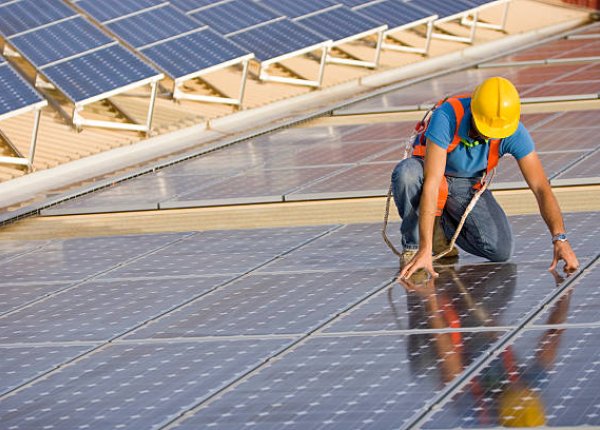
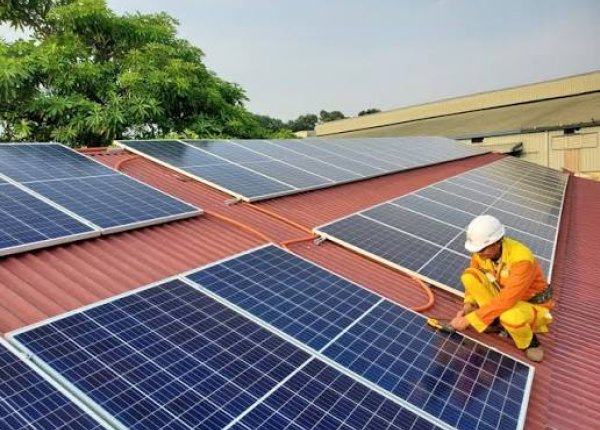
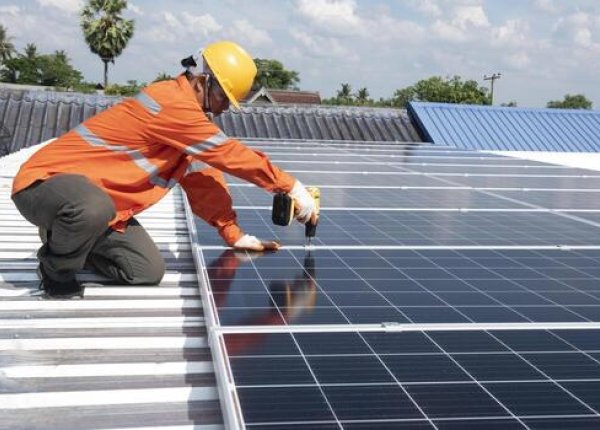
When evaluating solar panels for your house, the installation model determines your system's lifetime performance. An "in-house mandate" means that the company designing your system is the exact same company mounting the hardware, running the conduit, and tying into your electrical grid. Instead of handing your project off to temporary third-party subcontractors, a dedicated provider utilizes their own full-time, licensed journeymen electrical professionals. This vertical integration ensures a single line of accountability, consistent safety standards, and craftsmanship engineered specifically for your roof.
Who executes your solar installation matters immensely because a residential solar panel system is not a plug-and-play appliance—it is a complex, high-voltage utility integrated directly into your home's structure. In Hawaii, salt air, intense UV rays, and heavy rains will ruthlessly expose any shortcut taken during construction.
Selecting a team that treats your home like their own yields immediate, practical advantages:
- Structural Integrity: Expert integration with your roof avoids devastating leaks and preserves your structural warranties.
- Maximum Energy Yield: Precision engineering ensures your photovoltaic solar panels for your house operate at peak efficiency from day one.
- Grid Compliance: Licensed experts ensure seamless coordination with local utility infrastructure and advanced PV battery storage solutions.
A common misconception is that all solar companies handle their own labor. In reality, many national brands operate merely as sales offices, outsourcing the physical labor to the lowest bidding subcontractor. When a system underperforms or leaks occur, these middlemen often point fingers at each other, leaving the homeowner stranded. True energy independence requires an elite, unified team that stands behind every single wire and bracket.
The Subcontractor Trap: The Real Risks to Your House Solar Panels
Many homeowners assume that the brand name on their solar contract matches the uniform of the crew on their roof. In the renewable energy industry, however, a massive volume of sales-heavy companies immediately farm out their field labor to third-party subcontractors. This creates a dangerous disconnect between what you are promised in your living room and the actual craftsmanship executed on your property.
When you invest in solar panels for your house, bypassing this subcontractor model is essential to protecting your physical structure and financial asset. Let’s break down the hidden risks of outsourced labor and how an unwavering in-house mandate ensures your residential solar panels perform flawlessly for decades.
1. The Erosion of Craftsmanship and Quality Control
When a solar provider outsources an installation, they surrender direct control over the quality of the workmanship. Subcontractors are typically paid flat rates per job, incentivizing them to rush through the physical process as quickly as possible to maximize their own profit margins.
On a roof, speed kills quality. Rushed crews routinely cut corners on critical steps like structural flashing, conduit securing, and waterproof sealing. With premium residential solar systems, structural components must be engineered meticulously to withstand salt-air corrosion and high tropical winds. When unvetted workers treat your roof like a generic assembly line, the long-term integrity of your home is compromised.
2. Disappearing Warranties and Zero Accountability
The most frustrating aspect of the subcontractor model occurs when something goes wrong. If your roof begins to leak or your solar power system for home energy generation drops unexpectedly, a game of corporate finger-pointing begins.
The sales company blames the installation subcontractor, while the subcontractor claims they followed the exact designs provided by the sales office. Meanwhile, your home suffers active water damage. By contrast, an all-in-house engineering team provides a single, unbroken line of accountability. If an issue ever arises, there is no middleman to hide behind—the company that sold the system is entirely responsible for fixing it.
3. Electrical Hazards and System Inefficiencies
A high-capacity solar panel for house installations is not a basic DIY project; it is a live, high-voltage power generation facility built on top of your family's living space. Mapping this infrastructure safely requires extensive technical training.
Many subcontracted crews rely on general laborers rather than credentialed electrical specialists. This lack of rigorous training increases the risk of micro-cracks in the PV modules during rough handling, poorly matched string inverters, and loose electrical terminations. These hidden mistakes can lead to severe system degradation, arc faults, or even catastrophic house fires.
4. Collateral Damage to Other Home Systems
A comprehensive home energy transition often extends far beyond roofing brackets. For true energy optimization, your solar infrastructure must interface smoothly with other high-load appliances.
Rushed, outsourced crews rarely understand how a solar array interacts with advanced climate controls or modern vehicle chargers. An in-house team looks at your property holistically, ensuring your solar arrays perfectly support peripheral upgrades like high-efficiency split system air conditioning or dedicated, high-speed electric vehicle charging stations without overloading your main electrical panel.
Why Direct Employment Changes Everything
When an installer directly employs their entire field crew as full-time staff, the dynamic completely shifts. These professionals receive continuous safety training, specialized manufacturer certifications, and fair company benefits. They are not incentivized to cut corners to save an hour of time. Instead, their performance reflects directly on the reputation of the local business they represent, ensuring that the solar panels for your house are installed with the care, precision, and technical excellence your home deserves.
The In-House Advantage: Real-World Homeowner Success
Transitioning from abstract installation concepts to actual execution on your rooftop highlights why who you hire matters. When deploying solar panels for your house, having a unified, credentialed team transforms a stressful construction project into a seamless home upgrade.
- The Oahu Family Maximizing Savings: A multi-generational family in Kapolei wanted to eliminate a recurring site-specificonthly utility bill by installing premium house solar panels. Instead of dealing with fragmented crews, an integrated in-house team managed their entire engineering blueprint, roof fortification, and solar water heating installation simultaneously. The project completed right on schedule, instantly plunging their monthly electric liability down to the baseline site-specific utility connection fee.
- The Tech-Forward Home Buyer: A new property owner in Kailua sought complete grid independence and emergency backup readiness. They required a high-capacity solar panel system for home resilience paired with advanced battery configurations. AEI's dedicated, full-time electrical journeymen executed the sophisticated wiring and program configuration flawlessly, delivering a system that automatically switches to battery backup during island grid outages.
These real-world outcomes demonstrate that a strict corporate commitment to quality labor eliminates guesswork. Investing in an all-in-house installation model guarantees that your home energy transition is safe, durable, and highly profitable from day one.
How to Verify Your Solar Provider Has a Genuine In-House Team
Moving beyond sales pitches and understanding the reality of field labor requires a bit of strategic verification. When shopping for solar panels for your house, asking the right questions upfront protects your family from the structural and financial risks of outsourced labor.
- Ask for Electrical License Numbers: A legitimate provider will proudly share their corporate contracting credentials and verify that the crew on your roof consists of licensed journeymen. True home solar panels must be wired by credentialed professionals to ensure strict safety compliance and structural longevity.
- Inquire About Post-Install Maintenance: Ask who handles your system if an inverter faults five years from now. Companies utilizing an in-house model maintain dedicated technician crews and direct support lifelines, ensuring you never have to deal with third-party finger-pointing.
- Verify Single-Source Property Care: Ensure the company handles peripheral structural needs themselves. For instance, if your roof requires structural preparation before a solar installation, verify if they provide integrated roofing services directly under the same corporate umbrella to maintain single-point accountability.
- Demand a Written Labor Guarantee: Ensure your contract explicitly states that all labor is executed by direct, full-time employees. This simple clause safeguards your solar panels for home energy generation against sudden legal or warranty coverage gaps down the line.
Employing these screening best practices gives you absolute certainty that your clean energy investment is handled by a team that will stand by their work for the next thirty years.
Secure Your Investment in Solar Panels for Your House
Choosing who mounts and wires the solar panels for your house is just as vital as selecting the premium equipment itself. You now understand how an unwavering in-house mandate eliminates corporate finger-pointing, protects your roof from catastrophic structural leaks, and guarantees maximum long-term financial returns. With this clarity, you can confidently bypass the risks of subcontracted labor and select a partner that prioritizes safety and local accountability.
Taking charge of your energy future right now protects your household against soaring utility rate increases while securing your family's grid resilience. Investing in a properly engineered solar power system for home energy independence gives you total peace of mind, knowing your asset is optimized for Hawaii's intense coastal environment.
Ready to maximize your island tax incentives with a team of licensed electrical journeymen backed by over thirty years of local expertise? Schedule your comprehensive property consultation and design a custom solar panel system for home efficiency with Alternate Energy Hawaii today.
Frequently Asked Questions About Home Solar Installation
What is the biggest risk of using subcontractors to install solar panels for your house?
The greatest risk is a total breakdown in quality control and long-term warranty accountability. Subcontractors are frequently paid flat rates per project, which often incentivizes rushed labor. This speed can result in improperly sealed roof penetrations, loose high-voltage wiring, and degraded system efficiency. If your home solar panels suffer an operational failure or cause a structural roof leak later, the sales company and the subcontractor often blame one another, leaving the property owner stranded with expensive repair bills.
How can I verify if a local company handles their own solar installation labor?
You can verify this by explicitly asking the provider if the field crew arriving at your home are direct, full-time W-2 employees or third-party contractors. Always demand their corporate electrical contractor license number and verify that licensed journeymen will lead the physical installation. A truly integrated company will put this labor guarantee in writing within your contract, ensuring your residential solar panel for house deployment is completely protected.
Can an in-house team handle other home energy upgrades at the same time?
Yes, an all-in-house engineering team provides a massive advantage because they look at your property's electrical infrastructure holistically. Instead of dealing with fragmented trades, a single coordinated team can install your solar power system for home energy generation while simultaneously integrating advanced battery backups or upgrading your main electrical panel. They can even deploy high-efficiency electrical services to safely support modern vehicle charging stations or multi-room split AC units without overloading your grid connection.
Why do some brands outsource their residential solar systems?
Many national brands and newer startups operate primarily as sales and marketing offices rather than technical contractors. Outsourcing the physical labor allows them to lower their corporate overhead and scale up their sales volume rapidly without maintaining expensive service fleets, local warehouses, or full-time field staff. However, while this corporate model benefits the middleman's bottom line, it exposes the homeowner to inconsistent craftsmanship and severe long-term warranty risks on their house solar panels.