Industrial Solar Energy: How Solar Power Improves Manufacturing Efficiency in Hawaiʻi
Industrial Solar Energy: How Solar Power Improves Manufacturing Efficiency in Hawaiʻi
If energy is one of your biggest operating costs, industrial solar energy can cut it directly by powering your production floor with electricity generated on your own roof or land. For Hawaiʻi manufacturers facing some of the highest commercial power rates in the country, that means lower costs per unit and more predictable margins.
For plant owners and property managers, energy is more than a line item. High manufacturing energy costs squeeze profits, make pricing harder, and leave operations exposed to utility rate hikes and outages. Industrial solar energy gives businesses a way to control a cost that has historically been out of their hands.
This guide explains how solar improves manufacturing efficiency, where the savings come from, and what to plan for before investing. Let's start with what industrial solar actually involves.
What Industrial Solar Energy Is and Why It Matters for Manufacturers
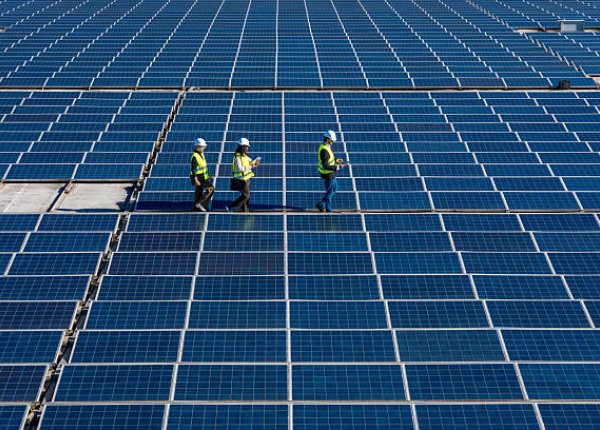
Industrial solar energy refers to large-scale photovoltaic systems that supply electricity to factories, processing plants, warehouses, and other industrial facilities. These systems are typically installed on large rooftops, over parking areas as carports, or on nearby land, and they connect directly to the facility's electrical service to power equipment, lighting, refrigeration, and HVAC.
This matters because manufacturing is energy-intensive, and in Hawaiʻi that energy is expensive. Commercial electricity rates here have historically run well above mainland averages, and many businesses also pay demand charges based on their highest usage spikes. A well-designed commercial solar system offsets a major share of that daytime consumption, which is exactly when most production runs.
Key benefits include:
- Lower operating costs. Solar-generated power replaces electricity bought at commercial rates.
- More predictable budgeting. Energy costs become far less exposed to utility rate increases.
- Better use of space. Large, flat warehouse rooftops that otherwise sit idle become productive assets.
- Stronger resilience. When paired with storage, critical processes can keep running through grid disruptions.
A common misconception is that solar only reduces energy usage charges. In reality, pairing panels with commercial battery storage can also reduce demand charges, which often make up a surprisingly large share of an industrial bill.
How Industrial Solar Energy Improves Manufacturing Efficiency
Industrial solar energy improves efficiency by lowering the cost of every unit you produce, stabilizing operations, and making better use of existing facilities. Here's where the gains come from, and why a professionally engineered commercial solar installation matters for capturing them.
1. Solar Matches Production Schedules
Most manufacturing runs during daylight hours, which is exactly when solar output peaks. That alignment means a large share of production power can come straight from the panels rather than the grid. The result is a lower energy cost per unit, which improves margins without changing a single process on the floor.
2. Batteries Cut Costly Demand Charges
Many Hawaiʻi businesses on commercial rate schedules pay demand charges based on their highest usage within a billing period. A single spike, like several motors, compressors, or chillers starting at once, can raise the bill for the entire month. Commercial battery storage can discharge during those spikes to shave the peak. Peak demand reduction is often one of the fastest paybacks in an industrial energy project.
Tip: Ask your installer to analyze interval data from your meter, not just monthly totals. Demand patterns show where storage delivers the most value.
3. Rooftops and Lots Become Revenue-Protecting Assets
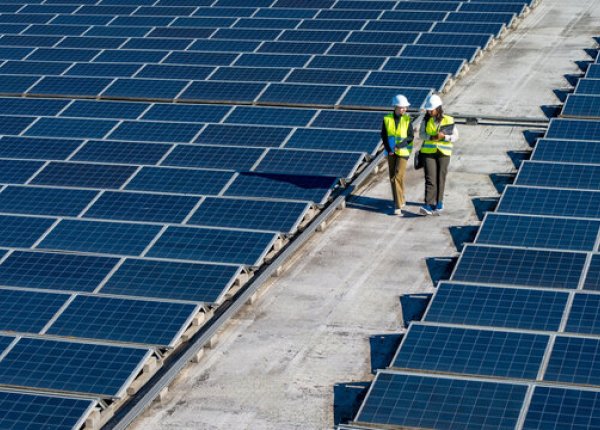
Warehouse rooftop solar turns unused space into a power plant. Solar carports provide covered parking and shade that reduces vehicle heat, and ground-mounted arrays can use unproductive land. Rooftop panels can also shade the building, which may slightly reduce cooling loads in hot facilities.
4. Operations Become More Resilient
Outages halt production lines, spoil perishable inventory, and can damage sensitive equipment. A solar-plus-storage system can be configured to keep critical loads running, such as refrigeration, control systems, or key machinery, during a grid disruption. For food processors and cold-storage operators, that resilience protects inventory directly.
5. Energy Data Reveals Hidden Waste
Commercial solar systems come with detailed monitoring. When production and consumption data sit side by side, facility managers often spot inefficiencies such as equipment running overnight, compressors short-cycling, or lighting left on in unused zones. Solar becomes a starting point for broader energy efficiency in manufacturing.
6. Incentives Improve the Financial Case
Hawaiʻi offers a state renewable energy tax credit for commercial systems, and federal commercial incentives may also apply, though their rules and deadlines have changed recently. Accelerated depreciation can further improve returns. Review our solar financing and incentives page and confirm current eligibility with your tax advisor.
7. Sustainability Supports Business Growth
More buyers, distributors, and partners now ask suppliers about their energy sources. Running on industrial solar energy gives manufacturers a concrete, measurable sustainability story, which can strengthen bids and support Hawaiʻi's broader clean energy goals.
Real-World Examples of Industrial Solar Energy in Hawaiʻi
Here's how industrial solar energy plays out for different types of facilities.
A Food Processor in Campbell Industrial Park
A food processing plant faced high bills driven by refrigeration and daytime production. The company installed a large rooftop array with commercial battery storage sized to trim demand peaks and back up cold storage. Energy costs dropped substantially, and refrigerated inventory stayed protected during a later grid outage.
A Distribution Warehouse in Kapolei
A warehouse with a massive flat roof and steady daytime lighting and HVAC loads added warehouse rooftop solar. The system now covers most of its daytime consumption and has turned idle roof space into a long-term cost-saving asset.
A Small Manufacturer on Maui
A small fabrication shop used monitoring data from its new system to discover equipment left running after hours, which cut waste beyond the solar savings themselves.
These examples show solar power for businesses delivering measurable results across different operations.
Best Practices for Planning an Industrial Solar Energy Project
A successful industrial solar energy project depends on planning as much as equipment. These practices help protect your investment.
Start With Interval Load Data
Monthly bills hide the demand spikes that drive costs. Pull 15-minute interval data from your utility so the system and battery can be sized around real production patterns.
Assess Your Roof Before You Build
Confirm roof age, structural capacity, and condition first. If the roof needs replacement within a few years, do it before installing panels to avoid costly removal and reinstallation.
Plan for Critical-Load Backup
Identify which processes must keep running during outages, such as refrigeration, controls, and safety systems. Designing backup around those loads keeps storage costs reasonable.
Specify Equipment for Coastal Conditions
Many industrial zones sit near the ocean. Use corrosion-resistant racking and salt-mist-rated solar panels to protect performance for decades.
Budget for Ongoing Maintenance
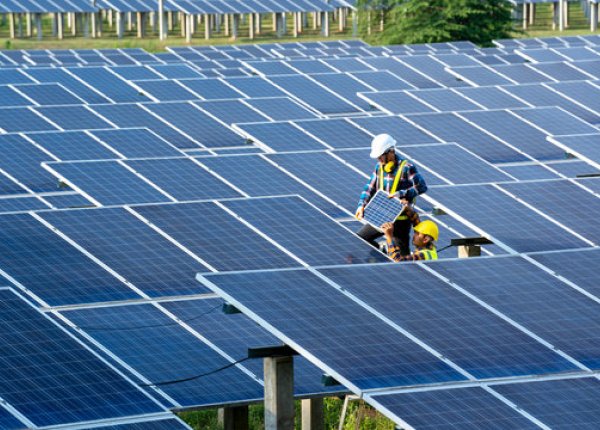
Dust, vog, and industrial particulates reduce output. A scheduled cleaning and inspection plan keeps commercial solar in Hawaii performing at full capacity.
Following these steps turns solar from a one-time project into a lasting efficiency upgrade.
Why Industrial Solar Energy Makes Sense for Hawaiʻi Manufacturers
Industrial solar energy lowers manufacturing energy costs by powering daytime production with on-site generation, while storage trims demand charges and protects critical operations. The result is lower cost per unit, more predictable budgets, and a more resilient facility.
With commercial electricity rates high and incentive rules shifting, planning now puts your business in a stronger position to capture the savings and available credits.
To understand how incentives could shape your project's return, review our financing options. Then talk to Alternate Energy Hawaiʻi about a commercial solar assessment for your facility.
Frequently Asked Questions About Industrial Solar Energy
How much can industrial solar energy reduce manufacturing costs?
Savings depend on facility size, usage patterns, and system design, but many manufacturers offset a large share of daytime electricity use. Because Hawaiʻi commercial rates are high, industrial solar energy often delivers stronger savings here than on the mainland. Adding storage for demand charge reduction can increase savings further.
Can solar power run heavy manufacturing equipment?
Yes. Solar feeds your facility's electrical service like grid power does, so it can supply motors, compressors, and machinery. The grid or batteries fill in when production exceeds solar output. Proper engineering ensures power quality and capacity match your equipment's requirements.
What happens to production during a power outage?
Standard grid-tied systems shut off during outages for safety. With commercial battery storage and the right controls, a system can keep critical loads running. Learn more on our battery storage page.
How long does a commercial solar project take in Hawaiʻi?
Timelines vary with system size, permitting, and utility interconnection review. Smaller commercial projects may take a few months, while large industrial installations can take longer. Starting with a detailed site assessment helps avoid delays.
About the Author
Ryan Malaluan, CAPM®, is an SEO & Content Strategist with over 8 years of experience in SEO, content strategy, and digital marketing. He holds a Bachelor of Arts in Literature and is a Certified Associate in Project Management (CAPM®). Throughout his career, Ryan has worked with brands including Spacer, Airtasker, Marlee (formerly Fingerprint for Success), VEED.IO, and ROSEMET LLC, as well as several digital marketing agencies, helping businesses strengthen their organic visibility through strategic, results-focused SEO and content.