Locally Owned Excellence: Alternate Energy Hawaii Contractor Solar Services Since 1993
Locally Owned Excellence: Alternate Energy Hawaii Contractor Solar Services Since 1993
Rising electric rates and grid instability leave many Oahu homeowners feeling vulnerable to endless, expensive monthly utility bills. Partnering with an experienced contractor solar specialist provides an all-in-one residential energy solution, seamlessly integrating high-efficiency rooftop panels, battery backup systems, and custom electrical infrastructure.
Choosing a fly-by-night installer or relying on detached mainland brokers often leads to poor craftsmanship, subcontractor delays, and abandoned warranties when systems fail in Hawaii's harsh salt air.
Working with established solar contractors oahu homeowners trust ensures your installation is designed specifically for island conditions by licensed in-house journeymen. Evaluating top-tier solar companies oahu families depend on allows you to lower your electric costs while securing full energy resilience.
In this guide, you will learn how custom contractor solar installations work, how to maximize combined state and federal tax incentives, and how to choose the right system design for long-term power independence. Read on to discover how three decades of local expertise can transform your home's energy future.
Understanding Contractor Solar Engineering in Hawaii
A specialized contractor solar installation is a custom-engineered renewable energy system designed, permitted, and constructed specifically for a home's unique structural and electrical demands. Unlike generic, mass-market solar kits or door-to-door sales packages, professional solar contracting delivers an end-to-end infrastructure build.
Licensed electrical journeymen evaluate roof pitch, shading profiles, breaker box capacity, and household consumption patterns to create a seamless, high-efficiency power plant.
For Hawaii homeowners, relying on experienced hawaii solar power companies is essential due to the state's extreme electricity rates and unique environmental factors. Salty air, tropical downpours, and intense UV radiation rapidly degrade subpar equipment and rushed installations.
Choosing a master contractor solar provider ensures your system incorporates salt-corrosion-resistant racking, premium microinverters, and high-performance panels built to withstand island weather for decades.
Investing in a professionally installed system delivers immediate financial relief and long-term energy resilience:
- Utility Bill Reduction: Generating clean energy directly on your roof offsets peak Hawaiian Electric (HECO) rates, reducing monthly electric bills to standard connection fees.
- Integrated Battery Resilience: Pairing panels with advanced PV storage solutions captures excess daytime generation, providing 24/7 power security during grid outages.
Alternate Energy Hawaii - Property Value Enhancement: Modern photovoltaic systems upgrade your home's infrastructure, boosting appraisal value while locking in predictable energy costs for years to come.
A common misconception among homeowners is that all solar power companies hawaii offers provide identical installation standards. In reality, relying on third-party subcontractors or unaccredited crews often results in roof leaks, electrical fire hazards, and voided manufacturer warranties. Partnering with established, in-house experts eliminates these operational risks entirely.
Step-by-Step Execution of a Custom Residential Solar Project
Deploying a high-performance residential energy system requires precision engineering, local regulatory mastery, and flawless physical execution. Designing a contractor solar build involves a structured, five-stage methodology that turns an initial property assessment into an asset that delivers maximum financial returns.
- Stage 1: Comprehensive Site Evaluation & Load Analysis — Conducting an on-site structural and electrical audit to examine roof integrity, spatial orientation, micro-shading, and main breaker capacities. Engineers analyze past Hawaiian Electric (HECO) utility statements to map daily consumption patterns and establish an accurate system baseline.
- Stage 2: Custom System Engineering & Equipment Selection — Designing a high-performance hardware architecture using microinverters and island-tested PV modules. Custom planning combines rooftop solar generation with complementary upgrades, such as energy efficient air conditioning or dedicated electric vehicle charging stations.
- Stage 3: Local Permitting & HECO Interconnection — Submitting detailed electrical schematics to the Honolulu Department of Planning and Permitting (DPP) to secure building permits. Simultaneously, engineers submit interconnection paperwork under current HECO tariff structures, such as the Bring Your Own Device (BYOD Plus) program.
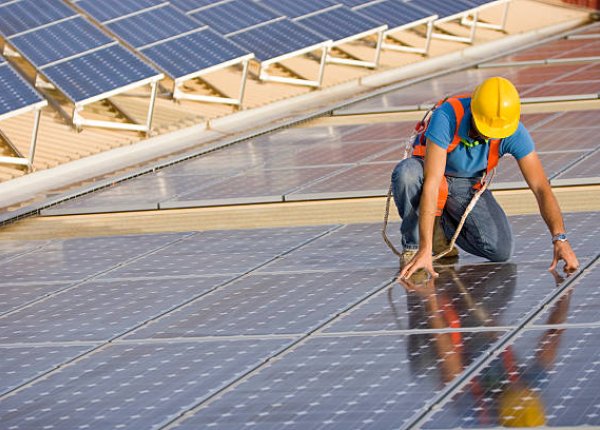
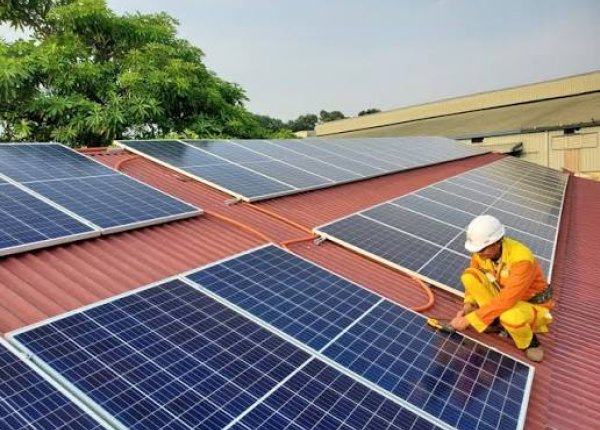
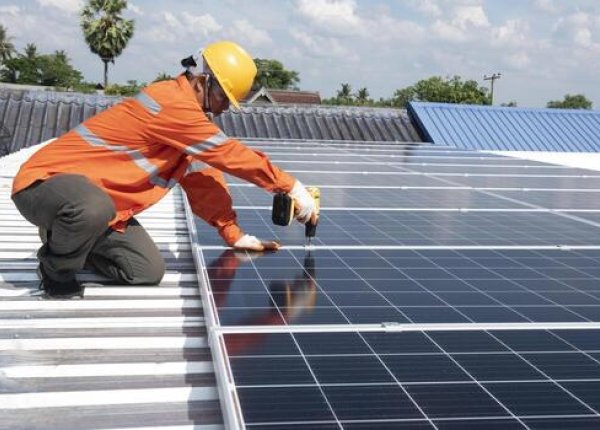
- Stage 4: In-House Build by Licensed Journeymen — Executing physical construction with direct, in-house electrical journeymen rather than third-party subcontractors. Certified technicians handle roof attachments, weather-seal flashing points, main panel tie-ins, and any required roofing repairs to protect structural integrity.
- Stage 5: PTO Activation & Ongoing Technical Support — Coordinating final safety reviews with city inspectors and HECO to secure official Permission to Operate (PTO). Direct access to a specialized PV tech support team guarantees continuous monitoring and rapid assistance throughout the system's operational lifespan.
Key Financial Drivers: Maximizing Local and Federal Tax Credits
The financial feasibility of residential renewable energy depends heavily on leveraging available tax incentives. Hawaii offers some of the country's most supportive clean-energy programs, helping offset initial capital costs:
- Hawaii State Renewable Energy Tax Credit: Claim up to a 35% state tax credit on qualified residential solar installations, capping at site-specific per 5kW module sequence for single-family homes.
- HECO BYOD Plus Incentives: Utility-sponsored programs provide upfront cash incentives (starting at site-specific per kW committed) and ongoing monthly bill credits in exchange for supplying stored battery energy during peak grid demand windows.
- Integrated Efficiency Savings: Combining PV systems with specialized solar water heating reduces water heating loads by up to 80%, shrinking overall system sizing requirements and total project expense.
Partnering with knowledgeable best solar company in hawaii specialists ensures every available tax credit, utility rebate, and program incentive is applied correctly. Expert guidance transforms complex financial frameworks into clear, high-yield investments for your home.
Real-World Applications of Contractor Solar Systems in Hawaii
Seeing how custom energy infrastructure functions in everyday island scenarios demonstrates the direct value of experienced engineering. Here is how local property owners apply professional contractor solar solutions to solve pressing home energy challenges:
- The High-Consumption Family in Ewa Beach: Facing monthly electricity bills exceeding site-specific due to continuous split AC usage, a family of five needed a permanent way to curb runaway cooling costs. They partnered with local solar contractors oahu residents rely on to deploy a 7.2 kW photovoltaic array paired with battery storage.
By generating clean daytime power and running air conditioning off stored energy at night, the family reduced their monthly utility obligation down to the minimum site-specific connection fee.
- The Outage-Prone Homeowner in Kaneohe: Tired of losing power during tropical storms, a Windward Oahu homeowner sought grid independence without relying on loud, fossil-fueled generators.
A specialized contractor solar team integrated a high-capacity solar battery bank alongside updated electrical services to protect essential household circuits. During subsequent grid disruptions, their lights, refrigeration, and medical devices remained fully operational without a single second of interruption.
- The Future-Proof EV Owner in Pearl City: A commuter driving a new electric vehicle wanted to avoid charging off high residential grid rates. Experienced solar companies oahu commuters trust engineered a direct PV-to-EV home charging solution. This custom setup allows the owner to charge their vehicle using 100% self-generated solar energy, saving over site-specific annually in fuel costs.
These real-world outcomes prove that tailored energy designs deliver immediate savings and total reliability across every corner of Oahu.
Expert Advice for Getting the Most Out of Contractor Solar In Hawaii
Applying strategic industry insights allows homeowners to bridge the gap between basic solar installation and long-term financial optimization. Following these practical best practices ensures your contractor solar system operates safely, maximizes incentive payouts, and delivers predictable performance for decades.
- Audit Household Electrical Loads Before Sizing Your System: Evaluate major power draws like central air, water heaters, and electric vehicles before finalized engineering begins. Sizing your system against future consumption avoids underpowered installations, allowing experienced solar contractors oahu families hire to design an array that easily handles expanding energy needs.
- Enroll in Utility Grid-Sharing Incentive Programs: Take full advantage of Hawaiian Electric programs like BYOD Plus to monetize stored battery power. Partnering with established solar companies oahu residents trust ensures your battery configuration qualifies for upfront cash incentives—starting at site-specific per committed kilowatt—alongside continuous monthly bill credits without sacrificing critical emergency backup reserves.
Eco Solar Hawaii - Verify Your Roof’s Structural Integrity Prior to Installation: Inspect decking, shingles, or tiles before racking hardware is anchored to prevent future removal costs. Requesting integrated roofing evaluations from certified in-house technicians guarantees your roof outlasts its 25-year solar warranty, protecting your structural investment against tropical weather and saltwater corrosion.
- Audit Contractor Licensing and In-House Crew Credentials: Ensure your installer uses direct, licensed journeymen electricians rather than unvetted third-party subcontractors. Confirming in-house master electrical credentials guarantees strict Hawaiian building code compliance, flawless main panel tie-ins, and long-term warranty accountability.
Implementing these proactive steps secures your financial return, prevents structural complications, and ensures a seamless transition to clean energy independence.
Partner with Oahu’s Proven Contractor Solar Specialists
Securing long-term energy independence requires an experienced, locally grounded contractor capable of delivering custom-engineered solutions built specifically for Hawaii's coastal environment. Working with established contractor solar professionals ensures your home benefits from expert load design, seamless utility permitting, and master-level installation by licensed in-house journeymen.
By choosing proven solar contractors oahu families have trusted for decades, you protect your property investment and maximize all available state and federal financial incentives.
Taking charge of your home's energy ecosystem eliminates unpredictable electric rate hikes and provides your family with absolute grid resilience. Investing in high-performance solar and battery storage allows you to lock in low utility overhead, safeguard household safety during unexpected outages, and enjoy complete peace of mind.
To evaluate your home's production potential and explore tailored system designs, schedule your consultation with Alternate Energy Hawaii for premier contractor solar solutions engineered for Oahu homes.
Frequently Asked Questions About Contractor Solar Services
How long does a contractor solar installation take from start to finish on Oahu?
A typical contractor solar installation takes between six to twelve weeks from contract signing to final system activation. While physical rooftop construction by licensed journeymen takes just one to three days, the overall timeline is primarily governed by city engineering permits, Hawaiian Electric (HECO) grid-interconnection approvals, and scheduling final municipal safety inspections.
What is the difference between purchasing solar panels and leasing them?
Purchasing a system gives you full ownership, allowing you to maximize the 30% federal tax credit and Hawaii’s 35% state renewable energy tax credit. Leasing lowers upfront costs but transfers tax incentives to the third-party owner. Experienced solar contractors oahu families consult recommend direct ownership or specialized financing to capture maximum long-term equity and property value appreciation.
Bank of Hawaii
Can a contractor solar system power my entire home during grid blackouts?
Yes, provided your array is paired with an advanced battery storage system. Standard grid-tied PV systems automatically shut down during utility outages for safety reasons. Integrating battery backup allows established solar companies oahu residents rely on to isolate your home’s critical electrical circuits, running lights, refrigeration, and split air conditioning continuously without relying on noise-polluting gas generators.
Why should I choose an in-house contractor over third-party installers?
Working with an in-house contractor ensures every phase of your project is handled by accountable, locally licensed electrical journeymen rather than unvetted subcontractors. Top-tier providers offering integrated electrical services guarantee master-level craftsmanship, strict local building code adherence, and rapid post-installation technical support, giving you a single point of long-term accountability.