Solar Powered Transportation and EV Charging
Powering Hawaii’s Transportation Future With Solar Energy
Hawaii has always lived with a unique energy reality. Fuel arrives by ship, electricity rates remain among the highest in the nation, and transportation accounts for a major share of overall energy use across the islands. If you commute daily, manage a business fleet, or are considering an electric vehicle, you have likely asked a practical question. Is there a smarter and more affordable way to power transportation in Hawaii?
This is where solar powered transportation changes the conversation. By combining Hawaii’s abundant sunlight with electric vehicles and solar powered EV charging, residents and businesses can reduce fuel costs, cut emissions, and gain greater energy independence. Instead of relying on imported fuel or grid-only electricity, transportation energy can be generated locally by the sun.
In this guide, you will learn how solar powered transportation works, why it is especially effective in Hawaii, and how EV charging fits into a clean, future-ready energy strategy. We will cover real applications, benefits, and practical considerations so you can decide whether solar energy transportation is right for your home or business.
What Solar Powered Transportation Really Means
Solar powered transportation refers to using solar energy to supply electricity for vehicles rather than gasoline or grid-only power. In most real-world systems, this means pairing electric vehicles with solar panel transportation solutions that generate clean electricity for charging.
For Hawaii, this approach is especially impactful. Transportation costs are high, fuel prices fluctuate, and grid electricity remains expensive due to dependence on imported oil. Solar powered transportation directly addresses these challenges by producing energy locally and renewably.
Key benefits include:
- Lower long-term transportation costs
- Reduced reliance on imported fuel
- Cleaner air and lower carbon emissions
- Greater energy independence and resilience
Despite common assumptions, solar powered vehicles do not require experimental technology. Most systems rely on proven solar panels, inverters, and EV chargers that work together seamlessly. The result is a practical and scalable model for renewable energy transportation that works for single households, businesses, and fleets.
How Solar Powered Transportation Works in Practice
At its core, solar powered transportation integrates solar energy generation, electric vehicles, and charging infrastructure into one coordinated system.
Designing Solar Transportation Systems
Solar powered transportation begins with a properly sized solar energy system. Panels generate electricity during daylight hours that can be used immediately for vehicle charging or stored for later use. Hawaii’s consistent sun exposure makes solar production reliable throughout the year, which supports daily transportation needs.
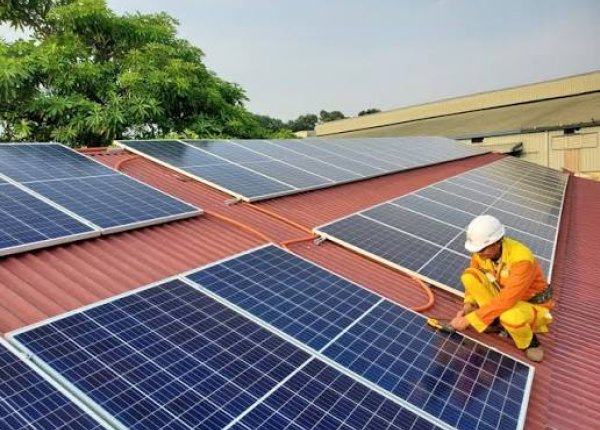
Homeowners and businesses often start with high-quality photovoltaic solar panels designed to perform well in island conditions.
Integrating EV Charging Infrastructure
EV chargers connect directly to the solar system, allowing vehicles to charge using solar-generated electricity. These chargers can be installed at homes, workplaces, and commercial properties, making solar charging for electric vehicles convenient and accessible.
Many properties incorporate dedicated electric vehicle charging solutions to ensure compatibility with current and future EV models.
Adding Battery Storage for Flexibility
Battery storage increases system flexibility by storing excess solar energy for evening or overnight charging. This is particularly valuable for drivers who return home after sunset or businesses that operate beyond daylight hours. Solar energy storage also adds resilience during grid outages.
Systems that include PV storage solutions allow solar powered transportation to function reliably regardless of time or grid conditions.
Managing Energy Efficiently
Smart energy management coordinates solar production, battery storage, and grid usage. These systems prioritize solar power when available and supplement with stored or grid energy only when necessary. The result is efficient and predictable vehicle charging without sacrificing convenience.
Together, these components form a complete solar transportation system that fits Hawaii’s energy landscape.
Why Solar Powered Transportation Makes Sense in Hawaii
Hawaii’s climate, geography, and energy costs make solar powered mobility especially practical. Few regions combine such strong solar potential with such high transportation and electricity expenses.
Consistent sunlight supports steady solar production, which directly offsets the cost of driving electric vehicles. Over time, solar powered EV charging reduces monthly energy bills and protects drivers from fuel price volatility.
Solar powered transportation also supports statewide sustainability goals. Reducing emissions from vehicles improves air quality, protects local ecosystems, and moves Hawaii closer to energy independence.
For businesses, solar transportation systems help stabilize operating costs and support sustainability initiatives. For homeowners, they provide a future-ready mobility solution that aligns with renewable energy incentives and long-term savings.
Practical Applications of Solar Powered Transportation
Solar powered transportation is already being used across Hawaii in practical, everyday ways.
Residential EV Charging
Homeowners with electric vehicles often install rooftop solar paired with an EV charger. Charging during the day or using stored energy at night can significantly reduce transportation costs while limiting reliance on grid electricity.
Many households combine solar charging with complementary upgrades like energy-efficient air conditioning to reduce overall electricity demand.
Commercial and Fleet Charging
Businesses with fleets or employee parking areas install solar EV charging stations to reduce fuel expenses and provide reliable charging access. These systems also support corporate sustainability goals and can enhance brand perception.
Proper electrical services ensure charging systems integrate safely and efficiently with existing infrastructure.
Multi-Use and Future-Ready Properties
Hotels, multi-unit residences, and mixed-use developments increasingly integrate shared solar EV charging. When paired with durable roofing solutions, these systems enhance property value while supporting renewable energy transportation.
Across all use cases, solar powered transportation proves flexible, scalable, and well suited to Hawaii’s needs.
Best Practices and Common Mistakes to Avoid
Transitioning to solar powered transportation is straightforward when planned correctly.
Size systems for real driving needs
Accurately estimating vehicle usage ensures solar and storage systems meet demand without unnecessary expense.
Plan charging locations carefully
EV chargers should be installed where vehicles are parked consistently to maximize convenience and solar utilization.
Include storage when possible
Battery storage improves flexibility and reliability, especially for nighttime charging.
Work with local expertise
Hawaii-specific regulations and conditions require experienced installers who understand island environments.
Avoiding undersized systems or poorly placed chargers helps maximize savings and long-term performance.
The Future of Solar Powered Transportation in Hawaii
Solar powered transportation is no longer theoretical. It is already reshaping how Hawaii moves people and goods. As EV adoption increases, solar powered EV charging will become a core part of the state’s energy infrastructure.
Emerging technologies will continue to enhance system intelligence and efficiency. Innovations such as artificial intelligence in solar optimization are already influencing system performance, as discussed in this article on how AI is transforming solar power.
For residents and businesses, integrating solar energy transportation today means long-term savings, cleaner mobility, and greater control over energy costs.
Final Thoughts on Solar Powered Transportation
Solar powered transportation offers Hawaii a smarter way forward. By pairing solar energy with electric vehicles and charging infrastructure, transportation becomes cleaner, more affordable, and more resilient.
Whether you drive one EV or manage a fleet, solar powered mobility reduces dependence on imported fuel and aligns transportation with Hawaii’s renewable future. With the right system design, the sun can power not just your home, but every mile you travel.
Many property owners work with local experts like Alternate Energy Hawaii to design integrated solar and EV charging solutions tailored to island conditions.
Solar Powered Transportation FAQs
Is solar powered transportation practical in Hawaii?
Yes. Hawaii’s sunlight and high energy costs make solar powered transportation especially effective and cost-efficient.
Can EVs charge directly from solar panels?
EVs charge through an inverter and EV charger connected to a solar system. Power can be used immediately or stored in batteries for later use.
Is battery storage required for solar EV charging?
Battery storage is optional but adds flexibility by enabling charging at night or during low-sun periods.
Is solar powered transportation expensive to install?
Upfront costs vary, but incentives and long-term savings often make solar transportation systems cost-effective over time.