What should I expect during a professional solar installation for my home?
Expect a professional solar installation to be a streamlined, multi-step process that transitions your home to clean energy with minimal disruption. The journey begins with a detailed site evaluation and custom engineering to ensure your roof and electrical system are ready.
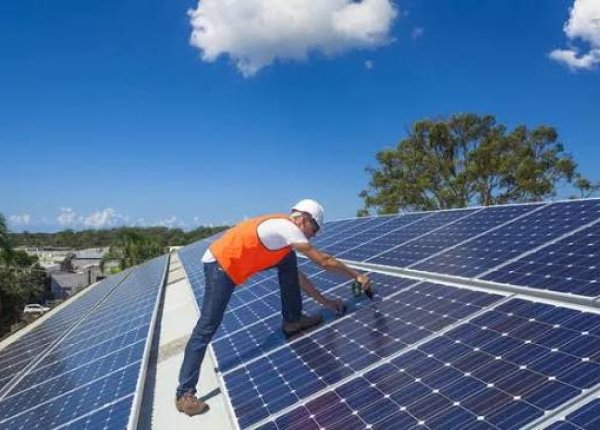
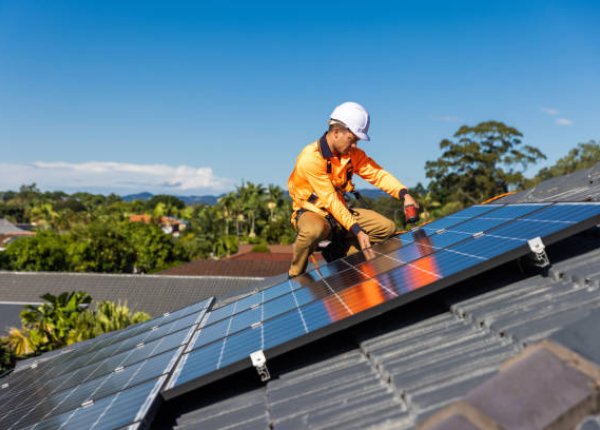
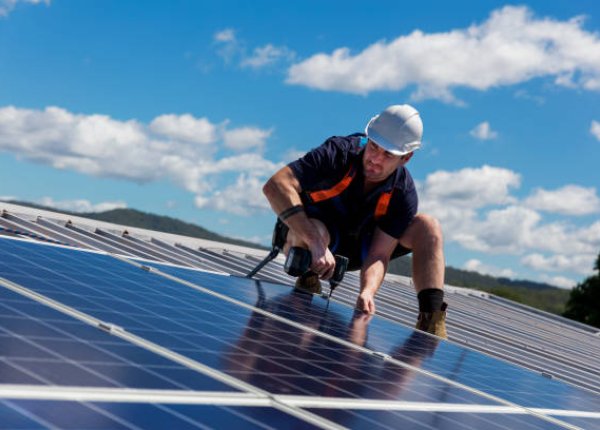
Once permits are secured, the physical installation typically takes only one to three days. During this time, expert technicians will mount racking, secure your photovoltaic solar power system components, and integrate the wiring into your home’s grid. A final city inspection and utility interconnection wrap up the project, leaving you with a fully operational, renewable energy source.
A Closer Look at the Residential Solar Installation Guide
Understanding the mechanics of a professional transition to renewables helps homeowners feel confident in their investment. At its core, photovoltaic solar power definition refers to the conversion of sunlight into electricity using semiconducting materials. When you initiate a solar installation, you aren't just putting glass on a roof; you are integrating a sophisticated power plant into your existing infrastructure.
What Actually Works for Photovoltaic Solar Power
The most successful installations are those that prioritize high-efficiency photovoltaic cells or solar panels and precise site orientation. To maximize energy production:
- AER (Annual Energy Review): Technicians analyze shading from trees or nearby structures that could diminish output.
- Structural Integrity: A professional team ensures your roofing is capable of supporting the weight of the system for 25+ years.
- Optimized Inverters: Whether using micro-inverters or string inverters, the goal is to minimize energy loss during the DC-to-AC conversion.
What Influences the Right Solar Panel Installation Process
No two homes are identical, and several variables dictate the specific home solar installation steps required for your property:
- Energy Consumption Profiles: Your current utility bills determine the number of panels needed to reach "net zero."
- Electrical Capacity: Older homes may require a main service panel upgrade to handle the increased load.
- Future-Proofing: Many homeowners now include PV storage solutions to ensure power is available during grid outages or at night.
Where Most People Get It Wrong with Solar Energy System Installation
The biggest misconception is that the physical mounting of panels is the most difficult part. In reality, the complexities lie in the "soft costs" and technical compliance. Most people underestimate:
- The Permitting Lag: While the physical build is fast, the administrative timeline for city permits and utility interconnection can take weeks.
- DIY Risks: Improperly sealed roof penetrations or incorrect wiring can lead to leaks and fire hazards, emphasizing why a professional, licensed contractor is essential.
- Maintenance Myths: While panels are low-maintenance, they are not "no-maintenance." Occasional cleaning and system monitoring are vital to ensure long-term performance.
What You Need to Know Before Your Solar Installation
Before moving forward with a renewable transition, it is vital to understand the foundational elements that ensure a high-performing system. Clarity on these factors will help you navigate the solar installation timeline and avoid common pitfalls.
- System Sizing and Scaling: Your system should be sized not just for today’s usage, but for future needs, such as adding electric vehicle charging stations.
- The Component Quality: Not all hardware is equal. Understanding the difference between various photovoltaic cells or solar panels is key to determining long-term degradation rates and warranty coverage.
- Roof Condition: Since panels last 25+ years, your roof must be in excellent shape. Professional installers will often inspect and recommend repairs or roofing services before the panels go up.
- Incentives and Financing: From federal tax credits to local rebates, the financial landscape significantly impacts your total ROI. Ensure all paperwork is ready before the physical how solar panels are installed phase begins.
Choosing the Right Option for Your Situation
In Hawaii, the solar installation process is uniquely influenced by our tropical climate and isolated power grid. The right approach for a homeowner in Ewa Beach may differ significantly from one in Manoa due to salt spray, cloud cover, and utility restrictions.
- Coastal Environments: If you live near the ocean, ensure your electrical services include marine-grade, corrosion-resistant mounting hardware to withstand constant salt-air exposure.
- High-Humidity Areas: Homes in wetter regions should prioritize high-efficiency monocrystalline panels that perform better in ambient light and pair them with energy-efficient air conditioning to manage indoor moisture without spiking utility bills.
- Grid Independence Seekers: Given Hawaii's shifting utility export programs, adding PV storage solutions is now the standard for those wanting to avoid peak-hour rates and ensure backup power during storm-related outages.
- Multi-Generational Households: If your energy usage is high, consider integrating solar water heating alongside your PV system to drastically reduce the total load on your photovoltaic solar power array.
How This Works in Real Projects
In practice, a successful solar installation is less about the hardware and more about the integration. When we transition a home to photovoltaic solar power, the process begins with a meticulous energy audit. Professionals don't just look at your current bill; they project your future needs, such as the increased load from energy-efficient air conditioning or a growing family.
Real-world execution typically follows a proven sequence:
- The Design Phase: Using 3D modeling, engineers map out how solar panels are installed to maximize sun exposure while maintaining the aesthetic appeal of your home.
- The Installation Day: A professional crew completes the heavy lifting—securing the racking to your roofing, mounting the panels, and handling the complex electrical synchronization.
- Performance Monitoring: Once live, the most successful projects utilize digital monitoring apps. This allows homeowners to see their photovoltaic cells or solar panels working in real-time, proving the ROI through tangible data.
The observed outcome over time is clear: homeowners who invest in a comprehensive system—often combining PV with PV storage solutions—report the highest satisfaction, as they gain true independence from rising utility rates and grid instability.
Final Thoughts: Making the Right Choice
Understanding what to expect solar panel installation to look like transforms a complex home improvement project into a manageable, rewarding investment. By choosing a professional team that handles everything from the initial site audit to the final utility interconnection, you ensure your transition to renewable energy is seamless and secure.
Whether you are seeking long-term financial savings or looking to integrate high-demand upgrades like solar water heating, the right preparation is key. With a clear grasp of the timeline and technology involved, you can move forward with confidence, knowing your home is equipped for a sustainable future.