Why Certified Journeymen Are Essential for a Lasting Photovoltaic Panels Installation
Why Certified Journeymen Are Essential for a Lasting Photovoltaic Panels Installation
Hiring licensed journeymen electricians for your photovoltaic panels installation is the only way to guarantee your rooftop energy system complies with strict electrical codes and withstands Hawaii's harsh coastal environment.
Relying on uncertified laborers or third-party subcontractors often leads to poor wire management, micro-arcs, and roof leaks that can compromise your home's safety.
For local families making a major investment in their property, a faulty solar panel installation does more than reduce power efficiency—it risks permanent roof damage and voids expensive equipment warranties.
This article will break down the structural and electrical benefits of choosing in-house craftsmanship over cheap subcontracted labor, helping you evaluate your options with confidence.
Understanding these technical standards ensures you make a safe, high-return decision for your home. Let's look at the critical differences in installation quality.
Demystifying Premium Photovoltaic Panels Installation Standards
A professional photovoltaic panels installation is a highly technical construction process that physically secures solar modules to a building's roof and integrates them directly into its central electrical grid.
This process requires precise structural engineering to anchor heavy racking systems into structural rafters, paired with complex electrical wiring to safely route high-voltage direct current (DC) into smart inverters.
When executed properly, this clean energy setup works seamlessly with your existing electrical infrastructure to supply reliable, low-cost power to your entire household.
For local property owners, the quality of this physical setup directly dictates your home's safety and long-term utility savings. Cutting corners with a cheap, uncertified installer exposes your roof to severe water intrusion during heavy tropical downpours and increases the risk of dangerous electrical fires from poorly managed wiring.
Investing in a certified photovoltaic solar system setup guarantees that every single roof penetration, conduit run, and battery terminal connection meets rigid national safety standards.
When your system is built to last, you can confidently integrate advanced upgrades like high-capacity PV and battery storage solutions without worrying about system faults or grid compliance issues.
Prioritizing certified, in-house craftsmanship provides distinct practical advantages for your estate:
- Complete Fire and Surge Protection: Properly balanced electrical circuits prevent voltage overloads, keeping your family and sensitive modern appliances perfectly safe.
- Leak-Free Structural Integrity: Utilizing premium, marine-grade flashing and heavy-duty sealants keeps your roof deck dry and structural rafters completely rot-free.
- Uncompromised Factory Warranties: Manufacturers routinely reject expensive equipment claims if they discover the initial hardware was mounted by uncertified laborers.
A dangerous misconception among local homeowners is that all solar firms maintain identical labor standards. Many volume-driven operations use third-party subcontractors to speed up a basic home solar system installation, leading to messy wiring and loose racking. Securing real piece of mind requires understanding the strict technical protocols that expert journeymen bring to your rooftop.
Why Licensed Journeymen Dominate the Technical Execution of Solar Infrastructure
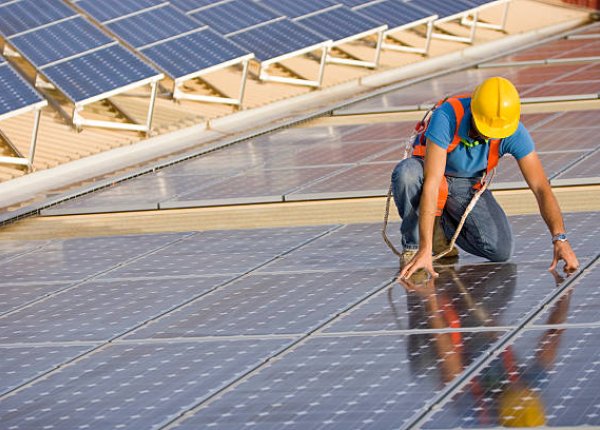
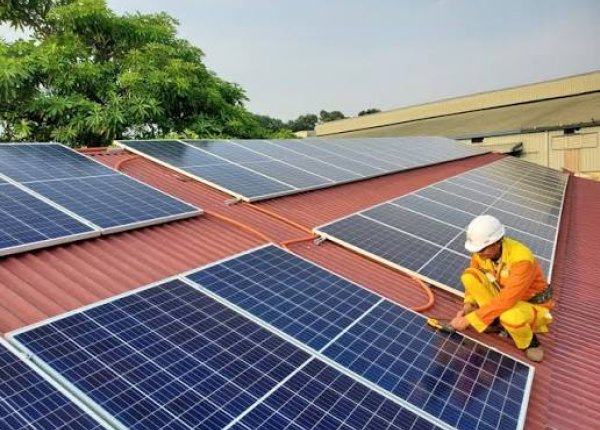
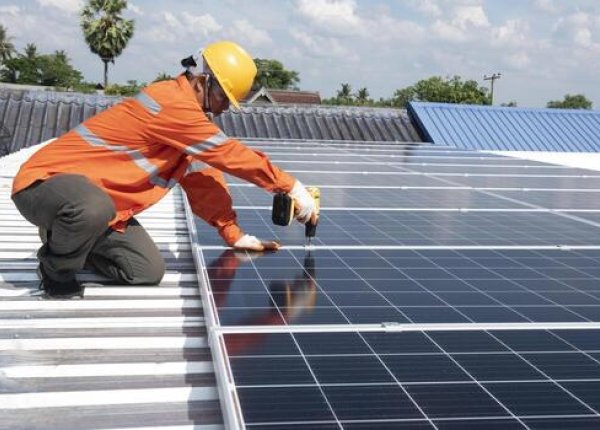
Entrusting your property to an in-house team of licensed journeymen electricians ensures that your photovoltaic panels installation functions safely and efficiently for decades. These highly trained professionals must log over 8,000 hours of heavily supervised electrical field experience and pass rigid state exams before they can touch your roof.
This intense real-world conditioning ensures that your complex photovoltaic solar system operates in complete harmony with your household’s structural and electrical systems.
- Verify Rafter Alignment and Structural Load Capacities: An expert journeyman begins by manually locating and mapping your roof's internal rafters instead of guessing from the outside.
They ensure that heavy-duty mounting lag screws bite perfectly into the center of solid wood beams, keeping your heavy glass array completely stable during intense tropical windstorms.
- Install Dual-Layer Waterproof Flashing Assemblies: To protect your property from long-term water intrusion, technicians integrate specialized metal flashing plates underneath your primary shingles.
They seal these structural penetrations using high-grade, UV-resistant polyurethane compounds to guarantee a fully leak-proof barrier through decades of heavy rain.
- Configure Balanced High-Voltage Conduit and Array Layouts: Next, the technical team mounts the sub-frames and precisely routes heavy-gauge electrical wires inside protective, weather-tight aluminum conduits.
This phase requires advanced electrical math to split your generation capacity evenly across dedicated circuits, preventing power overloads and keeping the hardware operating smoothly.
- Wire Safety Disconnects and Advanced Inverter Networks: The journeyman then handles the core electrical integration inside your main service panel. They wire specialized rapid-shutdown devices and safety switches, protecting your household from dangerous electrical surges.
This clean, code-compliant infrastructure makes it simple to integrate future energy additions like high-capacity EV charging infrastructure without completely rewiring your home.
- Execute Precision Diagnostic Testing and Utility Grid Sync: Before turning on your clean power system, the licensed technician runs comprehensive tests to check grounding safety, thermal resistance, and operational voltages. They meticulously document these safety readings to help you secure swift interconnection approval from Hawaiian Electric and clear your building permits without delays.
The Risk of Subcontracted Labor: Many high-volume solar sales firms quietly outsource their field labor to third-party general laborers to cut costs. These workers often lack advanced electrical training, leading to sloppy wire management, sagging conduits, and unsealed roof penetrations that can ruin your roof over time.
Choosing a certified team means you gain an elite group of professionals who understand how to properly balance high-voltage electrical currents while protecting your property. This direct craftsmanship ensures that your premium residential solar panel installation functions at its absolute peak efficiency, allowing you to maximize your long-term energy savings. If your home has an older roof that requires structural attention before mounting your array, you can also utilize specialized solar-integrated roofing assessments to complete both upgrades under a single, accountable provider.
Proving the Value: Real-World Impacts of Qualified System Craftsmanship
Reviewing the strict training and technical steps required for a safe deployment highlights why professional execution matters, but seeing how a certified photovoltaic panels installation performs under real island conditions proves its ultimate value. Homeowners across Oahu regularly benefit from choosing experienced electrical journeymen over uncertified workforce alternatives.
- The Ewa Beach Salt-Air Protection: A coastal property owner in Ewa Beach noticed their neighbor’s hardware showing severe corrosion and wire sagging after less than two years. To protect their own investment, they hired an in-house team to manage their residential solar panel installation, ensuring all exposed hardware utilized premium marine-grade components and weatherproof seals.
The outcome was a structurally sound array that successfully withstood localized salt-mist exposure and passed city building inspections on the very first try.
- The Pearl City Heavy Cooling Upgrade: A multi-generational family in Pearl City needed a comprehensive solar pv installation to handle the heavy energy loads of a multi-room energy-efficient air conditioning system upgrade.
Rather than relying on subcontractors, they chose certified journeymen who balanced the high-voltage circuits directly inside their main breaker panel. This technical precision prevented voltage drops and safety hazards, allowing them to cool their home entirely on free sunshine.
These real cases prove that investing in certified professionals protects your household from expensive structural and code violations. You can secure these exact same high-efficiency results for your own estate by keeping craftsmanship at the center of your energy decisions.
Actionable Strategies to Maximize Your Solar Generation Investment
Knowing why certified labor is essential helps you avoid fly-by-night sales crews, but applying these professional vetting strategies ensures your upcoming photovoltaic panels installation delivers maximum performance. Integrating these field-tested best practices into your evaluation process prevents costly structural delays and ensures your home grid remains perfectly code-compliant.
- Demand Written Verification of In-House Credentials. Never assume a sales representative is sending their own employees to your roof. Explicitly ask for written confirmation that your solar panels installation will be completed by full-time, licensed journeymen electricians rather than outsourced third-party laborers. This simple check protects your property from sloppy wiring and unsealed penetrations.
- Coordinate Main Panel Updates with Grid Connectivity. A high-performance solar system installation requires a robust, modern electrical panel to feed clean energy back into your home safely. If your property features an aging or crowded breaker box, have your technical team provide specialized electrical services to expand your infrastructure before the panels go up.
- Confirm Wind-Load and Marine-Grade Hardware Specs. Hawaii's coastal salt-air and high winds will quickly corrode cheap mounting brackets. Verify that your team utilizes premium, heavy-duty stainless steel fasteners and anodized aluminum racking that are rated for localized tropical storms. Investing in premium hardware prevents premature material oxidation and protects your underlying shingles.
- Verify Long-Term Structural Roof and Flashing Warranties. Ensure your contractor provides a comprehensive labor warranty that covers every single roof penetration for at least ten years. If your panels are mounted poorly by uncertified crews, manufacturers will routinely void your hardware coverage. Professional execution safeguards these multi-decade corporate protection policies.
Utilizing these straightforward vetting habits protects your household from major structural liabilities while guaranteeing that your photovoltaic panels installation operates safely and efficiently for decades.
Secure Your Property with Elite Energy Engineering
Choosing an all-in-house crew of licensed journeymen for your photovoltaic panels installation is the single best decision you can make to protect your home's roof and optimize its electrical safety. You now understand how certified craftsmanship prevents hazardous wire faults, eliminates structural water leaks, and fully protects your top-tier equipment warranties under Hawaii's strict building codes.
Taking control of your property's power needs today shields your family from volatile utility hikes while ensuring your clean energy setup remains rock-solid for decades. Building your residential microgrid with local, trusted experts provides complete peace of mind and guarantees high-efficiency financial returns.
Ready to maximize your energy independence and finalize your customized photovoltaic panels installation plan with a team backed by over 30 years of island expertise? Take the next step toward a lower electricity bill and schedule your comprehensive on-site engineering design by visiting the Alternate Energy Hawaii photovoltaic solar system platform today.
Frequently Asked Questions About Professional Solar Engineering
Is a special electrical license required for photovoltaic panels installation on Oahu?
Yes, Hawaii state law dictates that a photovoltaic panel installation must be executed or directly supervised by a licensed journeyman electrician holding a valid C-13 electrical classification.
General contractors or uncertified laborers do not possess the legal credentials to tie high-voltage generation assets into the utility grid. Restricting your project to certified personnel satisfies county building codes and protects your home from fine exposure.
How does a professional solar panel installation impact my roof's factory warranty?
A professional solar panel installation preserves your structural roof warranty because certified technicians utilize code-approved flashing kits and rafters-centered anchoring mechanics.
Conversely, uncertified crews often cause minor structural leaks that void your protective material coverage entirely. If your roof is aging, utilizing an integrated provider that handles certified roofing upgrades alongside your solar setup ensures a single, fully warranted point of accountability.
What are the main electrical hazards of a poorly handled solar system installation?
An amateur solar panels installation drastically increases the risk of high-voltage direct current (DC) arc faults, which can lead to catastrophic house fires. When wires are dragged across raw metal racking without proper insulation or weatherproofing, the protective coatings erode rapidly under intense tropical heat.
Licensed journeymen prevent this degradation by utilizing rigid aluminum conduits and verifying all grounding paths with precision digital diagnostic meters.