Wind vs Solar: Which Renewable Energy Is Best for Hawaii?
Comparing Wind vs Solar for Hawaii Homes and Businesses
Hawaii has some of the highest electricity costs in the United States. At the same time, the islands are rich in renewable resources, abundant sunshine and steady trade winds. This makes the wind vs solar debate especially important for homeowners and business owners looking to lower utility bills and increase energy independence.
Both renewable sources provide clean alternatives to fossil fuels. However, Hawaii’s climate, geography, permitting rules, and installation considerations make the comparison more nuanced than it appears at first glance.
When evaluating wind vs solar power in Hawaii, key considerations include:
- Energy production consistency
- Installation and maintenance costs
- Space requirements
- Local zoning and permitting
- Battery storage compatibility
- Long-term return on investment
Understanding how solar power vs wind power performs in Hawaii’s environment will help you make a confident, cost-effective decision.
Wind vs Solar Power Comparison: Key Differences
To properly compare wind energy vs solar energy, we need to examine performance, practicality, and long-term value.
Energy Availability and Reliability
Purpose: Evaluate how consistently each system produces electricity.
Hawaii benefits from steady trade winds, particularly in certain coastal and elevated areas. However, wind speeds vary significantly depending on island location and surrounding terrain.
Solar energy, by contrast, is highly reliable statewide. The islands receive consistent sunshine throughout the year, which makes energy output more predictable.
In a solar vs wind energy comparison, solar typically provides more stable daily production for residential properties. Wind systems may perform well in specific high-wind rural areas but are less predictable in suburban neighborhoods.
For most homeowners evaluating which is better solar or wind energy, consistency often favors solar.
Installation Complexity and Infrastructure
Purpose: Compare structural and equipment requirements.
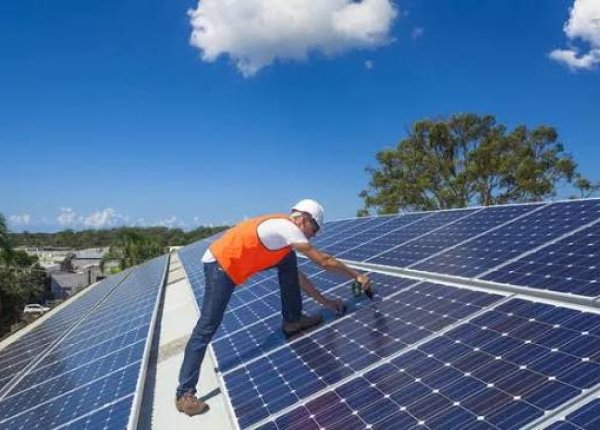
When looking at solar panels vs wind turbines, installation demands differ significantly.
Solar systems typically include:
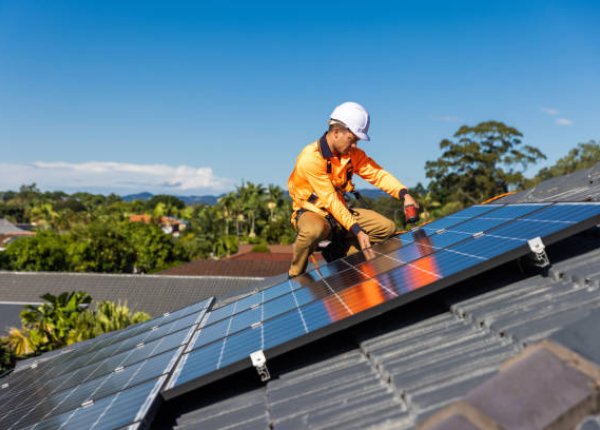
- Roof-mounted or ground-mounted photovoltaic panels
- Inverters
- Optional battery storage
Learn more about photovoltaic systems here: Photovoltaic Solutions
Wind systems require:
- A tower structure
- Turbine blades
- Anchored foundation
- Adequate clearance from obstacles
Because turbines must sit high enough to capture steady airflow, they often require more structural planning and permitting.
For residential installations, wind turbine vs solar panel comparisons often favor solar due to lower structural complexity and easier permitting.
Maintenance and Durability
Purpose: Assess long-term upkeep requirements.
Solar panels have no moving parts. Maintenance typically involves:
- Occasional cleaning
- Periodic inverter inspection
- Monitoring system performance
Wind turbines contain moving mechanical components that may require:
- Bearing inspections
- Blade maintenance
- Mechanical servicing
In Hawaii’s coastal climate, salt air can accelerate wear on moving parts.
In the wind vs solar energy maintenance comparison, solar generally requires less ongoing attention, especially for homeowners.
Space and Zoning Regulations
Purpose: Determine site feasibility.
Wind turbines require:
- Clear airflow
- Height clearance
- Sufficient open land
- Zoning approval
Many residential communities across Hawaii limit or prohibit small wind turbine installations.
Solar panels, on the other hand, can be mounted directly on rooftops or installed in compact ground arrays.
In most suburban areas, wind vs solar for home feasibility leans strongly toward solar due to fewer zoning barriers.
For homeowners planning broader upgrades, integrating solar with roofing solutions can streamline installation: Roofing Services
Energy Storage and Grid Integration
Purpose: Evaluate compatibility with battery systems.
Battery storage plays a major role in Hawaii’s renewable energy adoption. Solar systems integrate seamlessly with battery storage solutions, allowing homeowners to:
- Store excess daytime energy
- Reduce reliance on the grid
- Maintain power during outages
Explore storage options here: PV Storage Solutions
While wind systems can also connect to storage, solar is more commonly paired with residential battery technology.
In a wind power vs solar power comparison, solar currently offers more streamlined integration for home storage systems.
Real-World Wind vs Solar Scenarios in Hawaii
Understanding solar vs wind energy becomes clearer when applied to real-world property types.
Residential Rooftop Installation
A homeowner in Honolulu installs rooftop solar panels paired with battery storage. The system offsets high electricity rates and provides reliable daytime production.
Solar’s compact design and predictable output make it ideal for residential neighborhoods.
Rural Property with Open Land
A landowner in a high-wind rural area considers a small turbine. After evaluating maintenance and permitting requirements, they install a hybrid system combining wind and solar.
Hybrid systems can offer diversified production, but they require careful site analysis.
Commercial Property Installation
A commercial facility with substantial roof space installs a large solar array to maximize energy offset and long-term savings.
For businesses exploring broader energy upgrades, electrical and infrastructure support may be required: Electrical Services
Solar arrays often provide stronger ROI for commercial applications due to stable output and easier scaling.
Cost Considerations: Wind vs Solar
When comparing solar power vs wind power, upfront and long-term costs matter.
Installation Costs
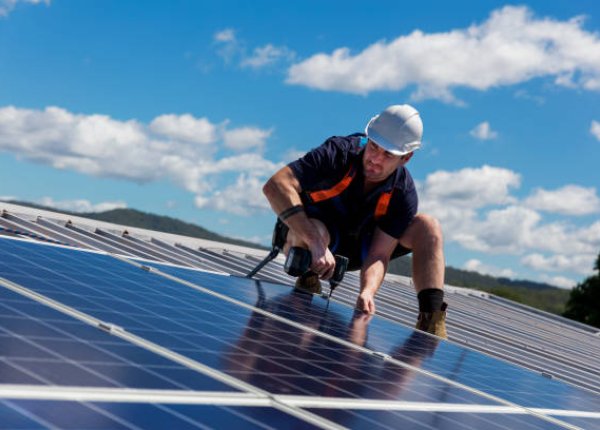
Solar installations typically involve:
- Panel and inverter equipment
- Mounting hardware
- Optional storage
Wind systems may require:
- Structural tower construction
- Concrete foundations
- Specialized permitting
For residential projects, solar generally has lower installation complexity and fewer structural expenses.
Long-Term ROI
Solar systems often provide:
- Predictable production
- Minimal maintenance
- 20 to 25 year lifespan
Wind systems can be effective in strong wind zones but may require higher maintenance over time.
For most homeowners asking which is better solar or wind energy, solar delivers more consistent financial returns.
Integrating Renewable Energy with Whole-Home Efficiency
Renewable energy performs best when paired with efficiency upgrades.
In Hawaii, homeowners often combine solar systems with:
- Energy-efficient cooling systems
- Solar water heating
- Electric vehicle charging
Explore related solutions:
By reducing overall consumption, you maximize the benefits of your renewable investment.
Wind vs Solar for Home: Which Is Best?
For most Hawaii homeowners, solar offers:
- Consistent year-round production
- Easier permitting
- Lower structural complexity
- Minimal maintenance
- Strong compatibility with battery storage
Wind systems may be suitable for large rural properties with strong, steady wind resources and fewer zoning restrictions.
However, in most residential neighborhoods, solar remains the more practical and scalable option.
Frequently Asked Questions About Wind vs Solar
Is wind or solar better for Hawaii homes?
For most residential properties, solar is more practical due to consistent sunlight and easier installation.
Does wind energy work well in Hawaii?
Wind energy can be effective in high-wind rural areas but may face zoning and space limitations in suburban neighborhoods.
Which is cheaper, wind vs solar?
Solar typically has lower installation and maintenance costs for homeowners.
Can wind and solar be combined?
Yes. Hybrid systems combining solar panels vs wind turbines can diversify energy production when site conditions allow.
Which renewable system requires less maintenance?
Solar systems generally require less maintenance because they have fewer moving components.
Final Thoughts on Wind vs Solar in Hawaii
The wind vs solar decision depends on property type, location, zoning rules, and long-term goals.
In Hawaii’s climate, solar often provides the most reliable, cost-effective solution for residential properties. Wind energy may be viable in select rural areas with strong trade winds and open land.
When evaluating wind energy vs solar energy, the most important step is a professional site assessment that considers sun exposure, wind patterns, structural feasibility, and long-term savings potential.
For many Hawaii homes and businesses, solar offers a straightforward path to lower energy bills, improved sustainability, and greater independence from rising utility rates.