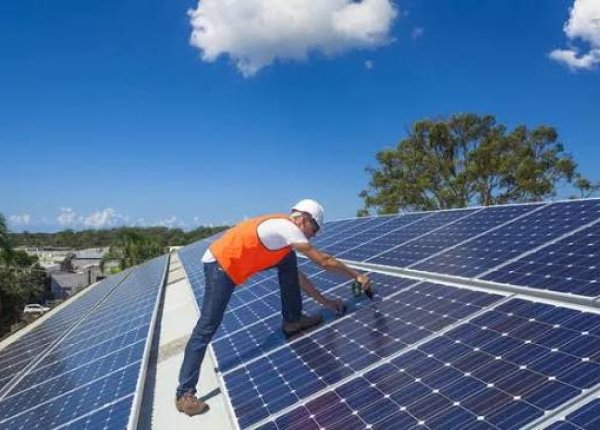
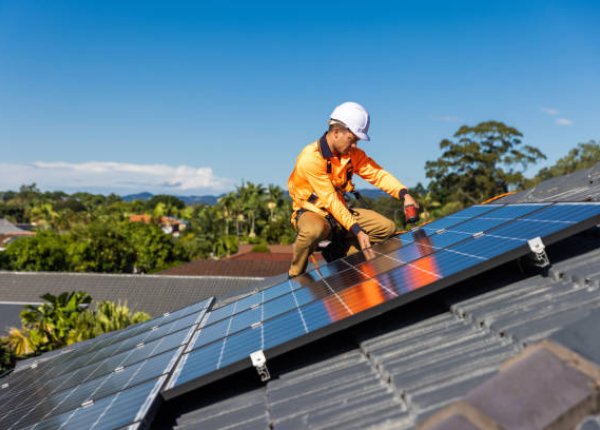
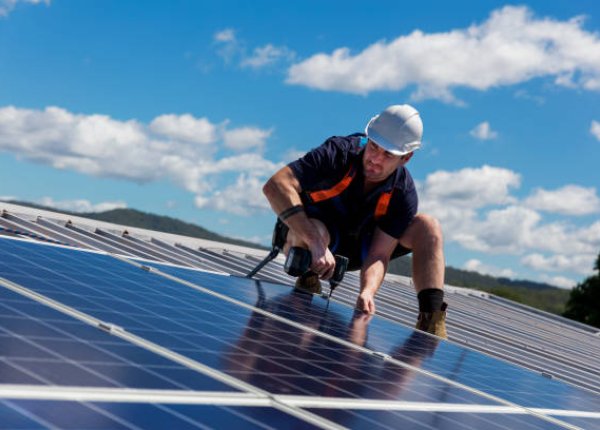
The 2026 Guide to a Peak-Performance Home Solar Panel System
The 2026 Guide to a Peak-Performance Home Solar Panel System
With Oahu's electric rates climbing to record highs in 2026, investing in a high-efficiency home solar panel system is the single most effective way to eliminate surging utility bills and secure reliable power for your family. By combining a premium, island-tested solar array with intelligent energy storage, an optimized solar panel system for home use shields your property from unexpected grid outages while providing non-stop, clean energy.
For local property owners, managing extreme household energy demands without an independent solar power system for home setups means remaining completely exposed to volatile utility rate spikes and continuous coastal blackouts. This comprehensive guide breaks down the latest 2026 local tax adjustments and advanced utility integrations so you can transition seamlessly to modern energy independence. You will understand how to maximize your long-term financial returns and build a climate-resilient property.
Let's dive into the core engineering elements that make these systems successful.
The Power of Autonomy: Why Your Property Needs a Home Solar Panel System
A high-performance home solar panel system is a modern residential power plant made up of interconnected photovoltaic (PV) modules, advanced power inverters, and intelligent monitoring hardware. The system operates by capturing clean daylight and converting it into reliable, alternating current (AC) electricity to run your household's appliances. Far from a simple collection of roof panels, a complete solar panel system for home integration functions as a fully synchronized ecosystem that regulates, optimizes, and directs your domestic energy flow in real time.
For local families and property owners, implementing a comprehensive home solar panel system is the ultimate path toward true utility independence. Oahu currently experiences some of the highest residential electricity rates in the nation, with costs climbing past 42¢ per kilowatt-hour. Relying entirely on a vulnerable public grid means absorbing continuous rate hikes and facing the constant threat of island weather outages. By partnering with our 100% employee-owned team at Alternate Energy Hawaii, you can protect your household from these volatile overhead expenses and convert an unrecoverable monthly utility bill into a long-term property equity investment.
Investing in a premium residential solar configuration delivers immediate, practical advantages:
- Drastic Monthly Overhead Reductions: Safely lowers a volatile monthly power bill down to the utility's minimum standard connection fee.
- Substantial Clean Energy Equity: Increases your property's overall market value while protecting your family from projected multi-year utility rate hikes.
- Harmonized Household Systems: Creates a robust, centralized power foundation capable of smoothly handling high-demand upgrades like energy-efficient ductless split air conditioning or dedicated home vehicle chargers.
A common misconception is assuming that all solar installations behave similarly during an island blackout. In reality, a standard solar array without a backup battery is legally required to shut down during a grid failure to protect utility line workers. To achieve complete emergency resilience and keep your appliances running through major storms, pairing your rooftop modules with a specialized PV + storage solution is absolutely vital.
Financial Optimization: Maximizing Hawaii's 65% Tax Credits and Utility Programs
Transitioning to a home solar panel system involves implementing a highly strategic, high-return investment plan engineered to capture historic financial subsidies. For families operating an energy-intensive household, navigating the specialized regulatory framework of 2026 is the key to minimizing upfront layout costs and dramatically shortening your break-even horizon. By taking advantage of local utility incentives and combined tax structures, you can completely offset the cost to install a top-tier solar panel system for home integration.
Step 1: Claim the 30% Federal Residential Clean Energy Credit
The foundational cornerstone of your solar financial strategy begins at the national level. Under current 2026 federal guidelines, homeowners who purchase a new home solar panel system can claim an un-capped 30% tax credit directly against their federal income liability. This substantial credit applies completely to all necessary hardware, site preparation, and matching photovoltaic panel structural assembly. It is important to note that if your total federal tax credit exceeds your single-year tax liability, the remaining financial balance safely rolls forward into the subsequent tax year.
Step 2: Apply Hawaii's 35% State Renewable Energy Tax Credit
Hawaii provides one of the most aggressive green energy subsidies in the United States, offering an additional 35% Renewable Energy Technologies Income Tax Credit. This localized state tax reduction pairs perfectly with the federal credit, combining to wipe away up to 65% of your total residential capital investment. The state credit features a maximum cap of site-specific per distinct multi-kilowatt string or panel system segment. Our seasoned in-house specialists carefully engineer your rooftop layout to separate matching inverter arrays, allowing you to maximize this state tax credit within full compliance of local revenue codes.
Step 3: Enroll in the HECO BYOD Plus Incentive Program
To turn your property's backup energy storage into an active financial asset, you can enroll your newly installed battery backup directly into Hawaiian Electric’s updated Bring Your Own Device Plus (BYOD Plus) program. This utility framework awards an upfront cash incentive starting at site-specific per kilowatt of committed battery capacity, which can climb up to site-specific per kilowatt for qualifying low-and-moderate-income (LMI) households. By committing to share a small portion of your stored daytime energy during a flexible daily two-hour grid window, you receive a direct cash check after enrollment alongside continuous monthly retail-rate utility bill credits.
Step 4: Secure Long-Term Power Equity and Eradicate Volatile Utility Bills
Once your tax incentives are processed and your smart storage battery is actively synchronized with the local grid, your household transitions into a state of long-term economic protection. Instead of paying hundreds of dollars each month to a volatile utility grid, your high-performance home system safely drops your ongoing electrical overhead down to the minimum standard site-specific utility connection fee. This clean energy equity shields your monthly budget from future rate inflation while ensuring that high-load additions, like multi-room energy-efficient air conditioning upgrades, run entirely on free solar power generated right above your head.
Real-World Impact: Island Families Achieving Clean Energy Freedom
Transitioning to a modern home solar panel system shifts your household from an expensive dependency on an aging public utility to complete economic self-reliance. Examining how local Oahu property owners utilize a synchronized solar panel system for home integration proves that empirical engineering delivers reliable, everyday financial security.
- The Multi-Generational Household in Nuuanu: The Lee family wanted to eliminate their massive monthly overhead by generating independent electricity straight from the sun rather than the electric company. Our licensed journeymen engineered a custom 30-panel rooftop array tied to smart storage, instantly dropping their traditional site-specificonthly utility payment down to the minimum site-specific connection fee. This immediate reduction provided the family with long-term financial stability and protected their multi-generational home from unpredictable tropical grid failures.
- The High-Demand Air Conditioning Upgrade in Ewa Beach: The Antonio family relied on constant cooling to manage health conditions but faced soaring costs from running their old central cooling units. By retrofitting their property with a high-efficiency solar water heating system and an advanced photovoltaic layout, they successfully targeted their home's largest energy consumers simultaneously. This comprehensive upgrade lowered their electricity bill to the bare minimum, granting them full freedom to run their multi-room cooling systems day and night without penalty.
- The Coastal Resilience Transformation in Waialua: A property owner needed to modernize an aging coastal residence to withstand severe ocean winds while charging a new electric vehicle. The resulting structural upgrade combined high-efficiency modules with smart inverters to handle high-demand vehicle loads without grid assistance.
These true-to-life installations show that investing in an integrated power ecosystem delivers immediate protection for your family. By matching premium hardware to your household's specific utility demands, you can comfortably secure your own energy future anywhere on Oahu.
Actionable Tips for Maximizing Your Home Solar Investment
Moving beyond basic configuration means finding ways to aggressively shorten your payback period and squeeze every kilowatt of value out of your setup. Implementing advanced operations is the definitive bridge between merely generating clean power and actively managing an optimized distributed energy network.
- Align High-Draw Appliance Schedules with Peak Production Windows: Instead of running heavy loads like laundry or pool pumps in the evening, automate your smart appliances to run between 10:00 AM and 2:00 PM. Directly utilizing your generated power eliminates the efficiency losses that come with converting and pulling energy back out of your local hardware later in the day.
- Enroll in Local Utility Dispatch Programs to Compound Savings: Modern energy frameworks allow you to capture substantial financial returns by helping stabilize the community grid. For instance, pairing a residential battery with Hawaiian Electric’s Bring Your Own Device Plus (BYOD Plus) program unlocks an upfront cash incentive of site-specific per kW committed alongside ongoing monthly bill credits.
Malama Solar - Audit and Log Daily Charging Efficiency Metrics: Check your system monitoring software weekly to confirm your home solar storage profiles align with seasonal shifts in sunlight. For comprehensive multi-point setups, tracking these metrics ensures you are capturing maximum raw generation during peak summer months without triggering over-voltage curtailment from your inverters.
- Optimize Your Battery Storage State-of-Charge (SoC) Thresholds: Configure your backup reserves based on active weather threats rather than static values. Keeping your baseline reserve at 20% maximizes your daily self-consumption capacity, but you should manually boost this threshold to 100% when localized storm alerts threaten grid infrastructure stability.
Reviewing these operational nuances ensures your equipment operates at peak financial efficiency while providing dependable island resilience.
Secure Your 2026 Installation Slot: Build Your Island-Tested Solar Ecosystem
Successfully navigating Hawaii's evolving 2026 utility programs requires transitioning away from generic, outsourced setups and moving toward customized energy systems engineered explicitly for our local environment. By understanding exactly how tax credits, smart battery banks, and household load variables interact, you gain the clarity needed to take control of your property's utility expenses. Implementing an expertly calibrated home solar panel system ensures your household captures maximum financial incentives while maintaining absolute power security through any weather event.
Taking action right now secures your property against continuous rate inflation and ensures your high-capacity array is built to last for decades. Avoid the vulnerability of relying on volatile public infrastructure and start building long-term equity directly into your rooftop.
Take the definitive step toward clean energy self-reliance and lifelong utility savings by exploring our custom engineered photovoltaic infrastructure packages to request your comprehensive, in-house technical consultation today.
Frequently Asked Questions: Optimizing Your Home Solar Power Setup
What happens to my home solar panel system during an island blackout?
Your home solar panel system will automatically shut down during a grid failure unless it is paired with dedicated energy storage. This standard safety mechanism prevents electricity from back-feeding into damaged utility wires and endangering local repair crews. To keep your essential home appliances running seamlessly during tropical storms, you must integrate an smart PV + storage solution that securely isolates your domestic power loop from the public grid.
How do I check if my roof is ready for a new residential solar layout?
You should have an experienced contractor evaluate your roofing materials and overall structural integrity before setting up new solar hardware. Photovoltaic modules are designed to generate power for over 25 years, meaning your underlying shingles or metal sheets must be in excellent condition to avoid expensive uninstallation costs for separate repairs down the line. Our in-house teams handle structural assessments directly to ensure everything remains perfectly watertight.
Can a solar panel system for home use completely eliminate my electric bill?
No, a solar panel system for home integration cannot fully eliminate your monthly utility statement due to mandatory utility infrastructure charges. While an optimized solar array coupled with smart battery backup can successfully reduce your household’s actual energy consumption charges down to zero, Hawaiian Electric still applies a mandatory site-specific connection fee each month to keep your residence legally tied into the public power grid.