Beyond PV: How a Home Solar Power System Feeds Your Mitsubishi AC
Beyond PV: How a Home Solar Power System Feeds Your Mitsubishi AC
When summer humidity settles over Oahu, running your cooling infrastructure shouldn't feel like a high-stakes gamble with your household finances. Many local property owners hesitate to switch on their climate units because they fear a crushing, unpredictable monthly electrical statement.
Relying on an unmanaged grid connection to cool your home inevitably forces hard financial compromises, leaving families sweltering in silence just to avoid compounding utility overhead.
By integrating a premium home solar power system, you can cleanly convert abundant tropical sunlight into dedicated, zero-emission electricity to drive your high-efficiency zones.
Setting up an advanced, synchronized power framework means you can confidently operate your home’s environmental controls without expanding your carbon footprint or draining your bank account.
This educational guide demonstrates exactly how a specialized home solar power system bridges the gap between clean energy generation and your interior comfort. Let's explore how balancing your roof production with advanced inverter structures turns brutal tropical heat waves into absolute household comfort.
The Technical Baseline: Unpacking Your Home Clean Energy Infrastructure
To maximize your monthly grid independence, you must first understand exactly what a modern home solar power system does on a structural level. In simple terms, a residential solar installation is a coordinated electrical network that captures raw sunlight and converts it into usable, alternating current (AC) electricity for your home appliances.
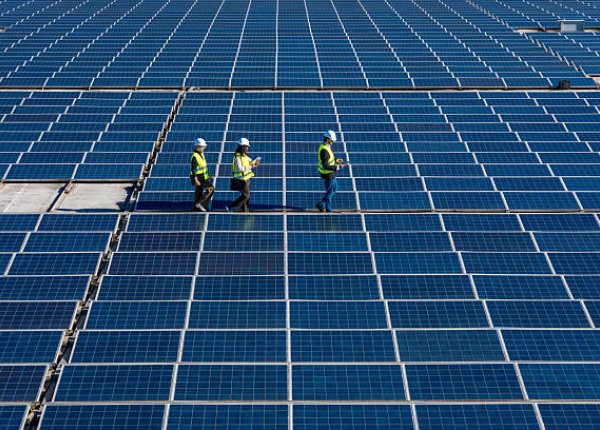
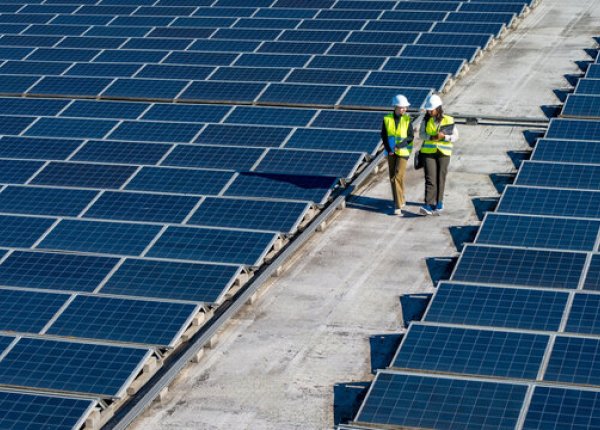
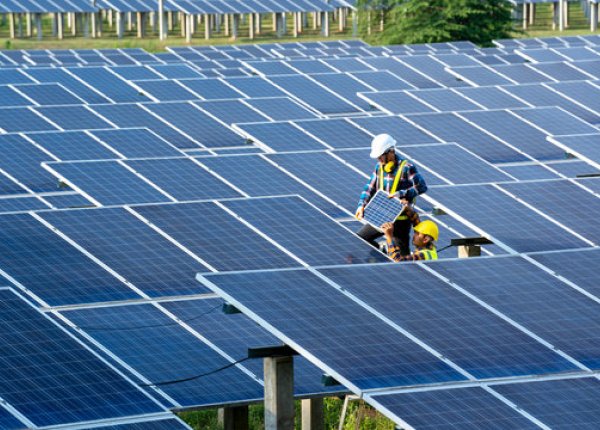
This setup combines heavy-duty monocrystalline solar panels, rapid-shutdown microinverters, safety disconnects, and real-time digital monitoring portals to create a continuous, independent power grid on your roof.
For Hawaii residents, investing in a robust photovoltaic installation provides an essential financial buffer against the state's volatile electrical rates. Instead of continuously buying expensive, oil-generated power from the grid to run heavy home appliances, you are producing your own clean energy directly on-site.
This immediate displacement alters your monthly overhead, allowing families to confidently enjoy their living spaces without worrying about unpredictable utility surcharges.
A common pitfall for local homeowners is relying on a generic national solar power system calculator to plan their infrastructure upgrades. These mainland software models rarely calculate the intense, localized energy demands of tropical environments—especially when pairing production with high-capacity climate control networks.
Mainland formulas frequently overlook our unique salt-air atmospheric conditions, strict county building safety codes, and specialized utility integration parameters.
To prevent systemic under-sizing, you need a precise design strategy that perfectly balances your daytime generation capacity with high-efficiency energy efficient air conditioning zones.
Designing your rooftop system alongside your cooling infrastructure ensures that your equipment matches your actual household usage, protecting your upfront capital and delivering consistent comfort across the warm summer months.
Maximizing Seasonal Returns: The Direct Mechanical Symbiosis
To appreciate why a custom-engineered home solar power system represents the ultimate antidote to punishing utility costs, you must look closely at how production spikes perfectly parallel your home's thermal load. Unlike standard interior appliances that run on a flat, predictable baseline schedule, climate control equipment operates in direct harmony with the sun.
As outdoor temperatures rise throughout the day, your interior spaces absorb ambient heat, prompting your cooling hardware to pull immense amounts of energy from your electrical panel.
By utilizing a high-efficiency energy efficient air conditioning setup, you can capture this exact surge in daily solar radiation and funnel it straight into your cooling architecture.
When the afternoon sun beats down most intensely on your roof tiles, your solar panels are operating at peak generation capacity, producing an abundance of zero-emission electricity. This perfect alignment creates a self-sustaining loop where the very source of your home's thermal stress provides the exact energy needed to neutralize it.
1. Inverter-Driven Compressors vs. Legacy Thermal Spikes
Traditional, single-stage central cooling units operate on a crude binary system: they are either running at 100% full capacity or turned completely off. When these legacy compressors kick on, they create a massive, sudden electrical draw that strains your home's electrical panel.
Conversely, premium Mitsubishi Electric mini-split systems feature smart, inverter-driven compressors that automatically adjust their operating speed to match changing room conditions. Rather than continually cycling on and off, they operate at a low, continuous frequency, consuming up to 40% less energy than standard central systems.
2. Multi-Zone Precision Control
Standard central ducted setups force you to cool your entire property uniformly, wasting immense amounts of power on unoccupied guest rooms or empty living spaces. Incorporating a ductless multi-zone framework allows you to partition your home into distinct, independently managed thermal zones.
By adjusting temperatures only in active spaces, you compress your overall daily kilowatt-hour demand. This strategic conservation makes it much easier for a compact home solar power system to completely offset your total household utility footprint.
3. Eliminating Ductwork Energy Bleed
Traditional ducted distribution networks are notorious for invisible energy losses, frequently losing up to 30% of their total cooling capacity through structural gaps, loose seams, and uninsulated attic spaces. Moving away from bulky hidden ducts and deploying a sleek, ductless wall unit ensures that every bit of conditioned air enters your living space immediately.
This direct delivery maximizes your thermal output, allowing you to maximize the value of your photovoltaic installation and run your cooling zones guilt-free all day long.
4. Advanced Lithium Storage Management
While your panels easily handle daytime cooling needs, tropical humidity often lingers long after sunset, forcing you to draw power through the evening. Using an accurate solar power calculator ensures your final equipment blueprint includes high-capacity smart battery backup infrastructure.
Integrating top-tier PV storage solutions allows you to store excess daytime generation, power your mini-splits efficiently through peak evening rate windows, and securely lock in your path to a predictable site-specific utility connection fee.
Real-World Applications: Bridging Grid Independence and Climate Control
Transitioning from foundational system mechanics to active everyday deployment shows how a balanced home solar power system changes your property's overhead profile. By directly linking rooftop photovoltaic energy with multi-zone cooling equipment, families can easily turn peak sunny hours into a massive financial asset.
- Eradicating Midday Utility Anxiety in Kapolei: A young family occupying a modern, unshaded property in Kapolei watched their monthly utility liabilities balloon due to running their localized mini-split units during weekend heat waves.
Seeking a reliable solution, they used a detailed solar electric system calculator to confidently budget a tailored rooftop array matched precisely to their daytime climate load.
By capitalizing on Hawaii's combined 65% clean energy tax write-offs, they dropped their out-of-pocket structural setup expenses significantly, allowing them to cool their main living zones completely free using direct daytime sunlight.
- Maintaining Seamless Operational Continuity in Mililani: An experienced property owner in Central Oahu wanted to ensure their multi-zone mini-splits stayed running through routine seasonal grid interruptions while stabilizing long-term electrical services costs.
The family upgraded their property with an optimized generation system backed by premium, smart lithium storage architecture. This strategic setup completely isolated their heavy inverter compressors from public infrastructure disruptions, keeping their entire house cool and safe through extended regional grid blackouts.
These successful residential turnarounds confirm that synchronizing your architectural clean energy assets with high-efficiency consumption zones creates a predictable, self-sustaining financial framework. Local property owners can easily duplicate these identical utility-slashing results by coordinating a detailed structural assessment built specifically for their community's unique environmental layout.
Strategic Optimization: Maximizing Your Climate Control Blueprint
Moving beyond simple component sizing and successfully deploying your layout requires a thorough review of your actual property layout. Incorporating these proven operational strategies allows you to optimize your net home solar power system, ensuring your hardware remains highly efficient under constant coastal exposure.
- Verify True Production Caps via a Sizing Solar System Calculator: Never depend on standard mainland equations to gauge your property's daily thermal demands.
Utilizing a specialized sizing solar system calculator tailored for Oahu allows you to properly gauge the intense electrical requirements of multi-zone climate equipment. This precision planning ensures your roof generates sufficient daytime energy to satisfy your compressors without drawing from the grid.
- Audit Underlying Underlayment Structural Integrity Early: Before anchoring advanced monocrystalline arrays over your living areas, ensure your roofing materials possess at least twenty-five years of residual structural life.
Scheduling a comprehensive roofing inspection allows you to repair worn shingle boundaries prior to equipment placement. Taking care of this preventative step early prevents you from paying expensive detachment fees just to execute standard roof repairs later.
- Shift Heavy Thermal Demands into Peak Sunlight Windows: Program your smart multi-zone climate zones to pre-cool your living spaces during peak production hours, typically between ten in the morning and two in the afternoon.
This operational strategy utilizes your home solar power system to cool structural thermal mass using free daytime electricity. This strategic adjustment drastically reduces your storage battery depletion after sunset, preserving your backup power for essential night electronics.
Applying these field-tested configuration adjustments protects your hard-earned capital, improves your operational efficiency, and ensures your home remains perfectly cool throughout the year.
Securing Long-Term Independence: Modeling Your Property's Energy Potential
Balancing high-efficiency cooling machinery with a custom-engineered rooftop configuration provides the ultimate shield against Hawaii's unpredictable utility landscape. Homeowners no longer need to restrict their indoor comfort or struggle with volatile summer rate hikes once they see how seamlessly photovoltaic arrays satisfy heavy mechanical loads. Utilizing a reliable solar system calculator removes the guesswork from this transition, mapping out a direct path toward long-term savings.
Taking control of your energy profile now ensures your family enjoys total comfort and absolute grid security, regardless of changing weather patterns. By selecting an optimized, island-tested setup, you can permanently neutralize escalating energy surcharges and convert your monthly overhead into a predictable home equity asset.
Ready to eliminate high utility bills and secure complete energy independence for your Oahu property? Schedule an expert diagnostic consultation with our in-house team of licensed journeymen and explore a custom home solar power system built for your family's exact comfort needs.
Frequently Asked Questions About Solar-Driven AC Systems
Is a home solar power system required to run a multi-zone mini-split?
No, you can operate your climate control zones using traditional grid utility power, but you will remain vulnerable to Hawaii’s high electrical rates. Integrating a premium home solar power system allows you to completely bypass those expensive variable consumption surcharges. Producing your own clean electricity on-site ensures your inverter-driven compressors run smoothly during peak afternoon heat waves without inflating your monthly household overhead.
How does a residential solar system estimator calculate my dynamic cooling load?
An authentic local estimator evaluates your physical property dimensions alongside your historical kilowatt-hour statements to map out your real-world usage patterns. It specifically reviews the unique cooling demands of your home's layout rather than relying on generic mainland formulas. Utilizing a specialized residential solar system estimator ensures your final roof array produces enough zero-emission electricity to cover both your baseline appliances and your multi-zone AC compressors.
Can my home solar power system operate my air conditioning safely overnight?
Yes, provided your clean energy configuration includes high-capacity smart battery backup architecture. While your solar panels seamlessly absorb energy to satisfy your daytime climate demands, a battery setup captures excess afternoon production for overnight use. Storing this clean energy allows you to run your mini-splits comfortably through humid evenings, completely shielding your family from peak utility rate spikes.