Coastal Durability: Professional PV Installation Standards for Hawaii
Coastal Durability: Professional PV Installation Standards for Hawaii
If you are concerned about your solar investment surviving Hawaii’s relentless salt air and tropical winds, choosing a PV installation that prioritizes long-term resilience is not just a preference, it is a necessity. A high-quality pv installation acts as a shield for your home, protecting your roof and electrical integrity against the unique environmental stressors of the islands. Without professional-grade components and precision engineering, even the most advanced systems can succumb to premature corrosion or performance degradation, leaving families with unexpected repair costs rather than the energy independence they were promised. In this guide, we will break down what defines true professional pv installation standards, helping you evaluate whether your current or future setup is truly built to last. You will gain a clear understanding of the hardware, craftsmanship, and local expertise required to maximize the lifespan of your photovoltaic system installation. Let’s explore how to safeguard your energy future.
Engineering Solar Resilience for Hawaii’s Unique Climate
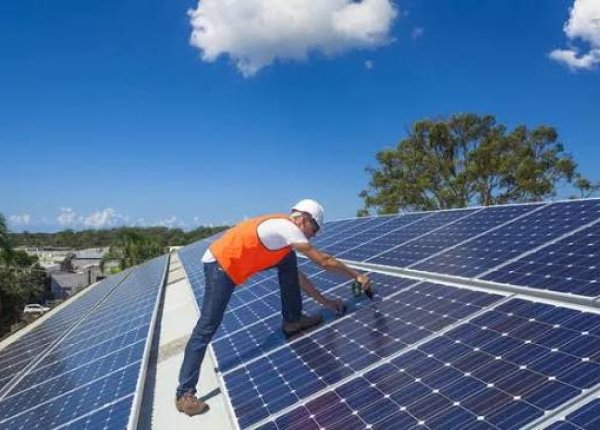
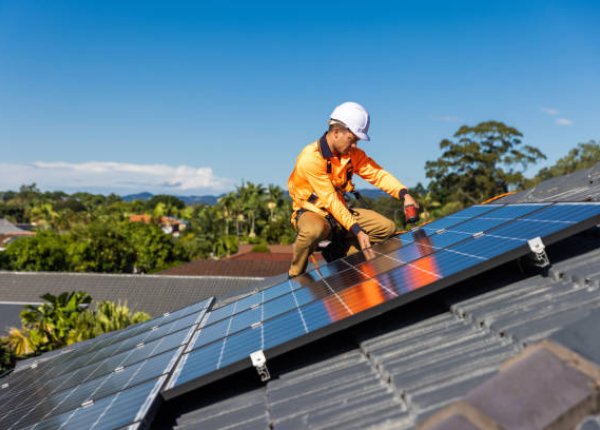
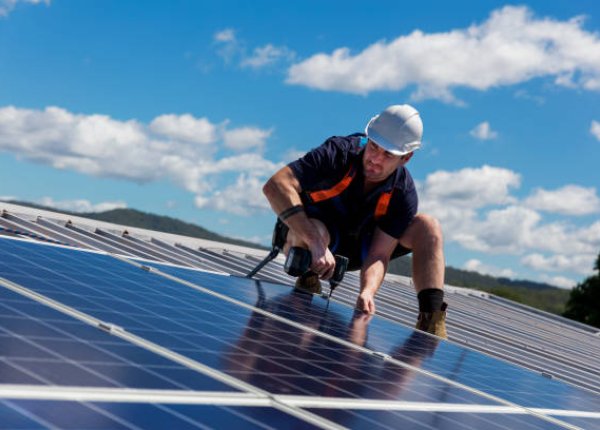
At its core, a pv installation is more than just mounting panels on a rooftop; it is the integration of high-performance hardware designed to convert sunlight into reliable, clean electricity for your home. A professional pv installation requires careful consideration of mounting techniques, wiring standards, and hardware selection specifically engineered to resist the corrosive effects of island salt spray and high-velocity winds. When you choose a comprehensive photovoltaic system, you are investing in a tailored power plant that accounts for the specific orientation of your home and the intensity of the tropical sun.
This matters because Hawaii’s environment is uniquely harsh on electrical components. Standard mainland installation methods often fail to account for the accelerated degradation caused by salt air, which can lead to moisture intrusion and oxidation. For families, the stakes go beyond mere efficiency; poor installation practices can compromise roof structural integrity and pose long-term electrical safety risks. By prioritizing high-standard solar pv installation standards, you ensure your system remains a productive asset rather than a maintenance burden.
Understanding these standards helps you distinguish between a quick, low-cost setup and a high-performance, long-lasting investment. Many homeowners mistakenly believe that all solar hardware is identical, but the true value lies in the installation pv techniques used to seal, secure, and monitor the system. Using premium materials and proven methods, such as those found in our advanced PV storage solutions, is the only way to guarantee that your residential photovoltaic installation delivers consistent performance for decades. Moving beyond the basics, it is essential to recognize that the quality of your installation is ultimately defined by the expertise and precision of the team holding the tools.
Defining Quality: The Hallmarks of Superior Installation
Ensuring the longevity of your energy investment begins with understanding what constitutes a top-tier pv installation. When you opt for a professional PV installation performed by in-house licensed journeymen, you are choosing a process that prioritizes structural integrity, electrical safety, and long-term performance. Unlike mass-market approaches that prioritize speed, a quality-focused installation involves rigorous planning and execution tailored to your specific roof and electrical panel configuration.
1. Site-Specific Engineering and Planning
A successful installation starts well before the first panel is mounted. Professional installers conduct a comprehensive site audit to evaluate roof condition, structural load-bearing capacity, and shading patterns. This initial phase is crucial because improper mounting on an aging or weak roof can lead to leaks and structural failure. A high-quality provider will ensure that all attachments are securely fastened and sealed with industry-leading materials to prevent moisture intrusion, which is the primary enemy of electrical systems in coastal zones.
2. Premium Hardware Selection
The durability of your photovoltaic cell guide-rated equipment is only as good as the components used to support it. Using salt-resistant racking hardware and high-efficiency inverters is non-negotiable for island properties. When you integrate solar water heating or advanced battery storage, the system components must be compatible and synchronized to function as a cohesive, energy-efficient ecosystem. Selecting hardware that is specifically tested for harsh environments prevents the rapid oxidation and hardware failure often seen with cheaper, non-specialized alternatives.
3. Precision Wiring and Code Compliance
Electrical safety is the backbone of any reliable pv installation. This involves strict adherence to the National Electrical Code (NEC) and Hawaii’s specific building requirements. Licensed professionals ensure that conduit runs are properly supported, weather-sealed, and organized to minimize exposure to the elements. Proper wiring also includes the correct installation of surge protection and disconnect switches, which are vital for protecting your home’s electrical infrastructure during grid instability or extreme weather events.
4. System Monitoring and Post-Install Support
A professional-grade installation doesn't end when the crew leaves. Reliable systems include advanced monitoring software that provides real-time data on energy production and consumption. This allows you, and your support team, to identify performance dips immediately. Access to a dedicated technical support line is a hallmark of a reputable provider, ensuring that if you encounter an issue, you have an expert who knows your system’s history ready to assist.
Common Misconceptions Regarding PV Installations
Many property owners are tempted by the idea of "universal" installation standards. However, the reality is that what is a pv system design that works perfectly in a dry, landlocked environment will often underperform or fail prematurely in Hawaii. The "one-size-fits-all" mentality ignores the critical necessity of humidity control, wind loading calculations, and corrosive salt air mitigation.
By focusing on these four pillars, site engineering, premium hardware, code-compliant wiring, and ongoing support, you effectively remove the guesswork from your energy transition. A well-executed commercial photovoltaic systems project or residential upgrade provides not just power, but peace of mind, knowing that your home is equipped to handle whatever the tropical climate brings its way. When you choose to partner with a team that maintains high standards in every step, you ensure that your investment pays dividends for years to come.
Putting Solar Standards into Action: Real-World Scenarios
Transitioning to solar power is most successful when you apply these professional installation standards to your unique property needs. Whether you are aiming for energy independence or long-term cost savings, seeing these principles in action helps clarify the path forward.
For a coastal homeowner in Windward Oahu, the goal was to eliminate high electricity bills while protecting the home from salt-air corrosion. By opting for a pv installation that used specialized stainless-steel hardware and marine-grade sealants, the family avoided the typical oxidation issues that plague budget systems. They now enjoy a fully functional residential photovoltaic installation that has remained performance-stable for years, proving that high-quality materials pay off in harsh climates.
A small business owner in West Oahu needed to modernize their facility to reduce operational overhead. They required a robust pv installation that could handle higher energy demands without compromising grid safety. Through a professional audit and expert-led design, they implemented an efficient system integrated with high-speed electric vehicle charging stations. The outcome was a dramatic decrease in monthly utility costs and a scalable energy infrastructure that supports their business growth while meeting local sustainability goals.
Even for residents looking to add battery storage to an aging system, applying these same solar pv installation standards ensures that new components communicate effectively with the existing grid. It turns a simple upgrade into a resilient, smart-home energy hub. These examples prove that when you prioritize expert craftsmanship and site-specific engineering, you gain a reliable, high-performing system designed to last.
Expert Tips for Maximizing Your Solar Investment
Moving from basic research to a successful project requires a focus on quality assurance. These practical insights will help you evaluate your pv installation plan with the confidence of an industry veteran, ensuring your system performs at its peak.
- Prioritize In-House Craftsmanship: The most reliable pv installation outcomes come from teams that don’t rely on subcontractors. When your installer manages the entire process, from initial design to final wiring, you gain a single point of accountability. This consistency ensures that every detail, such as energy-efficient air conditioning integration, is handled according to the same high internal quality standards.
- Insist on Site-Specific Engineering: Never accept a "standard" layout. Every home has unique wind zones and roof pitches that require custom structural calculations. Ensuring your installer performs a professional site assessment allows them to choose the right racking and sealants for your specific microclimate, effectively preventing common issues like roof leaks or component oxidation.
- Plan for Long-Term Scalability: Don’t just build for today’s energy needs. A professional design should account for future additions, such as increased battery capacity or more robust EV charging infrastructure. By establishing a high-performance foundation now, you avoid costly retrofitting later, ensuring your home energy ecosystem remains efficient as your lifestyle and technology needs evolve over the coming decade.
Applying these best practices transforms a standard utility project into a resilient, long-term asset. When you focus on these core components, you protect your home’s value and ensure decades of reliable performance.
Securing Your Energy Future with Professional Standards
You now have a clear roadmap for what distinguishes a resilient, long-lasting pv installation from a standard setup. By understanding the importance of site-specific engineering, premium hardware selection, and in-house craftsmanship, you are better equipped to evaluate your project with confidence. Protecting your home’s electrical integrity in Hawaii’s coastal climate is a serious commitment, and focusing on these professional pv installation standards ensures that your investment provides reliable performance for decades to come.
Taking action today is the most effective way to secure your family’s energy independence and capitalize on available incentives. When you align yourself with a provider that prioritizes technical excellence and local expertise, you move beyond simple utility reduction to a more sustainable, resilient way of life.
Now is the perfect time to evaluate your property's potential for high-efficiency power. Explore our full range of professional PV solutions to start your journey toward a more energy-independent home.
Frequently Asked Questions About Solar Energy in Hawaii
Is a professional pv installation required for my home?
Yes, working with a licensed professional for your pv installation is critical for safety and code compliance in Hawaii. State regulations require specialized electrical and solar contractor licensing to ensure that your photovoltaic system installation is engineered to withstand local wind loads and salt-air corrosion. Attempting a DIY setup or hiring unlicensed labor often voids manufacturer warranties and can lead to significant structural or electrical issues later.
How long does a typical pv installation last?
A quality pv installation is designed to last 25 to 30 years or more. While solar panels are exceptionally durable, their lifespan depends heavily on the quality of the mounting hardware and the precision of the electrical work. By following strict solar pv installation standards and utilizing corrosion-resistant materials, homeowners can ensure their system continues to produce clean energy throughout its entire expected lifespan.
What makes an installation "built for the islands"?
An installation "built for the islands" accounts for high humidity, salt-air exposure, and the potential for tropical storm-force winds. This means using marine-grade mounting hardware, weather-sealed electrical conduits, and in-house techniques that prevent moisture intrusion. These specialized installation pv measures go beyond mainland standards, providing the necessary resilience to protect your roof and your electrical infrastructure from the unique environmental stressors found across the Hawaiian islands.