Island-Built Quality: What Sets the Best Solar Installers in Hawaii Apart
Island-Built Quality: What Sets the Best Solar Installers in Hawaii Apart
If you're worried about leaks, faulty wiring, or a system that fails years before it should, the installer you choose matters as much as the panels. The best solar installers in Hawaii use licensed journeyman electricians and island-tested methods that protect your roof, your home, and your investment for decades.
For homeowners, a solar system is a 25-year commitment bolted to the most important part of your house. Poor workmanship can mean roof leaks during the rainy season, corroded connections from salt air, or failed inspections that delay your savings. Those problems often surface after a low-bid crew has moved on.
This guide explains what separates quality solar installers in Hawaii from the rest, how our journeymen approach every install, and what to ask before you sign. Let's start with why workmanship matters so much.
Why Solar Installation Quality Matters in Hawaii
Solar installation quality is how well a system is designed, mounted, wired, and sealed, and it determines whether a system performs safely for its full lifespan. Two homes with identical panels can have very different results depending on who installed them.
This matters especially for solar installers in Hawaii because island conditions are hard on equipment. Salt air corrodes cheap hardware, heavy rain tests every roof penetration, and high winds stress racking. A properly executed residential solar installation accounts for all of these conditions from day one.
What quality workmanship protects:
- Your roof. Correctly flashed penetrations prevent leaks and water damage.
- Your safety. Code-compliant wiring by licensed electricians reduces fire and shock risk.
- Your savings. Well-built systems keep producing at full output year after year.
- Your warranties. Many manufacturer warranties require proper installation practices.
A common mistake is choosing an installer based on price alone. The difference between a low bid and a quality install often shows up years later as repairs that cost more than the original savings. That's why we built our approach around licensed, experienced crews who treat every roof like their own.
Our Journeymen's Approach to Installing Solar Systems in Hawaii
The "secret" isn't really a secret. It's disciplined craftsmanship applied at every step, by people trained and licensed to do it right. Here's how our residential solar installation crews approach every job, and what you should expect from any quality solar installers in Hawaii.
1. Licensed Journeyman Electricians on the Job
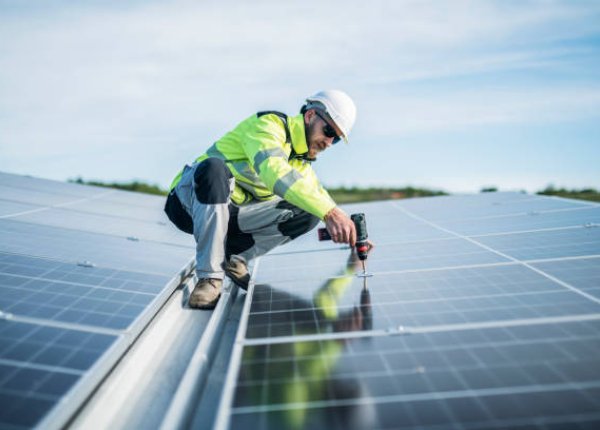
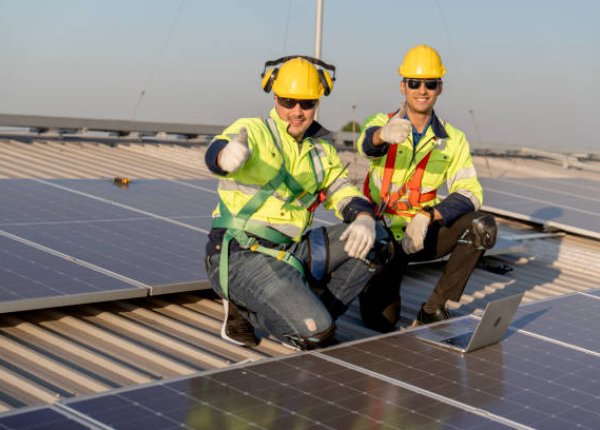
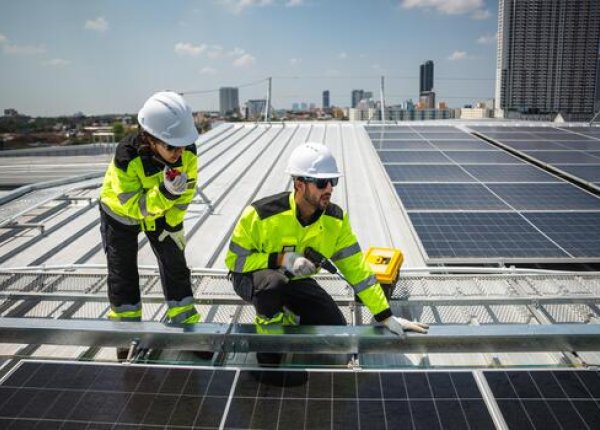
Electrical work on a solar system in Hawaii must be performed by properly licensed professionals. Our installs are led by licensed journeyman electricians, not only general labor crews. They understand how solar wiring standards, grounding, and rapid-shutdown requirements work together, so the system is safe and passes inspection the first time.
What to ask: "Who will actually do the electrical work on my home, and what licenses do they hold?"
2. A Thorough Site and Roof Assessment
Every install starts with a careful look at the roof's age, structure, material, and condition, along with your electrical panel's capacity. We flag problems before installation instead of discovering them afterward. If your roof needs work first, we'll tell you, even if that delays the project.
3. Leak-Proof Roof Penetrations
Every bolt through your roof is a potential leak point. Our crews use proper flashing and sealing methods matched to your roof type, whether that's asphalt shingle, metal, or tile. On tile roofs, we use tile-specific mounts and careful handling to avoid cracked tiles that can let water in months later.
Tip: Ask any installer to explain exactly how they flash and seal roof penetrations. A vague answer is a warning sign.
4. Materials Chosen for Island Conditions
Salt air corrosion is one of the biggest threats to solar systems in Hawaii. We specify corrosion-resistant racking, stainless or coated hardware, and salt-mist-rated solar panels, especially for coastal homes. This small upfront choice prevents failures that are expensive to fix later.
5. Clean, Protected Wiring
Neat wire management isn't just about appearance. Properly secured, protected, and labeled wiring holds up to heat, UV exposure, and wind, and it makes future service faster and safer. Loose wires rubbing against a roof surface can fail over time.
6. Wind-Rated Mounting
Racking is engineered and installed to meet wind-load requirements. Correct spacing, attachment points, and torque specifications keep your array secure through storms.
7. Smooth Permits and Inspections
We handle county permits and Hawaiian Electric interconnection paperwork. Because the work is done to code from the start, inspections go smoothly and your system starts producing sooner.
8. Standing Behind the Work
A strong workmanship warranty shows an installer's confidence in their craft. Ask how long it lasts, what it covers, and who will respond if something goes wrong. Local installers can reach your home quickly when service is needed.
Quality Solar Installation in Real Island Homes
Here's what quality workmanship from solar installers in Hawaii looks like in practice.
A Mānoa Home on a Tile Roof
This homeowner had received low bids that didn't address the fragile clay tile. Our crew used tile-specific mounts and replaced several brittle tiles during installation, then added battery storage for outage backup. Through heavy Mānoa rains, the roof has stayed watertight.
A Waimānalo Home Near the Ocean
Salt spray had corroded a neighbor's racking within a few years. For this family, we specified stainless hardware and salt-mist-rated panels, so the system is built to handle constant ocean exposure.
A System Rescue in Mililani
A homeowner called us after their original installer went out of business, leaving loose wiring and poor flashing. Our journeymen corrected the issues and restored full production.
Quality craftsmanship makes the difference in homes across the islands.
How to Choose Solar Installers in Hawaii You Can Trust
Knowing what quality looks like helps you pick solar installers in Hawaii who will protect your home.
Verify Licenses
Confirm the company's contractor license and the electricians' credentials through the state's licensing search. Licensed professionals are accountable to state standards.
Ask About Roof Methods
Ask how the installer flashes and seals penetrations for your roof type. Good installers explain their process clearly.
Check Workmanship Warranty Terms
Compare coverage length and what's included, and find out who handles service calls.
Choose Local Experience
A local solar company in Hawaii understands salt air, wind, and island permitting, and can respond quickly when you need service.
Plan for Ongoing Care
Ask whether the installer offers maintenance and repair so your system stays in top condition.
Why Island-Built Quality Matters for Your Solar Investment
The best solar installers in Hawaii combine licensed journeyman electricians, leak-proof roofing methods, and materials built for island conditions. That combination protects your roof, your safety, and decades of savings.
Choosing quality now saves you from costly repairs and headaches later.
Learn more about the team behind our work, then schedule a residential solar consultation with Alternate Energy Hawaiʻi and see the difference island-built quality makes.
Frequently Asked Questions About Solar Installers in Hawaii
Do solar installers in Hawaii need to be licensed?
Yes. Solar contractors in Hawaii must hold the appropriate state contractor license, and electrical work must be performed by licensed electricians. You can verify licenses through Hawaiʻi's professional licensing search before signing.
Will installing solar panels damage my roof?
Not when it's done correctly. Proper flashing, sealing, and roof-specific mounts prevent leaks. Problems usually come from rushed or inexperienced installation, which is why your choice of installer matters.
What is a workmanship warranty?
A workmanship warranty covers the installer's labor and installation quality, separate from the panel and inverter manufacturer warranties. It protects you if issues like leaks or wiring faults result from the installation.
Can you fix a system another company installed?
Yes. Experienced crews can inspect and correct problems like loose wiring, poor flashing, or corroded hardware on existing systems. Learn more on our solar maintenance page.
About the Author
Ryan Malaluan, CAPM®, is an SEO & Content Strategist with over 8 years of experience in SEO, content strategy, and digital marketing. He holds a Bachelor of Arts in Literature and is a Certified Associate in Project Management (CAPM®). Throughout his career, Ryan has worked with brands including Spacer, Airtasker, Marlee (formerly Fingerprint for Success), VEED.IO, and ROSEMET LLC, as well as several digital marketing agencies, helping businesses strengthen their organic visibility through strategic, results-focused SEO and content.