Island Tested: 30 Years of Professional Installation Solar Panel Expertise
Island Tested: 30 Years of Professional Installation Solar Panel Expertise
Sky-high utility bills and frequent grid outages are driving many Oahu homeowners to transition to clean, independent energy. Securing a premium, island-engineered installation solar panel setup is the most reliable way to lower your monthly overhead while permanently protecting your family from grid instability. Since 1993, Alternate Energy Hawaii has engineered long-term renewable systems built specifically to withstand our demanding tropical climate.
Rushing into a generic solar panel installation without evaluating local environmental factors can lead to rapid hardware degradation from intense salt-air corrosion and high coastal winds. Investing in a tailored solar installation protects your property’s roof structure and guarantees optimal financial returns through decades of clean power generation.
In this guide, you will gain a clear breakdown of our technical deployment criteria, state incentives, and structural engineering standards. Let’s look at what sets professional island craftsmanship apart.
Understanding Modern Island Solar Infrastructure
An authentic installation solar panel strategy involves mounting heavy-duty, high-efficiency photovoltaic (PV) modules onto a property's roof structure and linking them via advanced inverters to convert sunlight into usable electricity. In practical terms, these engineered systems capture raw solar energy during daytime peaks, providing clean power directly to your home's appliances or storing it inside a backup battery bank.
For residents on Oahu, this process must be executed with precision-engineered framing and robust moisture seals to protect the underlying structure from our unique weather patterns.
In our localized coastal climate, a standard solar panel installation is subjected to intense ultraviolet radiation, heavy tropical downpours, and salt-air exposure that can rapidly compromise lower-grade hardware. This makes the technical rigor of your initial setup critical to your home's long-term safety and financial stability. Substandard installations often result in hidden roof leaks, premature wiring failure, and systemic power drops that leave you vulnerable during severe grid disruptions.
Investing in a specialized, island-tested solar installation delivers substantial benefits that permanently optimize your home's operational costs:
- Drastic Utility Reduction: Offset Hawaii's highest-in-the-nation electric rates by producing your own clean power on-site.
- Protection Against Structural Leaks: Utilizing certified roofing procedures ensures your structural integrity is completely maintained under the weight of the hardware.
- Maximized State Incentives: Leverage Hawaii's generous 35% Renewable Energy Technologies Income Tax Credit (RETITC)—capped at site-specific for single-family residential properties—to significantly shorten your system's payback window.
A frequent mistake among local property owners is separating their clean energy upgrades from the health of their roofing materials. Mounting a 25-year solar array over an aging or damaged roof leads to expensive detachment costs later if the shingles fail prematurely.
Transitioning your property into a high-performance energy asset is simple when you pair our advanced photovoltaic (PV) solar systems with our integrated, expert roofing services to guarantee a perfectly sealed, structurally sound foundation from day one.
Step-by-Step Installation Process Timeline
Converting your customized engineering plan into an active, grid-tied renewable asset follows a structured sequence. To help you visualize the complete path to energy independence, here is the chronological workflow from our initial site review to final power generation:
- Step 1: Comprehensive Site Survey (Day 1) — Our technicians thoroughly analyze your roof pitch, rafter spacing, shading patterns, and main panel capacities to build the baseline engineering design.
- Step 2: Permitting and Utility Approvals (Weeks 2–6) — We submit structural packets to the local building department and process your HECO interconnection paperwork to guarantee total legal and utility compliance.
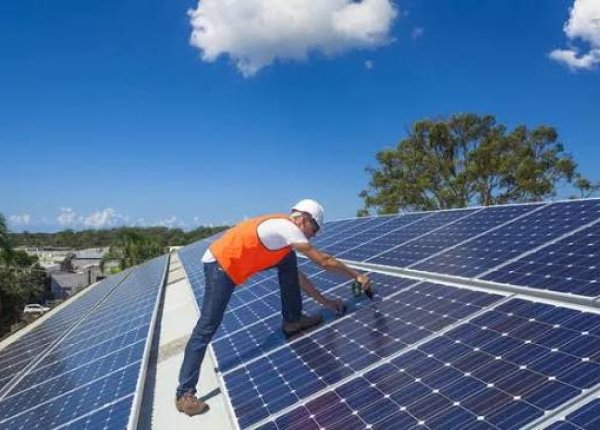
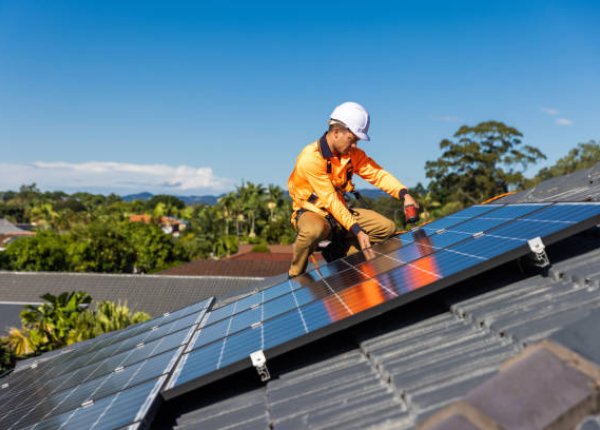
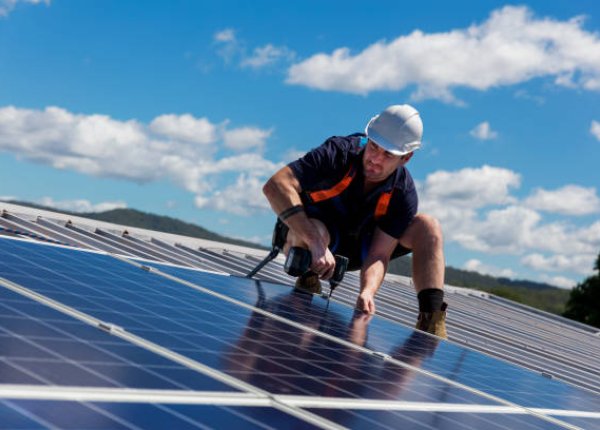
- Step 3: Structural Racking and Flashings (Day 7) — Our in-house licensed journeymen anchor heavy-duty, anodized aluminum rails to your roof rafter points, layering each penetration with triple-sealed waterproof flashing.
- Step 4: Electrical Configuration and Activation (Day 8) — We mount the high-efficiency PV modules, install your premium inverter infrastructure, complete the main panel connections, and boot up your digital system telemetry.
The Craftsman Detail: National solar franchises often rely on general labor subcontractors who rush through roof attachments to hit volume quotas. Keeping our entire installation pipeline in-house means a dedicated team of licensed electrical journeymen oversees every bolt torqued, ensuring your array is physically capable of weathering sustained island storm winds.
Real-World Solar Upgrades Across Oahu Communities
Reviewing how families across our island optimize their monthly energy setups highlights the direct benefits of structured engineering. These case studies demonstrate the practical advantages of selecting tailored hardware built for our climate.
- The Energy Optimization in Kapolei: A multi-generational family faced soaring summer electric bills that regularly exceeded site-specific a month due to keeping multiple rooms cooled. They committed to a complete residential solar panel installation paired with smart home battery backups.
By optimizing their panel placement for maximum sun exposure, they successfully reduced their monthly HECO obligation down to the minimum site-specific utility connection fee, unlocking thousands in annual savings.
- The Modernized Household in Kaneohe: A property owner on the Windward side worried about high humidity and heavy salt-air degradation on their aging roof infrastructure. They requested a specialized installation solar panel setup integrated seamlessly with comprehensive roofing repair and certified installation services.
The outcome was a perfectly sealed, weatherized roofing foundation supporting an advanced array designed to handle sustained tropical downpours without leaking.
These real-world scenarios prove that transitioning your home into a clean power source works efficiently under actual island conditions. Homeowners across Oahu can replicate these exact financial and structural outcomes by scheduling an engineered system design.
Expert Insights for Optimizing Your Island Solar System
Transitioning from general solar awareness to managing an active installation solar panel array requires shifting your focus toward ongoing operational efficiency. Applying these proactive, field-tested maintenance guidelines ensures your hardware continues to compress your payback period while remaining entirely storm-ready throughout the year.
- Enforce an Annual Thermal Imagery Inspection: Request that your service technician deploy specialized infrared cameras during routine site checkups. This diagnostic tool uncovers hidden electrical "hot spots" or microcracks inside the photovoltaic modules that are invisible to the naked eye but drastically throttle overall energy production.
- Establish a Clean Energy Wash Schedule: Oahu's dense coastal salt spray and volcanic ash (vog) create an invisible, baked-on crust across panel glass that standard rain showers cannot dissolve. Scheduling professional washing twice a year prevents severe light blockage, safely preserving your baseline panel efficiency.
- Audit Your Interconnection Firmware Annually: Much like your smartphone, modern microinverters require ongoing software updates to optimize communication with your energy storage bank. Ensuring your team flashes the latest updates during a dedicated electrical service and diagnostic check guarantees your array routes power flawlessly without triggering communication faults during sudden utility dropouts.
- Keep Vegetation Well Below Rooflines: Rapidly growing tropical trees can quickly cast unexpected afternoon shadows across your racking framework. Since even partial string shading can drop your total array throughput by more than 30%, keeping branches trimmed away from your roof perimeter maximizes consistent daily sun exposure.
Embodying these strategic operational practices guarantees your advanced installation solar panel infrastructure yields maximum financial returns while delivering unwavering electrical resilience for your island household.
Partner with Oahu’s Trusted Energy Pioneers for Your Next Project
Embracing a tailored, island-engineered energy blueprint allows you to permanently sever your reliance on volatile utility rates while protecting your home from seasonal blackouts.
Transitioning your household to an independent power network ensures your family enjoys structural safety, complete grid resilience, and immediate monthly savings. By relying on an expert installation solar panel execution, you avoid the common pitfalls of rapid equipment weathering and unapproved utility connections.
Taking control of your energy footprint right now guarantees you secure your state and federal incentives while locking in your preferred timeline with an elite technical team. Partnering with a multi-generational, locally owned organization provides you with a single point of accountability from initial permitting to long-term monitoring.
Don't let soaring utility overhead compromise your family's budget—take the definitive step toward ultimate energy self-sufficiency today by scheduling your premium, comprehensive installation solar panel package directly with the specialized experts at Alternate Energy Hawaii.
Frequently Asked Questions About Residential Solar Engineering
What is the typical life expectancy of a professional installation solar panel setup in Hawaii?
A premium, professionally engineered array can easily operate at optimal efficiency for 25 to 30 years. However, satisfying that lifespan across Oahu requires selecting advanced, climate-tested modules that feature rugged anti-corrosive frames. Rushing into a budget solar panel installation without marine-grade components typically leads to premature wiring failure and rapid bracket rust from our dense, island-wide salt spray.
How does a residential solar panel installation impact my property’s roof warranty?
Partnering with a licensed, certified contractor keeps your underlying structural warranties completely intact. Our technicians utilize specialized triple-sealed metal flashings at every single attachment point, maintaining an absolute waterproof barrier. Combining our precise mounting processes with our dedicated certified residential roofing services ensures your home receives unified, single-source accountability while fully protecting your home's long-term material coverage.
Can I expand my solar installation in the future if my home's energy demands increase?
Yes, modern modular layouts are engineered specifically to scale smoothly as your family’s infrastructure grows. If you decide to add heavy-draw appliances later, our team can seamlessly install additional matching modules onto your existing racking framework. Planning ahead during your initial solar installation allows us to size your electrical conduits appropriately, making future expansions clean and cost-efficient.
What sets an in-house solar installation process apart from third-party subcontractors?
Relying entirely on a dedicated, in-house team of licensed electrical journeymen guarantees superior quality control across every single phase of your build. Many national sales franchises deploy uncredentialed subcontractors to maximize volume, leading to misconfigured wiring lines and damaged shingles. Keeping our entire pipeline in-house ensures your solar panel installation process strictly adheres to rigid Hawaii building and safety codes