Local Solar Co-Ops and Group Projects
How Communities Are Powering Hawaii Together
As electricity prices continue to rise and sustainability becomes a shared priority, solar cooperatives are gaining momentum across Hawaii. These community-driven models allow residents, businesses, and organizations to pursue solar energy together instead of navigating the process alone.
Rather than each homeowner researching systems, comparing installers, and negotiating pricing independently, solar co-ops pool interest and buying power. This collaborative approach makes solar more affordable, more accessible, and less intimidating, especially in a state where clean energy is both an opportunity and a necessity.
In Hawaii, where sunlight is abundant but installation costs can feel like a barrier, solar power cooperatives and group solar projects offer a practical path forward. From neighborhood group buys to shared community systems, these initiatives empower people to take control of their energy future together.
This guide explains what solar cooperatives are, how they work in practice, and why they are becoming an important part of Hawaii’s renewable energy landscape.
What Solar Cooperatives and Group Projects Are
A solar cooperative is a group of individuals or organizations that come together to pursue solar energy collectively. Members typically share resources, coordinate planning, and negotiate with installers as a group to achieve better pricing and smoother execution.
Group solar projects can take several forms, including:
- Neighborhood solar group buying programs
- Community solar installations serving multiple participants
- Shared solar arrays with allocated energy credits
- Cooperative ownership or subscription-based models
You may also hear these initiatives referred to as a solar co op, solar coop, or cooperative solar. While structures vary, the goal is the same: make solar more affordable and accessible through collaboration.
In Hawaii, solar cooperatives are especially valuable for renters, condo owners, and homes with roofs that are shaded or unsuitable for individual installations.
How Solar Co-Ops Work in Practice
Step 1: Community Interest and Organization
Most solar cooperatives begin when a group of neighbors, a community organization, or a local nonprofit identifies shared interest in solar. Meetings or information sessions help participants learn together and understand the benefits of group participation.
This early education stage builds trust and ensures everyone starts with a clear understanding of how solar works.
Step 2: Solar Group Buying and Installer Selection
Once interest is established, the cooperative negotiates with installers as a group. This solar group buying approach often results in discounted pricing, standardized equipment options, and clearer timelines.
By evaluating installers together, participants feel more confident in the technical and financial decisions being made.
Step 3: Site Evaluation and Project Planning
Each participant’s property, or the shared installation site, is evaluated for suitability. For shared systems, planners determine how energy production or credits are allocated among members.
Clear agreements at this stage prevent confusion later and ensure transparency around ownership, savings, and responsibilities.
Step 4: Coordinated Installation
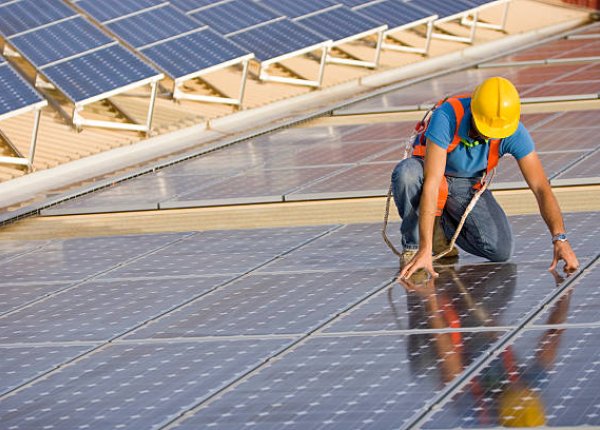
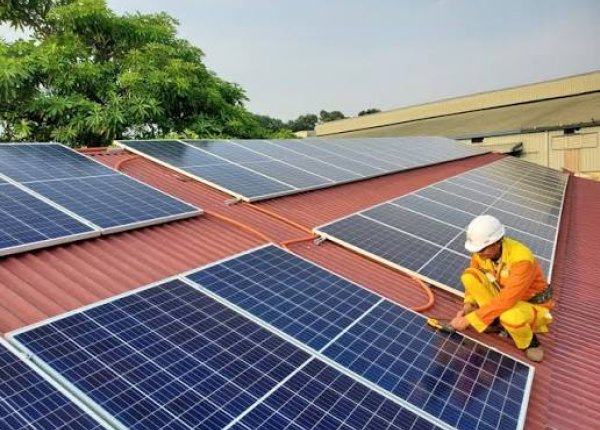
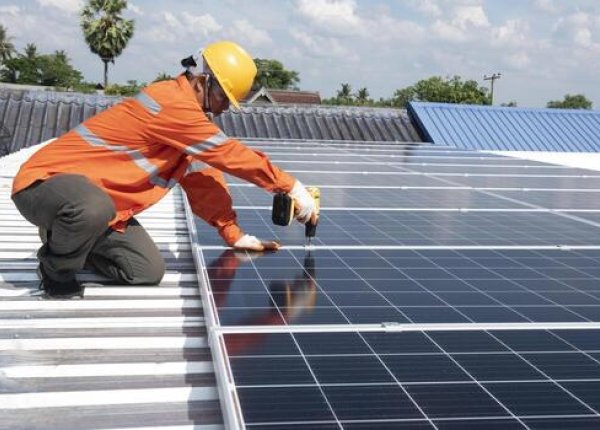
Installations are scheduled in batches or as a single project, reducing administrative complexity and delays. This coordinated execution is one of the biggest advantages of a solar electric co or group project.
Installers benefit from efficiency, and participants benefit from smoother timelines.
Step 5: Long-Term Benefits and Community Impact
After installation, members enjoy lower energy costs and shared environmental benefits. Many solar cooperatives also continue meeting to advocate for renewable energy, share performance insights, or explore future upgrades like storage or EV charging.
The result is not just clean power, but stronger community connections.
Why Solar Cooperatives Matter in Hawaii
Hawaii’s energy challenges are unique. The state relies heavily on imported fuels, resulting in some of the highest electricity rates in the country. At the same time, Hawaii has aggressive clean energy goals.
Solar cooperatives help address both challenges by:
- Lowering upfront installation costs
- Expanding access to renewable energy
- Supporting community resilience
- Reducing dependence on imported energy
- Accelerating progress toward sustainability goals
For many residents, joining a solar coop is the most realistic way to participate in the clean energy transition.
Real-World Examples of Group Solar Success
Residential Neighborhood Co-Ops
Groups of homeowners band together to install rooftop solar systems at discounted rates. Each home benefits individually, while the group benefits collectively.
Condo and Multi-Family Projects
Shared systems provide clean energy in buildings where individual rooftop installations are not practical. This model is especially common in dense Hawaii communities.
Community Organizations and Schools
Schools, nonprofits, and community centers use cooperative solar projects to reduce operating costs while serving as educational examples of renewable energy in action.
These examples show how flexible energy cooperatives can be across different property types and community needs.
Best Practices for Joining or Starting a Solar Co-Op
To ensure success, effective solar cooperatives follow a few core principles.
Build strong community engagement
Clear communication keeps participants aligned and committed.
Work with experienced local providers
Hawaii-specific expertise ensures systems are designed for local conditions.
Define ownership and benefits clearly
Transparency around savings, maintenance, and responsibilities prevents issues later.
Plan for long-term performance
Solar is a long-term investment, and cooperatives should plan accordingly.
Align with shared sustainability goals
Community values drive participation and long-term success.
Working with knowledgeable local experts like Alternate Energy Hawaii helps solar cooperatives navigate technical requirements, incentives, and project coordination effectively.
Integrating Solar With Other Energy Solutions
Many cooperatives pair solar installations with complementary upgrades to maximize impact, such as:
- Photovoltaic solar systems for clean power generation
- PV storage solutions for energy resilience
- Energy-efficient air conditioning to reduce overall consumption
- Solar water heating to lower electric demand
- Electric vehicle charging for future-ready communities
Understanding available incentives, such as those outlined in state solar rebates and incentives, further improves affordability for cooperative members.
Community Power Creates Lasting Change
Solar cooperatives demonstrate what is possible when communities work together. By sharing resources, knowledge, and purchasing power, participants make solar more affordable, less complex, and more inclusive.
In Hawaii, where clean energy is both an economic and environmental priority, solar cooperatives play a vital role in accelerating the transition to renewable power. Whether through a neighborhood group buy or a shared community installation, cooperative solar projects turn individual interest into collective impact.
Joining or forming a solar co-op is not just about lowering energy bills. It is about building a more resilient, sustainable energy future together.
Frequently Asked Questions About Solar Cooperatives
What is a solar cooperative?
A solar cooperative is a group that works together to pursue solar energy collectively, often to reduce costs and simplify the process.
Are solar co-ops cheaper than individual installations?
Often, yes. Group purchasing and coordinated planning typically lower overall costs.
Can renters participate in solar cooperatives?
Yes. Community and shared solar models allow participation without owning a rooftop system.
Are solar cooperatives available in Hawaii?
Yes. Local initiatives and providers support group solar projects across the islands.
Who manages solar co-op projects?
Community organizers and experienced local solar providers usually guide planning, installation, and long-term support.