Community Solar Projects Explained
Why Community Solar Projects Are Transforming Clean Energy Access in Hawaii
Switching to solar power should not require owning a roof, navigating difficult permits, or paying thousands of dollars upfront. Yet for many Hawaii residents such as renters, condo owners, and households with shaded or aging roofs, traditional rooftop solar is simply not an option. That is where a community solar project becomes a game-changing solution, offering an easier and more accessible path to clean energy.
Community solar allows people to benefit from renewable electricity without installing anything at home. Instead, they subscribe to a shared solar farm and receive credits on their utility bill each month. This model is designed for real-life living conditions, especially in Hawaii where land limitations, multi-unit homes, and dense urban housing make rooftop panels impractical.
If you want to reduce your electricity costs, support Hawaii’s long-term sustainability goals, and participate in clean energy without equipment or installation, this guide breaks down everything you need to know. You will learn:
• How a community solar project works
• What benefits subscribers receive
• How Hawaii residents can join local community solar programs
By the end, you will clearly understand whether community solar is right for you and how to join a project near your home.
What a Community Solar Project Actually Provides
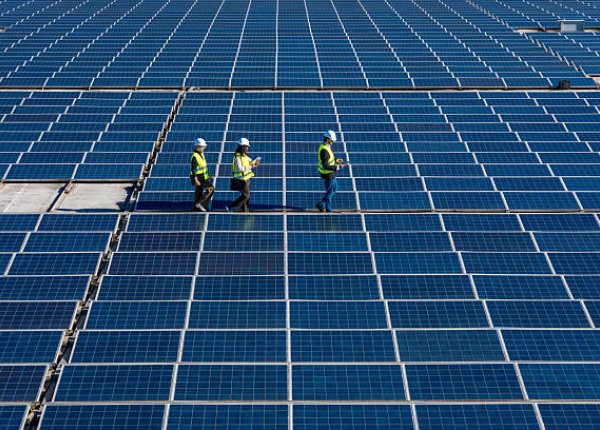
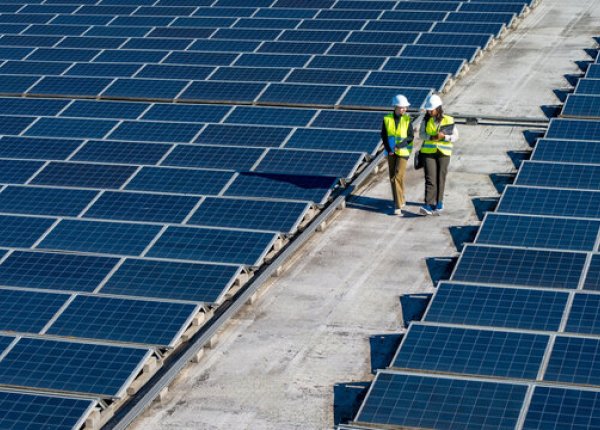
A community solar project is a centrally located solar farm that produces renewable electricity for multiple households, businesses, and organizations. Instead of installing personal rooftop panels, participants subscribe to a portion of the shared solar system and receive energy credits on their utility bill based on how much renewable power their share generates.
Community solar matters in Hawaii because it removes the common barriers associated with rooftop solar. Many residents rent, live in high-rise buildings, or have roofs that are shaded, damaged, or unsuitable for panels. Shared solar eliminates these limitations and expands access to solar energy solutions statewide.
Key benefits of joining a community solar project include:
• A simplified entry point into solar energy
• Clear, predictable billing and subscription terms
• Flexible participation options for renters and mobile households
Community solar also increases renewable energy generation capacity, supporting statewide goals for Hawaii renewable energy and reducing reliance on imported fossil fuels. Many people assume community solar is complicated or expensive, but the model is designed to be user-friendly and typically requires no installation or upfront cost.
Now let’s walk through how a community solar project works step by step.
How a Community Solar Project Works in Hawaii
Understanding Your Community Solar Subscription
Purpose: This step explains what subscribing means and how participation begins.
Subscribing to a community solar project means reserving a portion of the electricity generated by a shared solar farm. You do not own the panels, but you receive the financial benefits of clean power production. Your subscription size often matches your typical monthly energy usage to maximize your bill credits.
Project availability can be limited because each solar farm caps the number of participants.
Pro Tip: Review contract terms, credit structure, and cancellation policies before enrolling.
Receiving Monthly Solar Energy Credits
Purpose: This step outlines how savings appear on your Hawaiian Electric bill.
Once enrolled, your share of the community solar farm produces electricity that flows into the grid. Hawaiian Electric tracks monthly production and applies credits to your bill based on your subscription size. These credits offset your electricity charges and reduce your monthly costs.
Savings vary by season, sunlight levels, and project performance.
Pro Tip: Keep an eye on your consumption patterns to ensure your subscription remains aligned with your needs.
Paying Your Community Solar Subscription Fee
Purpose: This step explains how your monthly payment structure works.
Most community solar projects use a subscription model. You pay a monthly fee to reserve your share of the solar farm’s output, and this fee is typically less than the value of your bill credits. Many subscribers save money each month because credits exceed subscription costs. Some programs offer fixed discounts for predictable long-term savings.
Pro Tip: Search for projects offering guaranteed discounts for the best value.
Managing Flexibility and Program Participation
Purpose: This step outlines what flexibility you have as a subscriber.
Many Hawaii community solar programs allow subscribers to transfer their participation if they move within the same utility service region. Some programs even let users adjust or pause their share based on changing energy needs. This makes community solar especially appealing for renters and households planning future relocations.
Pro Tip: Confirm transfer rules if you expect to move in the next few years.
Supporting Hawaii’s Renewable Energy Transition
Purpose: This step explains how individual participation helps statewide sustainability efforts.
Hawaii’s mission to achieve 100 percent renewable energy depends on increased access to clean power. Every subscriber in a community solar project directly contributes to expanding solar power in Hawaii, reducing imported fuel reliance, and lowering emissions. Some developers also offer enhanced benefits for low-to-moderate-income households to expand equitable access.
Information from Energy.gov and clean energy analyses from Greentech Media further highlight the role community solar plays in America’s renewable transition.
Pro Tip: Look into programs that offer additional incentives or priority enrollment.
Real-World Applications of Community Solar in Hawaii
Community solar is already helping residents across Hawaii overcome traditional solar barriers.
Renters in Honolulu
Many renters cannot install rooftop solar but still want renewable energy. Community solar lets them join a shared solar farm and save between 10 and 15 percent on electricity without modifying their building.
Maui Homeowners in Shaded Areas
Residents with shaded or unsuitable roofs can still access clean power through community solar, eliminating the need for structural changes or expensive installations.
Small Businesses on the Big Island
Local stores and service providers use community solar subscriptions to stabilize energy costs and strengthen their sustainability profile, something customers increasingly value.
In all these situations, the takeaway is simple: community solar opens the door to clean energy regardless of roof suitability, property type, or financial limitations.
Best Practices and Common Mistakes to Avoid
• Compare subscription plans carefully: Different projects offer different pricing and discount models.
• Check cancellation and transfer policies: Flexibility is essential if you rent or may move.
• Monitor your monthly bill credits: Adjust your subscription size if credits or usage shift.
• Enroll early: Many Hawaii community solar projects fill rapidly due to limited capacity.
Following these best practices ensures you maximize savings and avoid unnecessary complications.
Key Takeaways
Community solar offers an affordable and accessible way for Hawaii residents to adopt renewable energy. Whether you rent, own a shaded rooftop, or simply want a smarter alternative to home solar installation, a community solar project provides clean electricity, predictable savings, and zero equipment or maintenance requirements.
To explore alternatives such as rooftop systems or complementary technologies, you can learn more about photovoltaic systems, PV storage solutions, solar water heating, and additional tools through resources like:
• Photovoltaic panel systems
• PV storage solutions
• Energy-efficient air conditioning
• Solar water heating systems
• Residential electrical services
• Roofing services for solar-ready homes
• EV charging solutions
• Rooftop solar installation guidance
These solutions complement community solar or serve as alternatives for households ready for rooftop installation in the future.
Frequently Asked Questions About Community Solar Projects
1. How does a community solar project work in Hawaii?
A community solar project generates electricity at a shared site and distributes bill credits to subscribers through Hawaiian Electric. This allows residents to access renewable energy without rooftop installations or maintenance.
2. Can renters join a community solar project?
Yes. Community solar is designed to be renter-friendly. Subscriptions follow your utility account, not your property, and many programs allow transfers if you move within the same region.
3. How much can I save with community solar in Hawaii?
Savings typically range from 10 to 20 percent, depending on project structure, solar farm production, and your energy usage.
4. Is there any maintenance or installation required?
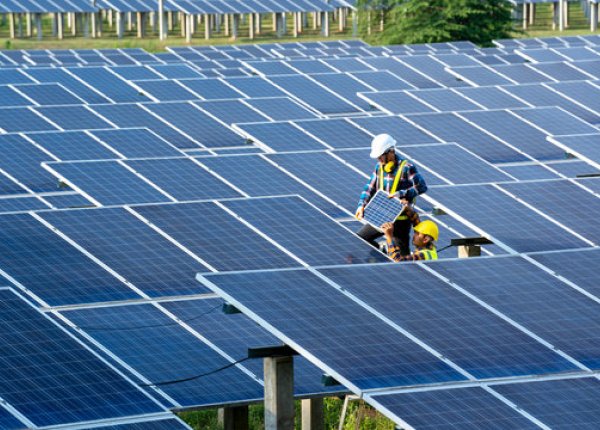
No. All equipment, installation, and maintenance are handled by the project developer. Subscribers only receive monthly credits and pay their subscription fee.
5. What happens if I move to a new home?
Most programs allow subscription transfers within the same utility area. If transferring is not possible, contract terms may allow cancellation without penalty.