Rooftop Solar System Guide for Hawaiʻi Homes
Rooftop Solar System Guide for Hawaiʻi Homes
If you're tired of high HECO bills and wondering whether your roof can do something about it, a rooftop solar system in Hawaii is one of the most practical upgrades you can make. Panels on your roof generate power your home uses directly, cutting how much electricity you buy from the utility. With a battery, they can also keep essentials running during outages.
For families, getting it right matters. A rooftop solar system is a long-term investment tied to your roof, your budget, and your household's daily routine. Choosing the wrong size, skipping a roof inspection, or misunderstanding utility programs can reduce your savings for decades.
This guide walks you through how a rooftop solar system in Hawaii works, how to size it, what the installation process looks like, and how to avoid common mistakes. Let's start with the basics.
What a Rooftop Solar System in Hawaii Includes
A rooftop solar system is a set of solar panels mounted on your roof, connected to an inverter and your home's electrical panel, that converts sunlight into electricity for your household. Most systems in Hawaiʻi also include a home battery and a monitoring app that tracks production and usage.
A rooftop solar system in Hawaii matters more than a similar system on the mainland because electricity here is so expensive. Every kilowatt-hour your panels produce replaces power you would otherwise buy at some of the highest rates in the country. A professionally designed residential solar system is sized to your usage, so your roof works as hard as possible for your household.
Key benefits include:
- Lower monthly bills. Your daytime usage runs on your own power.
- Outage protection. When paired with a battery, your essentials can keep running when the grid goes down.
- Long-term value. Quality panels typically carry 25-year or longer warranties.
- Energy independence. You rely less on imported fuel and future rate increases.
A common mistake is assuming you can send all your extra power to the grid for full credit. Traditional net metering is closed to new customers, which is why solar battery storage is now part of most residential solar systems in Hawaii.
How to Plan and Install a Rooftop Solar System in Hawaii
Planning a rooftop solar system in Hawaii follows a clear sequence, from checking your roof to flipping the switch. Working with an experienced solar installer in Hawaii keeps each step on track. Here's what the process looks like.
Step 1: Review Your Electricity Usage
Start with 12 months of HECO bills. Your annual kilowatt-hour usage determines how large your system should be. Note seasonal peaks, like summer AC use, and any upcoming changes such as an electric vehicle, a pool pump, or a growing family.
Tip: Evening usage matters too. If most of your power use happens after sunset, you'll likely need a battery to get full value from your panels.
Step 2: Evaluate Your Roof
Your roof is the foundation of the system, so its condition comes first.
- Age. If your roof has fewer than about 10 years of life left, consider replacing it before installing panels to avoid paying to remove and reinstall them later.
- Material. Asphalt shingle and metal roofs are the most straightforward. Tile roofs are workable but require more careful installation.
- Orientation and shade. South- and west-facing roofs typically produce the most power, and east-facing roofs can work well too. Shade from trees or neighboring buildings reduces output.
- Space. Setback requirements for fire access limit how much of your roof can hold panels.
Step 3: Size the System
With your usage and roof details, your installer calculates the right solar system size. Because export credits are limited under current programs, the goal is usually to match your own consumption rather than produce as much as possible. Oversizing adds cost without much added return.
Step 4: Choose Your Equipment
Pick solar panels with strong efficiency, a good temperature coefficient for hot roofs, and salt-mist certification if you live near the coast. Then choose your inverter setup, either microinverters or a hybrid inverter that manages a battery. Finally, decide on battery capacity based on your evening usage and which loads you want backed up.
Step 5: Understand Hawaiian Electric Programs
Your system must be approved by the utility before it can operate. Common options include the Smart Export program, which credits exports at set times at a reduced rate, and non-export or battery-focused setups. Program rules change periodically, so your installer should confirm current options for your island.
Step 6: Permits and Interconnection
Your installer handles building permits with your county and interconnection applications with Hawaiian Electric. Approval timelines vary by island and application volume, so this step often takes longer than the physical installation.
Step 7: Installation Day
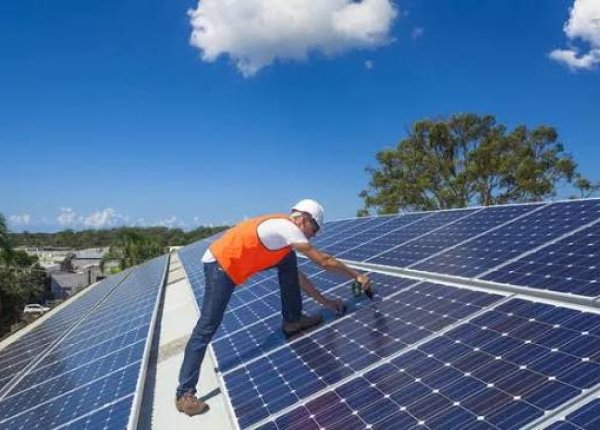
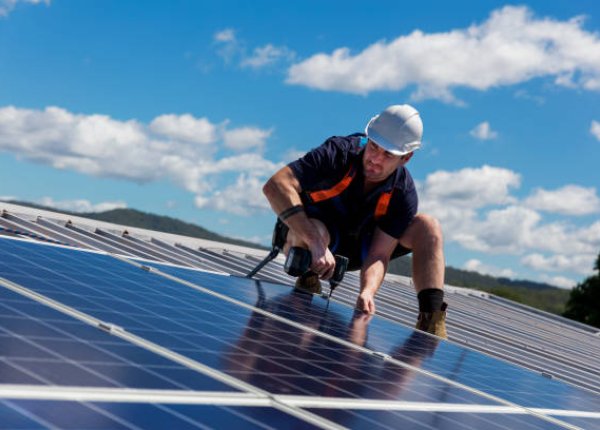
Most residential installations take one to three days. Crews mount racking, install panels, run wiring, and set up the inverter and battery. Tile roofs and complex layouts may take longer.
Step 8: Inspection and Activation
After the county inspection and utility approval, your system is switched on. You'll get access to a monitoring app to track production, usage, and battery status.
Step 9: Claim Incentives
Hawaiʻi's state renewable energy tax credit can offset part of your cost. Our financing and incentives page explains how to claim it and which loan options are available.
Real Examples of a Rooftop Solar System in Hawaii
Here's how a rooftop solar system in Hawaii works for different households.
A Pearl City Family With an Aging Roof
This family's roof had only a few years of life left. They replaced it first and then installed solar with battery storage, which avoided a costly panel removal down the road. Their monthly bill dropped substantially after activation.
A Kīhei Homeowner With Evening Usage
With both adults working away from home during the day, most power use happened at night. A right-sized system with a battery shifted daytime production into evening use, so the home rarely draws from the grid.
A Kona Home on a Tile Roof
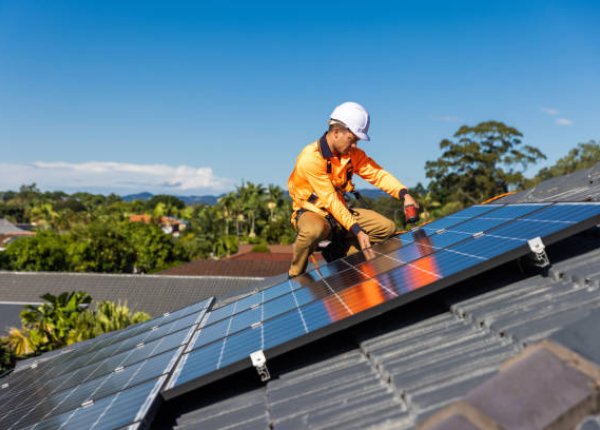
Tile roofs require careful handling, but an experienced crew used tile-specific mounts to protect the roof and keep it watertight.
With the right planning, residential solar in Hawaii works for nearly every type of home.
Tips for Getting the Most From Your Rooftop Solar System in Hawaii
A few smart choices help your rooftop solar system in Hawaii deliver its full value.
Fix the Roof Before You Go Solar
Removing and reinstalling panels later can cost thousands. Get a roof inspection first.
Size for Self-Consumption
Because export credits are limited, match your system to your actual usage instead of maximizing production.
Choose Coastal-Rated Equipment
Salt air corrodes low-grade hardware, so specify salt-mist-certified panels and stainless or coated racking.
Monitor Monthly
Check your app regularly. A drop in production can signal shading, dirt, or a faulty component.
Schedule Routine Maintenance
Periodic inspections and cleaning through a solar maintenance plan keep output strong year after year.
These habits protect your investment for decades.
Is a Rooftop Solar System in Hawaii Right for You?
A rooftop solar system in Hawaii turns your roof into a source of lower bills, backup power, and long-term savings. With a sound roof, a properly sized system, and the right utility program, most island homes are good candidates.
Every month you wait is another full electric bill. Starting now means you begin saving sooner.
Review your financing options, then schedule a free residential solar consultation with Alternate Energy Hawaiʻi to see what your roof can do.
Frequently Asked Questions About a Rooftop Solar System in Hawaii
How long does it take to install a rooftop solar system in Hawaii?
The physical installation usually takes one to three days. The full process, including design, permits, and Hawaiian Electric approval, can take several weeks to a few months depending on your island and application volume.
Can I install solar on a tile roof?
Yes. Tile roofs need specialized mounts and careful handling to prevent cracking and leaks, so choose an installer with tile experience. The process takes a little longer but works well when done correctly.
Do I need a battery with my rooftop solar system?
A battery isn't strictly required, but most Hawaiʻi homeowners benefit from one because export credits are limited. A battery stores your daytime solar for evening use and provides backup during outages. Learn more on our battery storage page.
What size solar system does my home need?
It depends on your annual electricity usage, your roof space, and whether you add a battery. Many Hawaiʻi homes use systems in the 5 to 8 kW range, but your 12 months of bills are the best guide to the right solar system size for your home.
About the Author
Ryan Malaluan, CAPM®, is an SEO & Content Strategist with over 8 years of experience in SEO, content strategy, and digital marketing. He holds a Bachelor of Arts in Literature and is a Certified Associate in Project Management (CAPM®). Throughout his career, Ryan has worked with brands including Spacer, Airtasker, Marlee (formerly Fingerprint for Success), VEED.IO, and ROSEMET LLC, as well as several digital marketing agencies, helping businesses strengthen their organic visibility through strategic, results-focused SEO and content.