Maximizing 2026 Federal Credits for Oahu Commercial Solar Installation
Maximizing 2026 Federal Credits for Oahu Commercial Solar Installation
Securing your commercial solar installation incentives for 2026 requires early strategic planning to leverage the full value of federal and state tax credits. Business owners often fear leaving thousands of dollars on the table due to missed deadlines or miscalculated project scopes that fail to meet stringent regulatory requirements. By acting now, you ensure your facility qualifies for significant cost offsets, turning a necessary infrastructure upgrade into a high-return financial asset.
This guide clarifies how to navigate the complex landscape of commercial solar installation and tax incentives to lower your operational overhead. You will gain a clear roadmap for maximizing your return, understanding the technical milestones required for credit eligibility, and selecting a partner who manages the entire process from engineering to filing. Let’s break down the essential steps to prepare your business for a successful energy transition.
Understanding the Financial Power of Commercial Solar
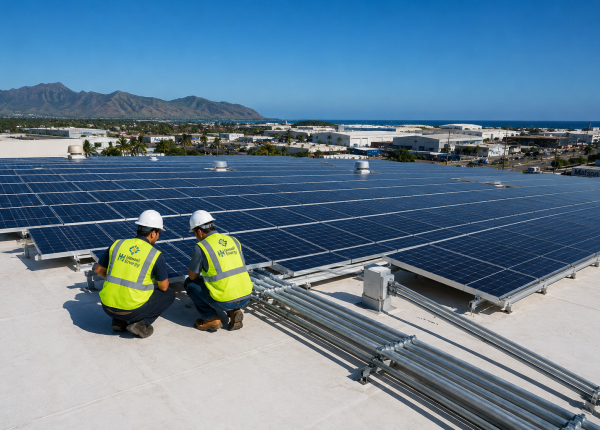
A commercial solar installation is a strategic capital investment that converts your building’s rooftop or unused land into a private power plant, drastically reducing your long-term operational expenses. By generating electricity on-site, businesses effectively lock in energy costs, shielding themselves from the volatility of Hawaii’s utility rates. For property owners and developers, this transition isn't just about environmental stewardship; it is a calculated financial move to improve net operating income and increase the long-term value of the asset.
This investment matters now more than ever because the current federal tax credit environment offers a limited window to maximize your capital recovery. Failing to align your project timeline with these fiscal milestones can result in significant missed opportunities. When you pursue commercial solar services through a locally experienced provider, you gain more than just hardware; you secure a partner capable of navigating the intersection of federal incentives, state tax credits, and utility-specific programs like HECO’s BYOD.
The primary benefits for your business include:
- Drastic Reduction in Operational Overhead: By offsetting peak daytime electricity usage, your facility lowers its demand charges and monthly consumption costs, leading to immediate cash flow improvements.
- Accelerated Capital Recovery: Combining the federal Investment Tax Credit (ITC) with accelerated depreciation schedules allows your business to recover a substantial portion of the system cost within the first few years of operation.
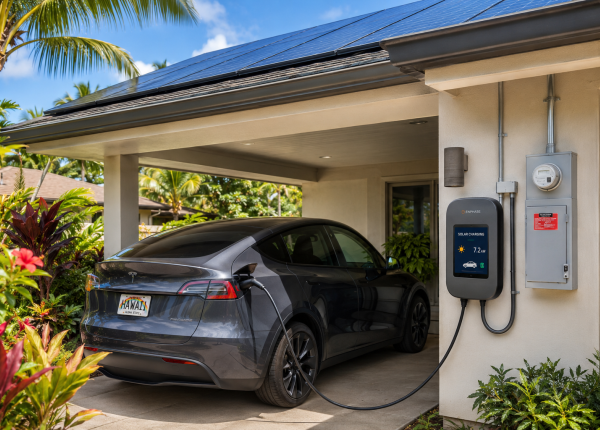
- Enhanced Energy Resilience: Integrating electrical services and battery storage ensures that your critical operations remain powered during grid fluctuations or outages, protecting both equipment and revenue.
A common mistake is treating solar as a simple procurement project rather than a technical and financial one. Relying on an expert ensures your system is optimized for Hawaii’s unique environment while remaining fully compliant with all eligibility requirements for tax credits.
Strategic Planning for a Successful 2026 Commercial Solar Installation
Achieving the highest possible return on your investment requires more than just installing panels; it requires a disciplined approach to project management that synchronizes your operational goals with federal fiscal timelines. A successful commercial solar installation is the result of early planning, precise engineering, and an expert understanding of how various incentives interact to lower your net cost. By focusing on these core pillars, you can turn a complex energy project into a reliable, long-term profit center for your business.
To begin your journey with commercial solar services, consider the following steps to ensure your project is both technically and financially optimized.
1. Perform a Comprehensive Site and Energy Audit
Before committing to any infrastructure, you must understand your building's current energy profile. This involves analyzing your peak demand charges, existing roof structural capacity, and electrical grid limitations. A professional partner will conduct this audit to ensure that your system is sized correctly to maximize consumption and feed-in potential. Neglecting this step often leads to under-performing systems that fail to meet the rigorous energy-reduction goals required for many commercial financial incentives.
2. Finalize Your Engineering and Permitting Timeline
In Hawaii, the permitting process involves multiple stakeholders, including utility providers and local building departments. Because a commercial solar installation is a significant structural and electrical upgrade, these approvals can take time. Engaging an experienced team early ensures that your design is compliant from day one, avoiding costly mid-project redesigns. By locking in your design now, you clear the path for a 2026 installation window, ensuring that you don't face delays caused by peak-season demand.
3. Integrate Battery Storage for Maximum Resilience
Business owners are increasingly looking beyond simple PV systems to include pv storage solutions. Battery integration is critical for commercial entities that cannot afford downtime during grid instability. Furthermore, having a battery system allows you to participate in utility programs like HECO’s BYOD, which can turn your backup storage into an additional revenue stream. This turns your solar system from a cost-saving measure into a comprehensive energy-security asset.
4. Optimize for Federal and State Tax Incentives
The financial viability of your project depends on your ability to leverage the full 65% combined tax credit potential. This requires precise documentation and a project timeline that ensures the system is placed in service within the correct tax year. Work closely with an installer who understands the nuances of the Investment Tax Credit (ITC) and can provide the detailed reporting necessary for your accountants to file claims with confidence.
5. Plan for Ongoing Maintenance and Monitoring
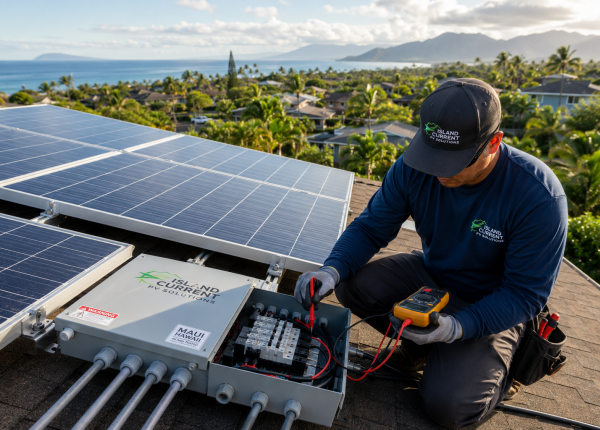
Your system’s long-term performance is only as good as its maintenance schedule. Commercial-scale systems should be monitored for efficiency, potential shading issues, and inverter health. Choosing a partner who offers a dedicated tech support line ensures that if a technical issue arises, you have a direct lifeline to prevent production loss. Investing in roofing inspections as part of your solar strategy also ensures that your building’s envelope remains sound for the 25-plus year life of your panels.
By following these five steps, you move from a reactive decision to a proactive strategy. Whether you are seeking a commercial solar install for a warehouse, retail space, or office complex, this methodical approach minimizes risk and maximizes the financial impact of your transition. Remember, the goal is to create a seamless energy ecosystem where your solar, storage, and electrical infrastructure work in perfect harmony to support your business's bottom line.
Real-World Applications of Commercial Solar Installation Success
Transitioning from conceptual planning to a physical commercial solar installation requires a practical understanding of how different businesses optimize their specific energy needs. The following examples illustrate how varied organizations have successfully utilized commercial solar installation to achieve financial and operational stability.
Scenario 1: Retail Center Optimization
A large retail complex on Oahu faced rising electricity costs that were eating into their net operating income. They partnered with an expert team to design a solar array that integrated seamlessly with their existing infrastructure, including energy-efficient air conditioning units. By automating the load management between their new solar array and cooling systems, the center achieved a 40% reduction in monthly utility bills. This improvement not only increased their property value but also created a more comfortable environment for their tenants and customers.
Scenario 2: Industrial Warehouse Resilience
An industrial facility needed a reliable energy solution that would protect their high-value inventory during grid fluctuations. They opted for a system combining large-scale PV panels with advanced battery storage. This allowed the facility to bypass the impact of frequent grid instability, ensuring their refrigeration and security systems remained fully operational 24/7. As a result, the owner significantly reduced their insurance risk and eliminated the need for costly, fuel-heavy backup generators.
These scenarios prove that whether you are running a retail hub or an industrial warehouse, the right installation strategy turns energy expenses into reliable assets. Any business owner can achieve these measurable results by prioritizing expert design and long-term performance planning.
Best Practices for Scaling Commercial Solar Installation Efforts
Moving from a basic understanding of renewable energy to the effective deployment of a commercial solar installation requires attention to detail. These expert insights represent the difference between a standard project and one that optimizes your bottom line through a professional commercial solar install.
- Audit Your Electrical Infrastructure Early: Before finalizing your plans, conduct a thorough assessment of your building’s current electrical capacity. Modernizing your electrical services beforehand ensures the facility can handle the added solar load without the need for emergency panel upgrades. For example, verifying your main breaker and conduit sizing prevents mid-installation bottlenecks that could delay your target operational date.
- Prioritize Long-Term Warranty Protection: Always verify that your installer provides direct, in-house support for the hardware and labor. When selecting your commercial solar installation partner, demand transparency regarding their post-installation service level agreements. Knowing you have a dedicated tech support line to address performance issues protects your long-term energy savings and ensures the system remains a reliable asset for the duration of its lifecycle.
- Leverage Tax Incentives Strategically: Work with a tax professional in tandem with your solar contractor to ensure your project timeline aligns perfectly with tax credit filing windows. Proper documentation of project completion dates is essential for maximizing the 65% combined tax credit potential, turning your investment into a clear and defensible financial success.
Applying these best practices sharpens your decision-making, ensuring that your solar strategy is built on professional rigor rather than guesswork.
Securing Your Path to a Profitable Commercial Solar Installation
By prioritizing strategic planning, in-house technical expertise, and a clear understanding of federal tax incentives, you have the foundation needed to execute a successful commercial solar installation. You now understand that professional oversight, from the initial site audit to the final grid connection, is the most effective way to protect your capital investment and maximize energy production.
Taking action today allows your business to lock in current incentive programs, ensuring your facility is positioned for long-term financial resilience and energy independence. Making the decision now provides your team with the confidence that your infrastructure is built to withstand Hawaii’s unique environment while significantly lowering your monthly operating costs.
If you are ready to evaluate your facility's potential or need guidance on qualifying for the latest tax credits, our team is available to provide a detailed, no-pressure assessment. Connect with us today to start your commercial solar installation.
Frequently Asked Questions About Commercial Solar Installation
What is the best way to start a commercial solar installation for my business?
The most effective way to begin your commercial solar installation is to request a professional site and energy audit. This process evaluates your current electricity usage, roof integrity, and electrical panel capacity to create a customized system design. By consulting with an experienced local contractor early, you ensure that your project is technically sound and optimized to qualify for all available tax credits, preventing costly errors before construction starts.
Can commercial solar contractors Hawaii help with utility grid interconnection?
Yes, reputable commercial solar contractors Hawaii handle the entire utility interconnection process on your behalf. This includes managing the paperwork for HECO’s programs, ensuring your system meets grid standards, and securing all necessary permits. By relying on a professional team, you avoid the administrative burdens of complex utility applications, ensuring that your system is grid-connected safely and legally while maximizing your energy production from day one of operation.
How does a commercial solar install impact my property’s long-term value?
A well-engineered commercial solar install significantly increases property value by lowering operating expenses and creating a predictable, long-term energy strategy. Businesses with solar energy systems are often more attractive to tenants or buyers who prioritize sustainability and low overhead. Furthermore, when you integrate solar water heating or advanced battery storage, your property becomes a comprehensive, resilient energy asset that provides protection against future electricity rate hikes and grid instability.
What financial benefits should I expect from business solar installation?
You should expect significant financial gains through the federal Investment Tax Credit (ITC) and accelerated depreciation, which can drastically reduce your initial capital outlay. When you execute a proper commercial solar installation, your monthly utility costs drop, providing immediate cash flow relief. These combined incentives often allow businesses to achieve a full return on investment within a few years, transforming an upfront infrastructure cost into a powerful, long-term profit-generating engine for your company.