Powering Oahu’s Economy: A Look at Recent Commercial Solar Panel Installations
Powering Oahu’s Economy: A Look at Recent Commercial Solar Panel Installations
High utility rates pose a constant threat to Oahu business operating margins, but modern commercial solar panel installations deliver immediate financial relief by turning unused roof space into self-generating energy assets. Rising commercial electricity tariffs mean unmanaged overhead directly cuts into profitability and limits local business growth.
Investing in professional commercial solar panel installations allows commercial property owners to stabilize operating budgets, protect bottom lines against utility rate hikes, and capture substantial state and federal tax credits.
In this overview, you will gain a clear understanding of how a commercial solar installation powers local enterprises, how custom system engineering maximizes energy production, and how local businesses leverage tax incentives for maximum ROI.
Here is how commercial solar installations are driving Oahu’s economic future.
Understanding Commercial Solar Panel Installations for Oahu Businesses
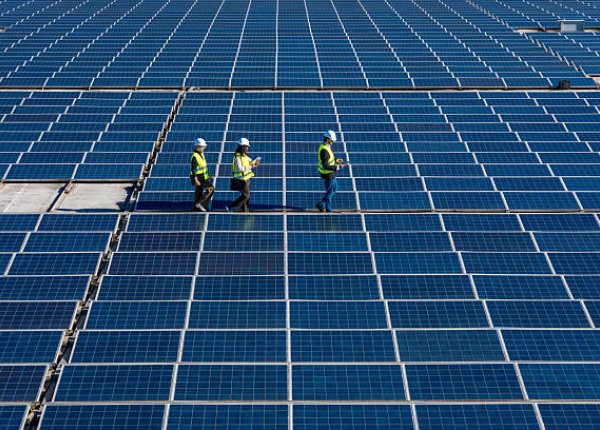
A commercial solar panel installation is a custom-engineered photovoltaic system scaled specifically to power commercial buildings, warehouses, retail centers, and industrial facilities. Unlike standard residential setups, these high-capacity commercial systems typically feature larger solar arrays, commercial-grade three-phase inverters, and specialized mounting hardware.
A commercial solar panel installation converts Hawaii’s abundant sunlight into high-volume AC power, offsetting heavy daytime operational loads like refrigeration, machinery, and central cooling.
For Oahu property owners and local enterprise leaders, investing in renewable infrastructure addresses the immediate threat of Hawaii’s highest-in-the-nation commercial electricity rates. Relying entirely on grid power exposes business budgets to unpredictable utility rate spikes and demand charges that directly erode profit margins.
Installing custom photovoltaic solar systems allows companies to produce their own electricity on-site, locking in predictable energy costs and protecting long-term financial stability.
Key operational and financial advantages of commercial rooftop solar installations include:
- Drastic Operating Cost Reductions: Lower monthly overhead by offsetting daytime utility consumption by up to 70%.
- Accelerated Tax Credit Utilization: Maximize return on investment by combining the federal Section 48E credit (for solar that began construction by July 4, 2026 or is placed in service by December 31, 2027) with Hawaiʻi’s 35% state solar credit and MACRS accelerated depreciation.
- Enhanced Building Value and Leasing Appeal: Boost commercial property valuation while attracting eco-conscious tenants seeking lower utility expenses.
- Integrated Multi-System Efficiency: Pair high-capacity solar generation with specialized electrical services to support heavy-duty panel upgrades, commercial EV chargers, and facility expansions smoothly.
A common misconception among business owners is that installing solar will disrupt daily operations or compromise their roof structure. However, expert engineering and non-penetrating ballast mounts protect building integrity, allowing seamless installations without interrupting normal business activities.
How Commercial Solar Panel Installations Fuel Oahu's Economic Growth
High-performance commercial solar panel installations drive measurable financial returns for island businesses by turning expensive roof space into active revenue savers. Understanding how a solar panel commercial installation is planned, constructed, and financially structured helps decision-makers choose the right clean energy pathway for their properties.
Partnering with an experienced local installer ensures your commercial solar power installation maximizes energy output while fully capturing available state and federal tax incentives.
1. Comprehensive Site Engineering and Load Analysis
Every successful commercial solar power installation begins with a rigorous technical assessment of the facility’s energy footprint, structural roof integrity, and electrical panel capacity.
- Custom Electrical Sizing: In-house engineers analyze 12 to 24 months of utility bills to measure peak kilowatt-hour (kWh) demand spikes. This data ensures the array is sized accurately to offset expensive daytime tariffs without over-generating uncompensated power.
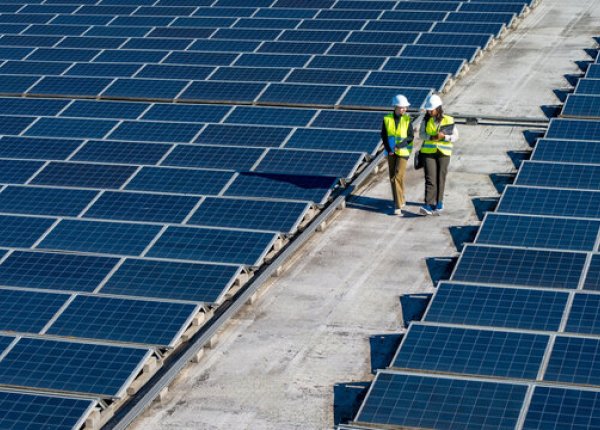
- Structural Roof Evaluations: Commercial roofs—whether metal standing seam, flat membrane, or concrete decking—must support the weight and wind load of the solar array. Partnering with certified specialists who offer integrated roofing solutions guarantees your roof membrane remains fully protected, watertight, and structurally sound before mounting begins.
- Wind Shear and Salt-Air Defense: Installations in coastal island environments require marine-grade anodized aluminum racking and 316 stainless steel hardware rated for extreme wind uplift forces, preventing oxidation and long-term mechanical failure.
2. Commercial Battery Storage and Peak Shaving Synergy
For many businesses operating on Oahu, daytime solar production is only half of the energy puzzle. Combining solar arrays with commercial storage delivers complete demand management.
- Mitigating Utility Demand Charges: Electric utilities charge commercial customers hefty fees based on their highest 15-minute peak usage period each month. Integrated battery storage automatically discharges during high-demand spikes, keeping grid draw flat and predictable.
- Grid Participation Programs: Utilizing advanced PV and battery storage solutions allows businesses to participate in utility resilience programs like HECO’s BYOD, earning additional financial incentives while maintaining 24/7 emergency backup power.
- Overnight Load Offsetting: Facilities operating round-the-clock can store excess daytime solar energy to power security systems, refrigeration, or evening shifts without pulling expensive off-peak grid power.
3. Professional Installation by Licensed Journeymen
Executing commercial solar panel installations without disrupting ongoing business operations requires experienced, in-house technical teams rather than third-party subcontractors.
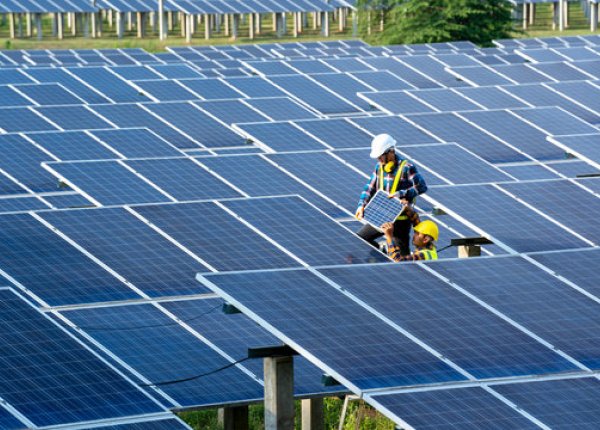
- Zero-Disruption Scheduling: Qualified installation teams coordinate heavy equipment lifts, conduit runs, and electrical tie-ins around business operating hours to avoid interference with customers, shipments, or staff.
- High-Voltage Safety and Compliance: Commercial systems utilize high-voltage DC arrays and three-phase AC interconnections. Having work performed exclusively by licensed electrical journeymen guarantees compliance with National Electrical Code (NEC) standards and Hawaii building regulations.
- Streamlined Utility Interconnection: Local teams manage the complex HECO interconnection permitting process from start to finish, preventing costly administrative delays and ensuring your system goes operational on schedule.
4. Financial Optimization: Tax Credits and Accelerated Depreciation
The financial returns of a commercial solar panel installation are among the most compelling of any capital improvement project available to Hawaii property owners.
- Federal Investment Tax Credit (ITC): Commercial solar can qualify for the Section 48E credit if it began construction by July 4, 2026 or is placed in service by December 31, 2027. See our Hawaiʻi solar tax credit guide.
- Hawaii State Solar Tax Incentives: Businesses can leverage Hawaii’s generous state tax credit of up to 35%, providing a massive upfront reduction in net project costs.
- MACRS Accelerated Depreciation: Under the Modified Accelerated Cost Recovery System (MACRS), companies can depreciate 80% to 100% of the solar asset value in the first year, drastically reducing taxable business income.
Combining precision engineering, battery integration, in-house craftsmanship, and financial incentive mastery transforms a commercial rooftop into a reliable, high-yield asset for decades to come.
Practical Impact: Commercial Solar Panel Installations in Real-World Operations
Commercial energy requirements vary dramatically depending on facility size, operating hours, and business model. These practical use cases demonstrate how Oahu enterprises successfully implement commercial solar panel installations to optimize operational overhead and secure long-term energy resilience:
- Eliminating Peak Demand Surcharges for Retail Centers: A Honolulu shopping center faced severe monthly electricity spikes driven by tenant cooling loads and afternoon lighting.
By completing a rooftop commercial solar panel installation paired with advanced battery storage, the property management group automatically offset afternoon usage spikes. This operational shift stabilized common area maintenance (CAM) fees and generated an immediate 45% reduction in overall utility expenses.
- Securing Uninterrupted Power for Refrigerated Warehouses: A food distribution warehouse in Kapolei required continuous cooling to protect perishable inventory during island grid fluctuations.
The facility upgraded its electrical capacity through specialized electrical services and added a heavy-duty commercial solar panel installation. The reliable on-site generation protected millions of dollars in inventory while cutting daytime power costs by over 60%.
- Enhancing Asset Value for Commercial Real Estate Developers: An industrial park developer in Pearl City integrated a high-capacity solar array during initial site framing. The pre-planned installation lowered ongoing facility operating costs, allowing the developer to offer competitive, locked-in utility rates that attracted long-term commercial tenants.
These real-world applications show that tailored commercial solar systems deliver instant financial relief, structural building value, and continuous operational confidence for island businesses.
Expert Advice for Maximizing Commercial Solar Panel Installations
Applying these experience-tested strategies ensures your renewable infrastructure delivers optimal financial performance and operational reliability. Here are essential best practices for Oahu business owners planning commercial solar panel installations:
- Conduct Peak Demand and Time-of-Use Audits: Analyze your facility’s 15-minute interval demand data before finalizing system engineering. Understanding when your property draws maximum power allows engineers to right-size commercial solar panel installations to offset costly peak utility rates without over-generating uncompensated daytime energy.
- Coordinate Pre-Install Structural and Roofing Inspections: Verify your building's structural integrity and roof membrane condition prior to mounting equipment. Completing essential roof repairs through integrated roofing solutions ensures your roof matches the 25-year design lifespan of your commercial solar panel installation, eliminating the cost of removing panels for later repairs.
- Select Island-Tested, Non-Corrosive Equipment: Specify marine-grade aluminum racking, stainless steel fasteners, and micro-sealed inverters built for coastal tropical environments. Choosing durable commercial hardware prevents salt-air oxidation, minimizing system downtime and preserving long-term production.
- Plan Infrastructure for Future Fleet Electrification: Install conduit capacity and main panel breaker space during your initial commercial solar power installation. Preparing electrical infrastructure early simplifies the future addition of commercial EV charging stations for corporate fleets or employee parking spaces.
Implementing these proactive planning measures protects your physical real estate asset, streamlines utility interconnection, and maximizes the return on your commercial solar investment.
Partner with AEI for Commercial Solar Panel Installations
Investing in commercial solar panel installations delivers immediate operating cost reductions, long-term financial stability, and enhanced real estate asset value for Oahu enterprises. You now understand how comprehensive load engineering right-sizes system capacity, how commercial battery storage mitigates utility demand charges, and how expert in-house installation guarantees 25-year structural reliability.
Selecting high-performance hardware engineered specifically for coastal island conditions ensures your commercial solar panel installation drives maximum return on investment for decades to come.
Securing your business against unpredictable electricity rate hikes is one of the most impactful financial decisions you can make for your commercial property. Leveraging Hawaiʻi’s 35% state tax credit, the federal Section 48E credit where the project qualifies, and federal depreciation programs turns an essential energy upgrade into a high-yield capital investment.
Ready to lower your operational overhead and transform your roof into a clean power generator? Contact the experienced local team at Alternate Energy Hawaii today to explore our custom photovoltaic solar systems and schedule a comprehensive commercial site evaluation with our in-house engineers!
Frequently Asked Questions About Commercial Solar Panel Installations
What is the average return on investment for commercial solar panel installations in Hawaii?
Most commercial solar panel installations on Oahu pay for themselves within three to five years. Hawaii’s high utility rates combined with the federal Section 48E credit (where the project meets its timing rules), Hawaiʻi’s 35% state solar credit, and MACRS accelerated depreciation dramatically shorten payback periods. After reaching full ROI, your facility produces essentially free electricity for the remaining 20+ years of system life.
How long does a commercial solar panel installation take to complete?
A typical commercial solar panel installation takes anywhere from two weeks to several months depending on facility size and system complexity. While physical rooftop mounting often wraps up quickly, the full timeline includes initial structural site audits, engineering designs, local building permits, and HECO utility interconnection approvals. Utilizing an experienced local team prevents administrative delays during utility permitting.
Can a commercial rooftop solar installation withstand Hawaii’s tropical weather and high winds?
Yes, high-quality commercial rooftop solar installations are engineered specifically to endure severe trade winds, tropical storms, and coastal salt spray. Installers utilize heavy-duty, wind-tested mounting structures and marine-grade stainless steel hardware rated for extreme uplift forces. Integrated solutions also ensure your underlying building membrane remains fully protected with specialized roofing solutions during mounting.
Will a commercial solar power installation disrupt daily business operations?
No, a professional commercial solar power installation will not interfere with your day-to-day business activities. Licensed electrical journeymen coordinate material delivery, crane lifts, and rooftop racking work during off-peak hours or weekends. Electrical cutovers and final panel interconnections are scheduled carefully to ensure zero downtime for facility staff, customers, or critical equipment.