Reliability in Every Bolt: 30+ Years of Hawaii Solar Energy System Installer Services
Reliability in Every Bolt: 30+ Years of Hawaii Solar Energy System Installer Services
Partnering with an experienced solar energy system installer ensures your home receives a durable, custom-engineered renewable power setup designed to withstand Hawaii's unique climate while drastically reducing your monthly electricity bills. Navigating rising utility rates and unpredictable weather requires a system built for long-term resilience rather than a quick fix.
Choosing the right solar energy system installer is critical because an improperly configured array can lead to system failures, missed tax incentives, and costly roof leaks. For Hawaii families, investing in reliable hawaii solar energy solutions protects against volatile grid prices and ensures continuous backup power during unexpected outages.
In this guide, you will learn how to evaluate system performance, maximize available tax credits, and select the right technology for your home's needs. Here is what you need to know to secure lasting energy independence.
What Is a Licensed Solar Energy System Installer and Why Does Local Expertise Matter?
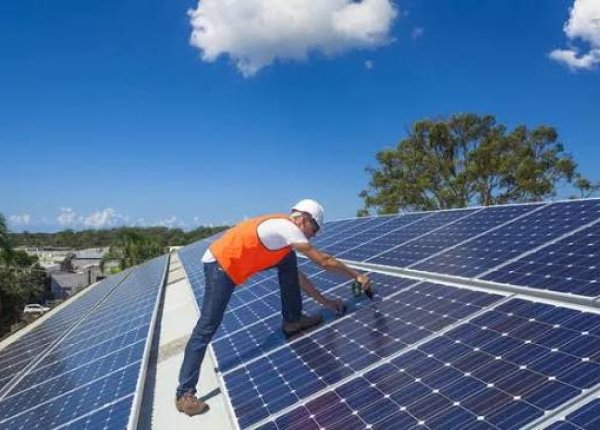
A professional solar energy system installer is a licensed contractor who designs, mounts, and integrates rooftop photovoltaic (PV) panels and electrical infrastructure to convert sunlight into usable household electricity. This process involves custom electrical engineering, roof structural assessments, precise wiring, and securing utility interconnection approvals to ensure your system operates safely and efficiently.
Hiring a qualified solar energy system installer directly affects your home's long-term financial return and structural integrity. In an island environment, systems face harsh salt air, intense tropical UV exposure, and heavy rain, making expert installation essential.
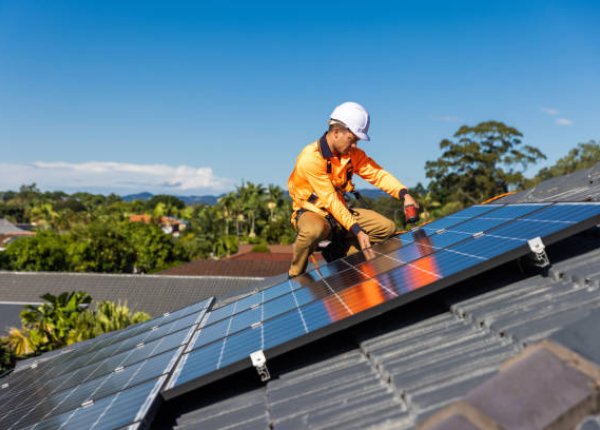
Choosing experienced local professionals ensures your photovoltaic system is properly anchored and wired to prevent corrosion, equipment failures, and roof leaks. Furthermore, properly integrated PV battery storage solutions protect your household from rising utility rates and unexpected grid outages by storing excess daytime power for night use.
Key benefits of partnering with a certified local installation team include:
- Long-Term Reliability: Systems are engineered specifically to withstand coastal winds, moisture, and high thermal loads.
- Incentive Optimization: Experienced teams help you navigate local utility policies and claim up to 65% in state and federal tax credits.
- Single-Point Accountability: In-house licensed professionals manage everything from structural mounting to final electrical permits without relying on third-party subcontractors.
A common misconception is that all solar panels perform identically regardless of who mounts them. In reality, even the highest-rated solar power systems in Hawaii will underperform or degrade prematurely if installed without proper electrical craftsmanship and weatherproofing.
Comprehensive Services Offered by Hawaii Solar Energy Specialists
A complete home energy upgrade involves more than just putting panels on a roof. Working with a full-service solar energy system installer ensures every component of your home's electrical and energy ecosystem works seamlessly together.
Here is a breakdown of essential services provided by leading hawaii solar energy specialists, designed to deliver maximum grid independence and long-term utility savings:
1. Photovoltaic (PV) Solar Panel Systems
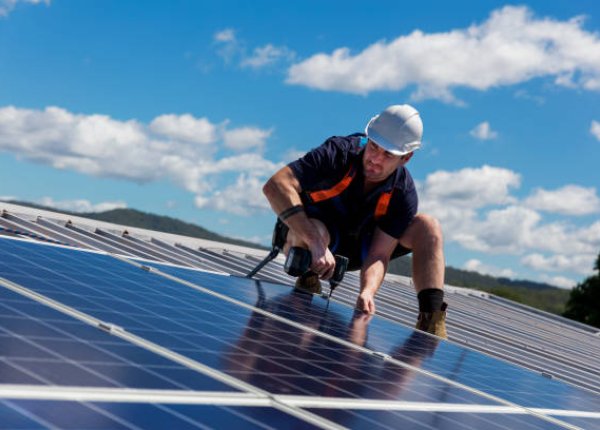
Custom-engineered solar arrays serve as the engine of your home's clean energy independence. A professional solar energy system installer designs PV systems using high-efficiency panels precisely calibrated to your roof's tilt, orientation, and shading profile.
In Hawaii, proper engineering takes into account intense sun exposure and heavy ocean winds. Using corrosion-resistant mounting hardware ensures your array withstands tropical weather while producing maximum daily kilowatt-hours, helping you claim valuable state and federal tax incentives.
2. Advanced Battery Energy Storage Integration
Adding battery storage converts a standard daytime solar array into a 24/7 power security hub. Modern battery storage captures excess energy generated during peak daylight hours for use after sunset, protecting your household against rising utility rates.
Furthermore, integrating battery storage allows homeowners to participate in programs like Hawaiian Electric's Bring Your Own Device (BYOD) Plus program. These utility-sponsored initiatives reward battery owners with upfront cash incentives and monthly bill credits for sharing a portion of stored power during peak grid demand windows.
3. Energy-Efficient HVAC and Split AC Systems
Cooling your home accounts for a massive portion of monthly electricity usage in the islands. Pairing high-efficiency cooling systems with rooftop solar eliminates uncomfortable indoor heat without driving up your energy expenses.
Expert installers often integrate advanced mini-split systems, such as energy-efficient air conditioning units from Mitsubishi Electric. These systems deliver targeted, zone-by-zone cooling using a fraction of the power required by conventional central air, keeping your living space cool while keeping energy demand low.
4. Solar Water Heating Systems
Water heating traditionally consumes up to 40% of an average Hawaii family's monthly electric bill. Installing a solar water heating system uses direct thermal sunlight to heat your home's water supply, immediately slashing utility costs.
Because solar water heaters operate independently from PV arrays, they offer one of the fastest financial payback periods of any green home improvement. Replacing an outdated electric water heater is one of the most practical first steps toward total household efficiency.
5. In-House Electrical Services and EV Charging Infrastructure
Modernizing your home's power infrastructure often requires panel upgrades, circuit wiring, and safety inspections before adding new energy loads. Relying on an in-house team of licensed journeymen electricians ensures all electrical work meets strict local building codes.
For electric vehicle (EV) owners, professional installers set up dedicated Level 2 home charging stations. Wiring EV chargers directly into your solar and battery network allows you to power your commute using clean energy generated directly from your own roof.
6. Solar-Integrated Roof Inspection and Repair
Installing solar equipment on an aging or damaged roof can lead to expensive structural repairs down the road. Certified installers inspect your roofing material—whether asphalt shingle, metal, or tile—to confirm its structural integrity before mounting any hardware.
If structural repairs or a full roof replacement are needed, handling both roofing and solar through a single qualified team prevents scheduling delays and ensures all flashing, sealing, and mounting penetrations carry comprehensive warranty coverage.
Choosing an experienced local team for your hawaii renewable energy upgrade gives you a single, accountable point of contact across every phase of your home's transformation.
Real-World Applications of Professional Solar Energy System Installer Services
Seeing how custom energy setups perform in everyday conditions helps homeowners move from initial research to confident decision-making. Here is how local property owners utilize a dedicated solar energy system installer to solve high utility costs and power instability across the islands:
- Slashing site-specificonthly Bills in Honolulu: A family of five was paying over site-specific per month to power their home and keep their living room cool during humid summer months. They consulted a certified solar energy system installer to replace their aging central air with ductless cooling and mount a custom 8kW rooftop PV array.
By combining hawaii solar electric generation with high-efficiency cooling, their monthly electric bill dropped to the baseline site-specific utility connection fee, saving them thousands annually.
- Securing Backup Power for Off-Grid Resilience in Pearl City: An Oahu homeowner worried about frequent stormy weather power outages needed a reliable way to keep medical equipment and refrigeration running.
The installation team integrated a high-capacity battery bank into their existing setup, enrolling the system in HECO's BYOD program. The outcome was seamless emergency backup during grid failures alongside monthly utility credits for contributing stored power back to the grid.
- Upgrading Commercial Warehouses for Tax Savings: A local business owner installed a 50kW commercial solar array to offset daytime operational machinery costs. The custom setup drastically lowered overhead expenses while maximizing state and federal tax credits to achieve a full payback within four years.
These real-world examples prove that partnering with a licensed local specialist delivers measurable financial returns and complete home power security.
Essential Expert Tips for Working with a Solar Energy System Installer
Implementing a major renewable upgrade requires proper preparation and execution to maximize return on investment. Following these strategic recommendations ensures you select the right solar energy system installer and avoid common post-installation pitfalls:
- Verify Hawaii C-13 or C-60 Specialty Contractor Licensing: Ensure your solar energy system installer maintains a valid Hawaii specialty contractor's license rather than relying on uncertified general laborers. Licensed installers manage complex electrical interconnections safely while ensuring your work meets island building codes.
- Evaluate True Battery Storage Capacity Over Peak Output: Focus on usable kilowatt-hours ($\text{kWh}$) rather than peak output kilowatts when sizing your battery. Having adequate stored energy guarantees your home runs essential appliances through extended nighttime grid outages.
- Confirm Integrated Roof Flashing Warranties: Ask your contractor to verify that all roof penetration mounts are installed using marine-grade, silicone-sealed flashings. Securing a unified roof leak warranty through a comprehensive solar installation and maintenance service protects your home's structural framing against moisture damage caused by tropical downpours.
- Audit Your System Sizing Against Electric Vehicle Demands: Plan ahead by adding extra PV panels if you intend to buy an electric vehicle. Sizing your system correctly from day one avoids the higher cost of retrofitting extra panels later.
Applying these best practices upfront guarantees a smooth installation process, maximizes long-term energy generation, and protects your household budget for decades.
Partner with Hawaii’s Premier Solar Energy System Installer
Partnering with a seasoned solar energy system installer ensures your home benefits from a durable, high-efficiency system tailored to Hawaii's unique climate. You now understand how combining custom photovoltaic design, battery storage, and energy-efficient cooling lowers monthly utility bills while building total household energy independence.
Taking a proactive approach to your home's power infrastructure protects your family against rising utility rates and unexpected grid outages for decades to come.
Investing in quality craftsmanship and in-house expertise delivers long-term peace of mind and maximum financial returns through local tax credits. Secure your family’s energy future today by contacting our team to design a custom system with a trusted, local solar energy system installer at Alternate Energy Hawaii.
Frequently Asked Questions About Hawaii Solar Energy Installations
What qualifications should I look for in a local solar energy system installer?
Choose a solar energy system installer that employs in-house licensed C-13 or C-60 journeymen electricians rather than third-party subcontractors. Look for a company with decades of local experience, specialized certifications (such as CertainTeed or Mitsubishi Diamond Contractor), and positive reviews from local homeowners to ensure safety, quality craftsmanship, and long-term warranty support.
How much can I save on tax credits with a new solar power installation in Hawaii?
Homeowners can take advantage of combined state and federal tax credits that may offset up to 65% of the total system installation cost. Federal solar investment tax credits along with Hawaii state energy incentives significantly shorten the payback period on photovoltaic arrays and battery storage systems. Consult a tax professional to confirm eligibility for your specific property.
Why is battery storage necessary when installing solar power in Hawaii?
Pairing battery storage with your PV array allows you to store excess clean electricity generated during the day for night use or during power outages. Additionally, local utility programs like HECO's BYOD Plus program offer financial incentives and bill credits when you connect approved battery storage to the grid, accelerating your overall system savings.
How do coastal weather and salt air impact solar panel systems?
Hawaii's humid, salt-rich air can corrode lower-grade mounting hardware and electrical connections over time. Professional installers use heavy-duty, marine-grade aluminum and stainless steel racking along with sealed junction boxes to prevent rust, water intrusion, and premature equipment degradation on island rooftops.
About the Author
Ryan Malaluan, CAPM®, is an SEO & Content Strategist with over 8 years of experience in SEO, content strategy, and digital marketing. He holds a Bachelor of Arts in Literature and is a Certified Associate in Project Management (CAPM®). Throughout his career, Ryan has worked with brands including Spacer, Airtasker, Marlee (formerly Fingerprint for Success), VEED.IO, and ROSEMET LLC, as well as several digital marketing agencies, helping businesses strengthen their organic visibility through strategic, results-focused SEO and content.