Residential vs Commercial Solar Systems
Exploring the Major Differences in Residential vs Commercial Solar Systems
Choosing between residential vs commercial solar can feel overwhelming, especially in Hawaii where electricity rates are among the highest in the nation. You want clean, dependable power, but the solar installation you choose must match your property type, energy usage, and long-term financial goals. Many homeowners and business owners begin the process excited about going solar, only to discover that residential solar and commercial solar systems function very differently.
The good news is that once you understand these distinctions, your decision becomes much clearer. This guide outlines the key differences in system size, design, pricing, installation, incentives, and long-term ROI. With this knowledge, you will be able to determine which option makes the most sense for your needs and how Hawaii’s solar market supports both households and businesses.
Let’s explore how these systems compare and why choosing the right one matters.
Key Differences Between Residential and Commercial Solar Systems
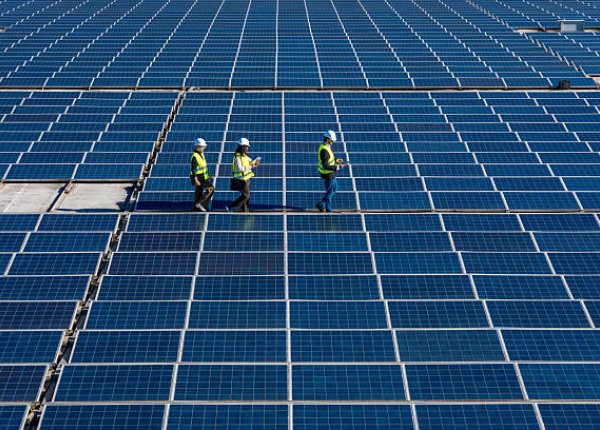
Residential and commercial solar systems both generate renewable energy, but they are engineered for different requirements. Residential solar systems are designed to meet the energy needs of a single household, typically ranging from 5 kW to 15 kW. Commercial solar systems, however, can range from 50 kW to several megawatts depending on available space and the facility’s energy demands.
This difference in scale affects everything from the cost-per-watt savings to installation time, equipment type, and performance capabilities. Thanks to Hawaii’s abundant year-round sunshine, both system types perform well, but commercial solar systems frequently achieve greater efficiency because of their size and high-capacity components.
Both system types offer major benefits, including:
• Lower electricity bills
• Greater protection against rising utility rates
• Reduced carbon emissions
• Potential eligibility for Hawaii solar incentives
A common misunderstanding is that commercial solar simply uses larger versions of residential equipment. In reality, commercial solar systems rely on different electrical designs, mounting structures, and inverters built for industrial-level loads. Understanding that distinction is key when evaluating bids, installation timelines, and long-term ROI.
How Residential and Commercial Solar Systems Compare in Hawaii
Comparing System Size and Energy Production Capacity
System size is one of the most noticeable differences when comparing residential vs commercial solar. Residential systems usually include 15 to 25 solar panels, while commercial systems may include hundreds or thousands.
Homes typically require 20–30 kWh/day, whereas commercial facilities such as hotels, warehouses, or retail centers may require hundreds. Hawaii businesses often have large rooftops, ground spaces, or parking structure canopies that enable high-volume solar production. Because commercial systems generate significantly more energy, they also enjoy better cost efficiencies long term.
To understand system sizing for homes, resources like EnergySage provide helpful comparisons for residential solar.
Comparing Installation Processes and Project Timelines
Installation processes differ dramatically between the two categories. Residential installations take one to three days once permits are cleared, with minimal impact on daily home life. Commercial solar installations require deeper engineering, structural analysis, interconnection studies, and multi-phase permitting with Hawaiian Electric.
As a result, commercial solar installations may take weeks or months to complete. However, careful planning minimizes business disruptions and ensures systems run efficiently for decades.
If you are exploring equipment options for homes, systems such as photovoltaic solar panels and PV storage solutions provide strong year-round energy production.
Comparing Solar Equipment and System Design Requirements
Residential solar typically uses standard-sized panels built for aesthetics and efficiency. Commercial systems rely on larger, high-wattage modules engineered for maximum output. Residential systems often use string inverters or microinverters, while commercial properties use central or multi-string inverter configurations to support high energy loads.
Commercial systems also require more complex electrical design to meet code requirements and handle Hawaii’s humidity, salt exposure, and coastal conditions.
Supporting equipment commonly incorporated into home systems may include solar water heating, energy efficient air conditioning, and roofing solutions for solar homes.
Comparing Costs, Incentives, and Long-Term ROI
Homeowners usually invest based on site-specific conditions before incentives. Commercial projects often reach six or seven figures but achieve lower cost-per-watt pricing because of large-scale purchasing and engineering.
Both system types qualify for Hawaii solar incentives and the federal Investment Tax Credit. However, commercial properties can claim additional benefits such as MACRS depreciation, significantly accelerating payback.
Typical ROI timelines:
• Residential solar: 5–8 years
• Commercial solar: 3–6 years
Commercial ROI is often faster due to higher energy usage and larger monthly offset.
To explore additional incentives and regulatory information, Energy.gov offers national guidance on renewable energy.
Comparing Maintenance Needs and System Lifespan Expectations
Both residential and commercial solar systems generally last 25–30 years or more. Hawaii’s climate introduces challenges such as salt air, humidity, and strong UV exposure, so maintenance considerations differ.
Residential systems require minimal upkeep beyond periodic cleaning and inspections. Commercial systems require more frequent monitoring because of scale, along with advanced energy tracking platforms.
Homeowners often pair maintenance with services like electrical upgrades or EV charging systems to optimize long-term performance.
Practical Ways Solar Benefits Homes and Businesses in Hawaii
Residential solar is ideal for homeowners looking for predictable monthly bills and long-term energy independence. Many Hawaii homes offset 70–100 percent of their electricity usage, significantly lowering overall expenses.
Commercial solar delivers even larger returns. A retail center with a 200 kW system might reduce electricity costs by 40–60 percent. Hotels, resorts, and industrial businesses with high energy demand experience some of the fastest payback periods in the state.
Niche use cases in Hawaii include agricultural operations, nonprofits, and remote facilities that depend on reliable energy access. Homeowners looking for portable power options may also explore portable solar systems for RVs and camping as an alternative energy supplement.
The takeaway is clear: both residential and commercial systems deliver powerful benefits tailored to different scales and energy requirements.
Best Practices for Choosing the Right Solar System in Hawaii
Following proven best practices helps you make an informed, long-lasting investment.
• Clarify energy goals before sizing your system.
Future needs may include EV charging, battery storage, or facility expansion.
• Choose high-quality, Hawaii-tested equipment.
Salt-resistant panels, durable racking, and corrosion-proof materials are essential.
• Compare financing options carefully.
Loans, leases, PPAs, and cash purchases each offer unique benefits.
• Work with experienced solar companies in Hawaii.
Local expertise ensures compliance with permitting, engineering, and incentive programs.
With these steps, both homeowners and businesses can achieve long-term savings and stronger energy independence.
Which Solar System Is Right for You?
Choosing between residential vs commercial solar ultimately depends on your energy usage, property layout, and financial goals. Homeowners benefit from affordable systems designed for modest power needs. Businesses gain large-scale savings, powerful incentives, and long-term operational efficiency.
Whether you want to power a single home or an entire commercial facility, solar panels Hawaii provide one of the most dependable and cost-effective investments available. With the right guidance, your solar installation can deliver decades of clean, reliable energy.
FAQs About Residential vs Commercial Solar in Hawaii
1. Is residential or commercial solar more cost-effective in Hawaii?
Commercial solar is usually more cost-effective due to lower cost-per-watt pricing and additional tax incentives. Residential solar still provides substantial savings but on a smaller scale.
2. How long do solar panels last in Hawaii?
Most panels last 25–30 years, and modern solar equipment is designed to handle salty air, humidity, and UV exposure.
3. Can residential solar eliminate my electric bill entirely?
Yes. Many Hawaii homeowners offset 70–100 percent of their usage, especially when paired with battery storage.
4. Do businesses qualify for more solar incentives than homeowners?
Yes. Commercial clients receive state and federal tax credits plus MACRS depreciation, offering accelerated financial returns.
5. What size solar system do I need in Hawaii?
Homes generally require 5–15 kW, while commercial systems range from 50 kW to several megawatts. System size depends on usage and available space.