Seamless Integration: What to Expect During Your Solar Power Panels Installation
Seamless Integration: What to Expect During Your Solar Power Panels Installation
Planning a solar power panels installation on Oahu often brings questions about permitting delays, roof penetrations, and electrical disruptions, yet the process runs smoothly when handled by a single, experienced local team.
With Alternate Energy Hawaii (AEI), your project moves seamlessly from initial energy review and custom engineering to city permitting, on-site mounting by licensed electrical journeymen, and final Hawaiian Electric activation.
For Oahu homeowners, understanding each milestone eliminates guesswork and protects your home against rushed workmanship or uncoordinated subcontractors. Whether you are pairing a residential solar panel installation with battery backup, roofing upgrades, or high-efficiency air conditioning, knowing the exact sequence of a home solar panel installation helps you prepare your property with confidence.
In this guide, you will learn what happens before, during, and after your solar power panels installation so you know what to expect at every stage. Here is how the process works.
Why Understanding the Solar Power Panels Installation Process Matters on Oahu
A solar power panels installation is the end-to-end engineering, permitting, mounting, and electrical interconnection process that transforms a residential roof or yard into a clean power generator.
On Oahu, completing a solar power system installation involves far more than bolting panels onto rafters—it requires coordinating City and County of Honolulu Department of Planning and Permitting (DPP) approvals, Hawaiian Electric grid-interconnection reviews, and island-specific weatherproofing.
For local homeowners, knowing how each step fits together protects your roof, electrical panel, and financial timeline. When contractors split work across uncoordinated subcontractors, projects frequently stall during permitting or suffer from mismatched equipment.
By working with Alternate Energy Hawaii for custom photovoltaic solar systems, you gain a single, locally owned team of in-house licensed journeymen managing every detail under one roof.
A well-organized solar panel installation for homes delivers clear, practical benefits from day one:
- Predictable Project Milestones: Clear engineering and permitting schedules prevent surprise delays before installation crews arrive at your property.
- Whole-Home System Compatibility: Coordinating solar panels alongside PV and battery storage solutions ensures inverters, backup loads, and utility export settings work in harmony.
- Long-Term Roof and Electrical Safety: Certified mounting attachments and marine-grade conduit protect your home against coastal salt air and heavy trade-wind rain.
Many homeowners assume the on-site crew arrival is the hardest part of a solar power panels installation, when thorough upfront planning actually drives the smoothest results. Knowing what happens at each stage puts you in control of your solar panel installation from start to finish.
Step-by-Step Guide: What Happens During Your Solar Power Panels Installation
Every solar power panels installation with Alternate Energy Hawaii (AEI) follows a transparent, seven-stage roadmap managed entirely by our Pearl City team. Rather than handing your home off to third-party subcontractors, our in-house engineers and licensed electrical journeymen coordinate every milestone—from initial load modeling and custom photovoltaic solar systems design to final Hawaiian Electric activation.
1. Initial Energy Consultation and Whole-Home Load Review
Your project begins with a no-pressure review of your past 12 months of Hawaiian Electric bills, household occupancy, and long-term energy goals. AEI’s consultants evaluate not just your current kilowatt-hour usage, but also upcoming electrical additions such as EV charging, solar water heating, or Mitsubishi split ductless AC. Sharing future plans during this first conversation ensures your solar installation for house power is sized accurately from day one rather than underbuilt.
2. On-Site Engineering Assessment and Roof Inspection
Next, an AEI technical specialist visits your property to inspect roof framing, shading angles, main breaker panel capacity, and conduit pathways. Because mounting panels over worn shingles or aging underlayment creates costly future repairs, our certified 5-Star CertainTeed solar-integrated roofing team checks roof health before finalizing the blueprint. If your roof has fewer than 10–15 years of remaining service life, AEI can complete roof repairs or replacement seamlessly alongside your array.
3. City Permitting and Hawaiian Electric Interconnection Filing
Once you approve the custom engineering layout, AEI’s permitting coordinators submit structural and electrical plans to the City and County of Honolulu Department of Planning and Permitting (DPP) while filing your interconnection application with Hawaiian Electric.
Whether enrolling in Smart Renewable Energy programs or HECO’s BYOD Plus battery program, this administrative review typically represents the longest calendar phase. Returning electronic signature forms promptly helps keep utility and HOA reviews moving without avoidable delays.
4. Roof Mounting and Electrical Conduit Preparation
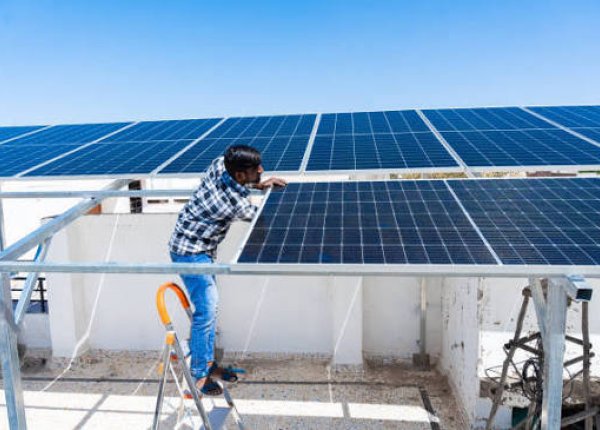
Once permits clear, AEI’s in-house crew arrives on site to install marine-grade anodized aluminum racking and weatherproofed flashing. Every roof penetration is sealed to withstand heavy trade-wind rain and coastal salt air, while licensed electrical journeymen run neat, code-compliant conduit and complete any required licensed electrical services panel upgrades.
5. Panel Mounting, Inverter Setup, and Battery Integration
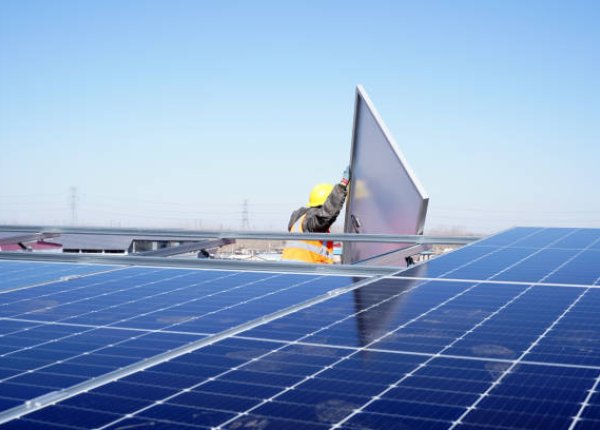
With racking and wiring prepared, technicians secure your high-efficiency solar modules and connect inverters and home battery storage. For most Oahu residences, active on-site solar panel install work takes just one to three days. Before leaving, our journeymen test every circuit, label disconnect switches, and verify clean, tidy workmanship around your home’s exterior.
6. City Inspection and Hawaiian Electric Meter Verification
Following physical completion, a City and County of Honolulu inspector verifies structural anchoring and National Electrical Code compliance. After the city signs off, Hawaiian Electric reviews the validation paperwork and programs or swaps your utility meter for bidirectional grid tracking.
7. Permission to Operate (PTO) and System Activation
As soon as Hawaiian Electric issues official Permission to Operate (PTO), AEI activates your system, verifies live power generation, and sets up your mobile monitoring app. Remember to leave the disconnect switch off until formal PTO arrives so your interconnection agreement remains compliant.
Understanding these seven steps ensures your solar power panels installation proceeds smoothly, safely, and on schedule from initial consultation to clean daily power.
Real-World Examples: How Seamless Solar Power Panels Installation Works for Oahu Homes
Seeing how the installation roadmap plays out on real Oahu properties shows why single-team coordination makes all the difference during a solar power panels installation. Here is how local homeowners move smoothly from initial assessment to clean, reliable daily power:
- Ewa Beach Family Bundling Cooling and Solar: A household struggling with site-specific monthly Hawaiian Electric bills wanted to eliminate peak cooling expenses without juggling multiple contractors. AEI’s in-house licensed journeymen completed a coordinated residential solar panel installation alongside energy-efficient air conditioning, finishing on-site mounting in two days and lowering their monthly utility bill to the standard site-specific connection fee.
- Kaneohe Homeowner Combining Roof Prep and Battery Backup: A Windward homeowner with an aging asphalt shingle roof worried about leaks and grid outages during trade-wind storms. AEI replaced the worn roof sections first and then installed solar panels with battery storage, eliminating tear-off risks and providing seamless 24/7 backup power.
- Hawaii Kai EV Owner Expanding Capacity: A resident who purchased an electric vehicle added extra panels and a dedicated home charger to their existing solar panels installation, cutting transportation fuel costs to near zero.
These everyday Oahu projects show that a well-planned solar power panels installation delivers predictable timelines and lasting energy independence for any home solar panel installation.
Practical Tips to Prepare for Your Solar Power Panels Installation
Knowing the seven installation stages gives you a clear roadmap, yet a few proactive steps on your end ensure zero delays once permitting begins. Apply these four practical best practices before your solar power panels installation starts:
- Share Upcoming Appliance and Vehicle Plans Early: Tell your consultant if you plan to buy an electric vehicle, add split AC, or upgrade to solar water heating within the next few years. Sizing your solar power system installation for future loads prevents underbuilding your array and avoids costly second-round utility applications later.
- Clear Driveway and Breaker Panel Access Before Crew Arrival: On installation mornings, move vehicles out of the driveway and clear at least three feet of workspace around your main electrical panel and garage walls. Giving AEI’s in-house licensed journeymen unobstructed access keeps your solar panel installation running cleanly on schedule.
- Submit HOA and Utility Signatures Promptly: If your neighborhood requires association architectural approval alongside city permits, review and sign electronic packets right away so administrative reviews stay on track.
- Reserve Your Installation Window Ahead of Peak Demand: Booking your consultation early secures your spot on AEI’s calendar without rushed engineering.
Following these simple preparations keeps your solar power panels installation stress-free and ensures your solar power installation reaches activation smoothly.
Start Your Seamless Solar Power Panels Installation on Oahu
A smooth solar power panels installation comes down to clear upfront planning, single-team accountability, and craftsmanship tailored to Oahu’s climate. Now that you understand every phase—from initial whole-home load modeling and city permitting to on-site mounting by licensed electrical journeymen and Hawaiian Electric activation—you can plan your residential solar panel installation with complete clarity.
Moving forward today puts your household on a predictable schedule toward lower electric bills—often dropping down to the standard site-specific utility connection fee—while securing up to 65% in combined state and federal tax credits.
Whether you are pairing panels with PV and battery storage solutions or upgrading an existing system, Alternate Energy Hawaii handles every detail in-house without third-party subcontractors.
Ready to begin a stress-free solar power panels installation tailored to your home? Schedule a no-pressure consultation or explore custom photovoltaic solar systems for your install solar panels project with Alternate Energy Hawaii today.
Frequently Asked Questions About Your Solar Power Panels Installation
How long does a solar power panels installation take from start to finish on Oahu?
Most residential projects on Oahu take 8 to 16 weeks from initial consultation to Hawaiian Electric activation, while physical rooftop mounting takes just one to three days.
City permitting and utility interconnection reviews account for most of that calendar time. Working with Alternate Energy Hawaii’s in-house engineering and permitting coordinators keeps your solar panel installation for homes moving smoothly without third-party handoff delays.
Can I turn on my solar panels right after the crew finishes mounting them?
No, you must wait until Hawaiian Electric completes its meter verification and issues official Permission to Operate (PTO) before flipping the disconnect switch on. Activating a grid-tied solar power system installation early can cause billing errors or safety issues for utility workers. Once PTO arrives, AEI activates your system, confirms live energy production, and sets up your mobile monitoring app.
What if my roof needs repairs before or during my solar panel install?
If your roof has fewer than 10 to 15 years of remaining life, addressing wear before mounting panels avoids expensive tear-off and reinstallation costs later. As a certified 5-Star CertainTeed Installer, AEI inspects your roof deck first and coordinates solar-integrated roofing repairs or replacements directly alongside your solar panel install, protecting your home with unified flashing and workmanship warranties.
Will my power be shut off during a residential solar panel installation?
Your electricity remains on for almost the entire project, with only a brief, scheduled shutoff of one to two hours when licensed electrical journeymen connect the inverter or battery system to your main breaker panel. AEI notifies you ahead of time so your household can plan around the short window, ensuring your solar power panels installation causes minimal disruption to your daily routine.
About the Author
Ryan Malaluan, CAPM®, is an SEO & Content Strategist with over 8 years of experience in SEO, content strategy, and digital marketing. He holds a Bachelor of Arts in Literature and is a Certified Associate in Project Management (CAPM®). Throughout his career, Ryan has worked with brands including Spacer, Airtasker, Marlee (formerly Fingerprint for Success), VEED.IO, and ROSEMET LLC, as well as several digital marketing agencies, helping businesses strengthen their organic visibility through strategic, results-focused SEO and content.