Year-Round Air Quality: Hidden Benefits of Backyard Solar Panels and Mitsubishi AC
Year-Round Air Quality: Hidden Benefits of Backyard Solar Panels and Mitsubishi AC
Pairing backyard solar panels with a Mitsubishi Electric ductless AC system lets Oahu homeowners run continuous air filtration and humidity control year-round without worrying about spiking Hawaiian Electric bills. When rooftop shading, HOA guidelines, or older roof structures limit roof installations, ground mounted solar panels generate clean, dedicated power right from your yard to keep your home’s indoor air crisp and healthy.
Across Hawaii, salt air, vog, trade-wind dust, and high humidity can degrade indoor air quality and trigger mold or allergy flare-ups—yet many families hesitate to run air conditioning continuously due to high electricity rates. Combining a backyard solar array with inverter-driven HVAC solves both cost and comfort at once.
In this guide, you will learn how ground mount solar panels work, why backyard solar panels pair seamlessly with Mitsubishi AC filtration, and how to design an integrated home energy system. Here is what you need to know.
How Backyard Solar Panels and Mitsubishi AC Work Together for Cleaner Air
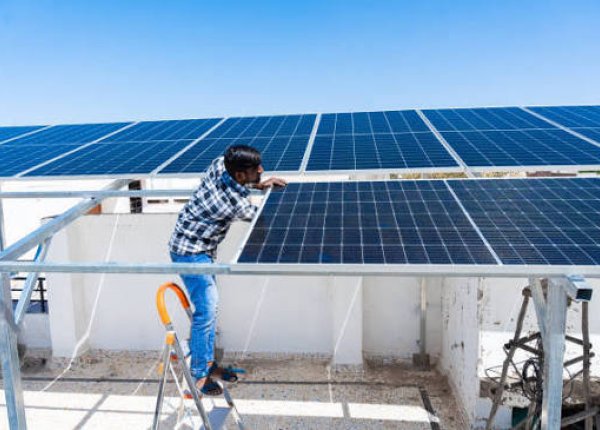
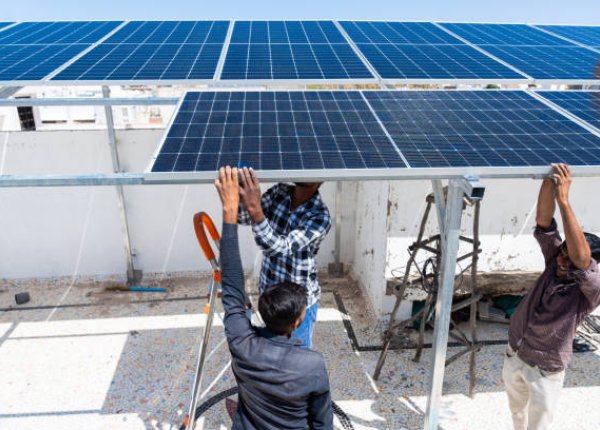
Backyard solar panels are residential photovoltaic (PV) modules mounted on engineered, corrosion-resistant racking anchored directly into your yard rather than your home’s roof. Instead of relying on roof pitch, structural rafters, or shaded eaves, ground mounted solar panels sit at an optimal south-facing tilt to capture maximum Hawaiian sunlight and convert it into clean household electricity.
For Oahu families, this setup solves a major health and budget challenge. Hawaii’s humid trade winds carry salt spray, volcanic vog, mold spores, and fine dust indoors—yet running standard air conditioning all day to filter that air often triggers painful Hawaiian Electric bills.
By generating dedicated clean power through custom photovoltaic solar systems, homeowners can run high-efficiency cooling and air purification continuously without worrying about utility rate spikes.
Pairing solar panels in backyard spaces with Mitsubishi Electric split ductless systems delivers three key advantages:
- Continuous Allergen & Vog Filtration: Advanced multi-stage filters capture fine particulate matter, pollen, and odors around the clock.
Mitsubishi Electric Trane HVAC US - Consistent Humidity Control: Inverter-driven compressors maintain steady indoor moisture levels between 30% and 50%, preventing mildew growth.
- Optimized Solar Production: Open yard placement avoids roof obstructions and improves airflow beneath panels for higher energy output.
Many homeowners assume backyard solar panels only power basic appliances, or that running energy-efficient air conditioning nonstop is cost-prohibitive. In reality, integrating ground mount solar with Mitsubishi’s variable-speed technology creates a self-sustaining indoor air shield built for island living.
How to Design a Backyard Solar and Mitsubishi AC System for Year-Round Air Quality
Designing a high-performing backyard solar panels and Mitsubishi Electric HVAC setup requires matching your property’s yard layout, air filtration goals, and battery storage strategy. By integrating custom photovoltaic solar systems with variable-speed cooling, Oahu homeowners can keep indoor air crisp and comfortable every day of the year.
Follow these five steps to plan a reliable, island-engineered system for your home:
Step 1: Assess Your Yard Space, Sun Exposure, and Setbacks
If you have ever wondered, can i put solar panels in my yard, the answer depends on unshaded square footage, soil stability, and local Honolulu building setbacks. Unlike rooftop arrays constrained by ridge lines, vents, or skylights, ground mounted solar panels residential systems can be positioned at the exact azimuth and tilt angle needed to maximize daily sun exposure.
Your installer evaluates afternoon shade from neighboring trees or Koʻolau ridges and plans neat underground trenching to connect your yard array safely to your main electrical panel.
Step 2: Size the Backyard Solar Array for Continuous HVAC Operation
Standard solar sizing often accounts only for basic lights and appliances, leaving families hesitant to run air conditioning during humid afternoons or vog advisories. When sizing your backyard solar array, calculate the steady load required to run Mitsubishi Electric split ductless units continuously in dry or auto-fan filtration modes.
Because open-air solar panels for backyard spaces allow cooling breezes to circulate beneath the modules, the panels operate at lower cell temperatures and maintain higher peak efficiency than flush-mounted roof panels.
Step 3: Choose Mitsubishi Electric Units with Multi-Stage Air Filtration
Once your clean power generation is sized, select indoor air handlers equipped with advanced purification stages rather than basic mesh screens:
- Nano Platinum and Electrostatic Enzyme Filters: Trap fine dust, pollen, pet dander, and household odors while neutralizing bacteria and mold spores.
- Plasma Quad Plus Filtration: Uses plasma ionization to capture microscopic PM2.5 particulates—including smoke and vog aerosols—down to 2.5 microns.
- Inverter-Driven Dry Mode: Removes excess tropical humidity without over-chilling rooms, preventing dampness on furniture, closets, and drywall.
Step 4: Pair Your Array with Battery Storage for 24/7 Air Purification
Clean air matters most at night when trade winds die down and families sleep with windows closed. Adding PV and battery storage solutions captures surplus midday solar energy from your yard so your Mitsubishi AC continues filtering and dehumidifying indoor air after sunset—without drawing expensive peak-hour electricity from Hawaiian Electric.
Enrolling eligible batteries in programs like HECO’s BYOD Plus can also unlock upfront incentives and monthly export bill credits while preserving backup power for outages.
Step 5: Rely on In-House Licensed Journeymen for Seamless Integration
Combining underground electrical conduit, concrete pier footings, battery inverters, and refrigerant lines requires tight coordination across multiple trades.
Working with an established local provider whose own licensed electrical services team handles panel upgrades, trenching, and Mitsubishi Diamond Contractor installation eliminates subcontractor delays and ensures salt-air durability. When your backyard solar panels and HVAC equipment are engineered together from day one, you gain dependable, low-cost indoor air quality built to last for decades.
Real-World Examples: Oahu Families Improving Indoor Air Quality with Ground Mount Solar
Seeing how Oahu households apply backyard solar panels alongside high-efficiency cooling shows how clean energy translates directly into healthier indoor living. Here is how local homeowners use ground mount solar panels to solve real air quality and roof constraints:
- Kaneohe Multi-Generational Home with Heavy Roof Shade: A family living near lush Windward trees suffered from indoor humidity and allergy flare-ups, yet dense canopy shade and an aging shingle roof made rooftop panels impractical.
By installing ground mounted solar panels in an open sunny section of their yard alongside a multi-zone Mitsubishi split AC system, they ran continuous air filtration and dehumidification while slashing their electric bill down to the standard site-specific connection fee.
- Ewa Beach Family Managing Vog and Dust: Parents with young children needed round-the-clock PM2.5 filtration during dusty afternoon trade winds and vog advisories, while also pairing home energy upgrades with solar water heating to cut household utility loads.
Sizing a backyard solar array with battery storage let them run Mitsubishi Plasma Quad Plus filtration day and night without triggering peak-hour grid charges.
- Wahiawa Property Owner Preserving a Historic Roof: A homeowner wanting to keep an older plantation roof untouched placed solar panels in backyard open space to power two bedroom ductless AC units, eliminating dampness and mold growth year-round.
These real-world setups demonstrate that backyard solar panels give Hawaii families reliable, clean power for healthier indoor air regardless of roof limitations.
Best Practices for Maximizing Your Backyard Solar and Mitsubishi AC System
Understanding how backyard solar panels power indoor air filtration is only the beginning; applying disciplined maintenance and setup habits ensures peak performance through years of coastal salt air and trade-wind dust. Follow these four tips to get the most out of your integrated system:
- Rinse Ground-Level Panels and Trim Yard Foliage: Unlike rooftop modules, ground mounted solar panels sit within easy reach for gentle fresh-water rinsing to clear salt spray, pollen, and vog film. Keep nearby shrubs and palm fronds trimmed back so afternoon shadows never cut into your array’s output.
- Clean Mitsubishi Filters Every Two to Four Weeks: Continuous air purification traps heavy dust and allergens quickly. Vacuum and rinse your indoor unit’s reusable mesh filters monthly—and replace specialized enzyme or Plasma Quad inserts on schedule—to maintain strong airflow and low power draw.
Nespolo Mechanical - Use Steady Auto-Fan and Dry Modes Instead of Constant On-Off Cycling: Inverter-driven energy-efficient air conditioning consumes far less solar electricity when maintaining a consistent temperature and humidity level rather than blasting at full speed to cool a hot room.
- Verify Corrosion-Resistant Racking and Conduit Seals: Ensure your ground mount solar hardware uses marine-grade anodized aluminum and sealed underground conduit to withstand Hawaii’s coastal moisture.
Consistent care keeps your backyard solar panels and Mitsubishi AC working in harmony for cleaner, healthier indoor air every day.
Enjoy Cleaner Air Year-Round with Backyard Solar Panels and Mitsubishi AC
Pairing backyard solar panels with a high-efficiency Mitsubishi Electric ductless AC system gives Oahu homeowners a practical way to filter out vog, salt air, and humidity year-round without worrying about steep utility bills. Now that you understand how ground mounted solar panels, multi-stage air filtration, and PV battery storage solutions work together, you can plan a clean-energy setup tailored to your yard and indoor comfort goals.
Investing in an integrated backyard solar array today protects your family’s indoor air quality, lowers monthly electricity costs down to the standard site-specific connection fee, and takes advantage of Hawaii’s combined tax incentives. With over 30 years of local expertise, Mitsubishi Diamond Contractor status, and an all-in-house team of licensed journeymen, Alternate Energy Hawaii designs systems built for long-term island performance.
Ready to explore how backyard solar panels and Mitsubishi cooling can transform your home’s comfort? Schedule a no-pressure consultation or learn more about custom photovoltaic solar systems from Alternate Energy Hawaii today.
Frequently Asked Questions About Backyard Solar Panels and Mitsubishi AC
Can I put solar panels in my yard if my roof is shaded or too old?
Yes, if you have ever wondered can I put solar panels in my yard, residential ground-mounted systems are designed specifically for properties with shaded, complex, or aging roofs. Installing backyard solar panels lets our in-house licensed journeymen position your array at the ideal sun angle while leaving your roof completely untouched—or giving you time to plan future upgrades with a certified solar-integrated roofing specialist.
How many backyard solar panels are needed to run a Mitsubishi ductless AC?
Most Oahu households only need four to eight high-efficiency backyard solar panels to offset the daily energy draw of a multi-zone Mitsubishi split ductless AC system. Because Mitsubishi inverter compressors adjust speed continuously rather than cycling on and off, they use up to 40% less electricity than conventional air conditioners while providing steady, whole-home air filtration and humidity control.
Are ground mounted solar panels eligible for Hawaii’s 65% combined tax credits?
Yes, ground mounted solar panels residential installations qualify for the exact same Hawaii state and federal renewable energy tax credits as rooftop systems. When paired with eligible battery storage, Oahu homeowners can capture up to 65% in combined tax savings while reducing monthly Hawaiian Electric bills down to the standard site-specific connection fee.
How do ground mount solar panels hold up against Hawaii’s trade winds and salt air?
Engineered ground mount solar racking systems are anchored with deep concrete pier footings and constructed from marine-grade, corrosion-resistant aluminum and stainless steel hardware. Built specifically for island weather conditions, a professionally installed backyard solar array withstands strong coastal trade winds, heavy rain, and salt spray for decades with minimal routine maintenance.
About the Author
Ryan Malaluan, CAPM®, is an SEO & Content Strategist with over 8 years of experience in SEO, content strategy, and digital marketing. He holds a Bachelor of Arts in Literature and is a Certified Associate in Project Management (CAPM®). Throughout his career, Ryan has worked with brands including Spacer, Airtasker, Marlee (formerly Fingerprint for Success), VEED.IO, and ROSEMET LLC, as well as several digital marketing agencies, helping businesses strengthen their organic visibility through strategic, results-focused SEO and content.