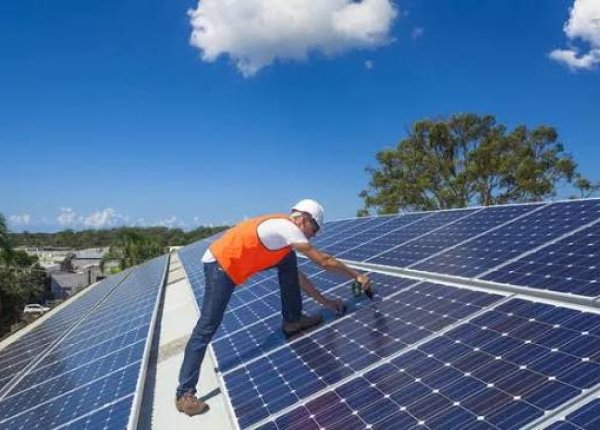
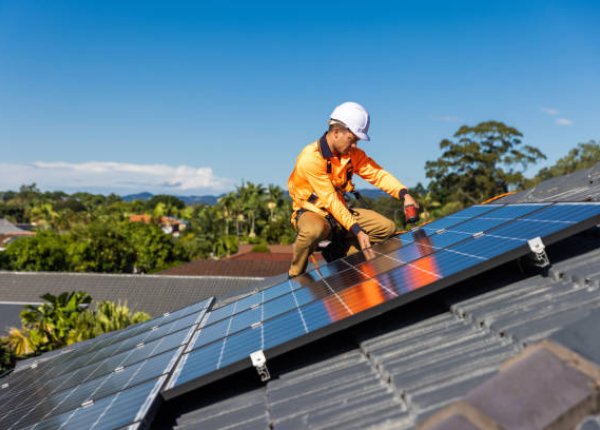
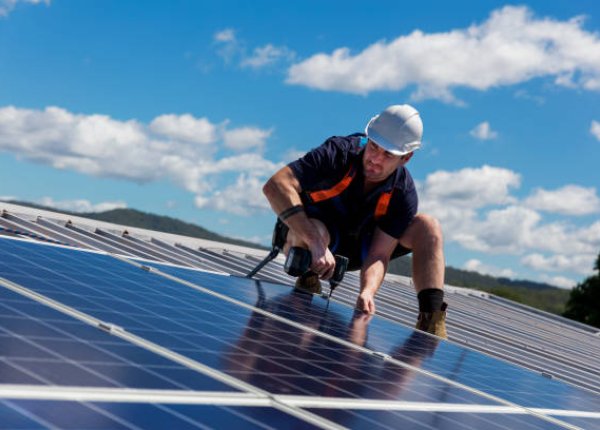
Solar Farm Energy in Hawaii
The Growing Role of Solar Farm Energy in Hawaii’s Energy Independence
If you’ve ever wondered how entire islands can run on clean energy, solar farm energy provides one of the clearest answers. Many homeowners already understand rooftop systems, but utility scale solar is a different story entirely. These massive solar farms can power entire communities, reducing dependence on imported fossil fuels and supporting Hawaii’s statewide goal of reaching full renewable energy adoption. Although promising, the transition brings challenges that include limited land, inconsistent weather, and the need for modernized grid infrastructure.
Still, Hawaii stands at a pivotal moment. With some of the highest electricity costs in the country and a strong mandate for renewable transformation, large scale solar systems are more important than ever. Solar farm energy offers stable energy production and long term cost reductions for consumers while strengthening the state’s energy resilience.
Why Solar Farm Energy Matters for Hawaii’s Future
Solar farm energy refers to the large scale generation of electricity through expansive fields of photovoltaic panels. Unlike residential rooftop arrays, these utility scale solar farms generate power at a commercial level, delivering electricity directly into the grid. This makes them essential as Hawaii works to decrease fossil fuel dependence and expand renewable energy adoption.
Hawaii’s electricity rates are driven partly by its reliance on imported oil. Solar farm energy reduces long term costs because it increases locally produced clean energy. This results in reduced fuel imports, steadier grid wide pricing, enhanced resilience during weather events, and more progress toward climate goals. To understand the broader impact of renewable systems on grid development, the Hawaii Clean Energy Initiative provides helpful statewide insights.
Some misconceptions claim that solar farms consume excessive land or harm local ecosystems. However, modern farms focus on low impact construction, the use of native vegetation, and dual use land strategies like agrivoltaics. Understanding these facts helps communities and developers make informed decisions about Hawaii’s renewable future.
How Solar Farms Work and What Makes Them Effective in Hawaii
Hawaii’s geography and weather patterns make solar farm design especially important. The following sections break down how solar farms generate power, stabilize the grid, and maximize energy efficiency across the islands.
How Solar Farms Generate Large Scale Power
Utility scale solar farms work by capturing sunlight through thousands of interconnected solar panels. These panels convert sunlight into direct current, which inverters then transform into alternating current for grid use. Since Hawaii receives abundant sunshine year round, production remains consistently high. This matters because stable solar output reduces reliance on traditional power plants and provides cleaner and more predictable energy. Technical guidance on photovoltaic science is also accessible through the U.S. Department of Energy.
After electricity is generated, it travels to substations that regulate voltage and send the power into the grid. Engineers must carefully manage this process to avoid overloads and ensure safe operation. Hawaii’s utility operators often use anti corrosive materials to withstand coastal conditions, protecting system longevity and minimizing maintenance disruptions.
How Solar Farms Support Grid Stability
Solar farms do more than generate electricity, they actively contribute to grid stability. Modern installations include smart inverters and advanced controls that help regulate voltage, frequency, and reactive power. These features reduce strain on the grid during rapid changes in weather or varying energy demand. This step matters because stabilizing the grid ensures consistent service for homes and businesses statewide.
In many projects, solar farms pair with energy storage systems to smooth out production. Storage captures excess energy during peak sunlight and releases it when solar output declines. This approach is especially effective in Hawaii, where evening demand spikes. To explore commercial scale storage innovations, the National Renewable Energy Laboratory offers research backed insights.
How Solar Farms Maximize Island Efficiency
Hawaii’s land constraints and sensitive environments require strategic system design. Solar farms maximize island efficiency through tracking systems that rotate panels to follow the sun. Trackers increase energy production without increasing land use, making them valuable in tight or uneven terrain. This improvement matters because a higher yield per acre supports Hawaii’s renewable goals efficiently.
Engineers also use bifacial panels that capture light from both sides, increasing overall production. Agrivoltaic concepts, which combine agriculture and solar energy production, allow land to support both farming and infrastructure. These innovative approaches ensure Hawaiians can balance environmental protection with clean energy growth.
Real World Applications of Solar Farms in Hawaii
Solar farms are already changing how Hawaii produces and consumes energy. On Oahu, major solar facilities help offset peak demand and reduce dependence on oil fired generators. This lowers grid strain and increases reliability during high usage periods.
On neighbor islands like Maui and Kauai, smaller communities rely more heavily on renewable sources. Solar farms on these islands have helped stabilize costs and significantly reduce fossil fuel imports. Maui’s increasing development of large scale solar also enhances opportunities for industrial solar power generation Hawaii and expands work for industrial solar installers Maui.
Agricultural regions are embracing agrivoltaics to preserve farmland while supporting energy generation. This dual use model creates new revenue opportunities and strengthens local sustainability efforts. The takeaway is that solar farms deliver diverse benefits that support community needs statewide.
Best Practices and Common Mistakes to Avoid
As organizations explore solar farm energy, understanding industry best practices helps ensure successful implementation and long term performance. These insights support developers of commercial solar systems Hawaii, industrial solar panels Hawaii, and multi site projects across the islands.
Conduct Thorough Land Assessments First
Before selecting a location, evaluate zoning rules, soil conditions, and available sunlight. These factors influence performance and can prevent costly redesigns. A thorough assessment also helps align system placement with natural features to preserve local ecosystems.
Prioritize Grid Compatibility Early
Grid integration is a common source of project delays. Collaborating early with utility companies ensures grid infrastructure can accommodate large energy volumes. Proper coordination helps prevent overloads and supports stable operation for both new and existing facilities.
Use Corrosion Resistant Materials
Hawaii’s coastal environment accelerates rust and corrosion. Systems built with stainless steel fasteners, coated aluminum frames, and insulated wiring maintain performance longer and reduce maintenance frequency. These considerations are especially important for long term solar power installation Hawaii planning.
Implement Vegetation and Land Management Plans
Native vegetation supports hillside stability and helps prevent erosion. Proper maintenance ensures plants do not shade panels, which can reduce output significantly. Smart vegetation planning also enhances aesthetics and reduces upkeep.
Invest in Real Time Energy Monitoring
Modern monitoring systems detect performance changes immediately. Real time dashboards help technicians correct issues quickly and minimize downtime. This proactive approach enhances reliability for projects offering commercial solar plus storage Hawaii solutions.
The Lasting Impact of Solar Farm Energy on Hawaii’s Future
Solar farm energy is one of Hawaii’s strongest tools for achieving true energy independence. With abundant sunlight and modern solar technologies, utility scale projects offer stable, clean, and affordable energy for communities statewide. By understanding how solar farms operate and avoiding common development mistakes, Hawaii’s residents and businesses can benefit from reliable renewable energy for decades to come.
As you explore solar opportunities, consider how broader infrastructure investments can complement utility scale projects. Supporting systems such as photovoltaic solutions, solar battery storage systems, energy efficient air conditioning, solar water heating, electrical services, roofing for solar installations, EV charging solutions, and considerations for remote grid solar systems strengthen Hawaii’s sustainability journey.
Frequently Asked Questions
1. What is solar farm energy and how does it work?
Solar farm energy comes from large photovoltaic arrays that convert sunlight into electricity. These systems feed directly into the grid and support entire communities. Hawaii’s abundant sunshine makes solar farms particularly effective.
2. How much land is needed for a solar farm in Hawaii?
Most utility scale projects require approximately 5 to 10 acres per megawatt. However, technologies like tracking systems and bifacial panels help reduce total acreage requirements.
3. Can solar farms lower electricity costs in Hawaii?
Yes. Increasing the share of renewable energy lowers fuel imports and stabilizes electricity prices. Solar farms provide predictable long term pricing for residents and businesses.
4. Are solar farms environmentally friendly?
Solar farms produce clean energy and reduce emissions. When designed with native vegetation and wildlife management plans, they offer low impact land use.
5. How long does it take to build a solar farm?
Most projects take 12 to 24 months from planning to completion. Timelines vary based on permitting, grid requirements, and equipment availability.