Solar Installation Process in Hawaii: A Step-by-Step Homeowner's Guide
Solar Installation Process in Hawaii: A Step-by-Step Homeowner's Guide
Worried that going solar means months of paperwork, strangers on your roof, and a system that sits there waiting for approval? The solar installation process in Hawaii usually takes about 6 to 10 weeks from first consultation to switching the system on, and most of that time goes to permits and utility approval, not construction. The physical install is often done in one to three days.
Why it matters: Hawaii households pay some of the highest electricity rates in the country, and every week a system isn't running is a week of full-price bills. Hawaiian Electric's interconnection rules also shape how your system has to be designed, so a misstep early on can cause delays later.
This guide walks you through each of the solar panel installation steps, explains where delays come from, and shows what you can do to keep your project moving. Here's how the solar installation process in Hawaii works, start to finish.
What the Solar Installation Process in Hawaii Involves and Why It Matters
The solar installation process in Hawaii is the sequence of steps that turns your roof into a working power plant: an energy review, a site assessment, rooftop solar system design, county permits, installation, inspection, and final approval from your utility. On Oahu, Maui, Hawaii Island, and Lanai that utility is Hawaiian Electric; on Kauai it's KIUC. Your system cannot legally export power until you receive Permission to Operate (PTO).
This matters because Hawaii doesn't work like the mainland. Traditional net metering closed to new customers years ago. Today's systems are enrolled in programs such as Smart DER tariffs or Hawaiian Electric's BYOD Plus program, and each program changes how much energy you should send to the grid versus store. Choosing the right setup for residential solar in Hawaii is what separates a system that cuts your bill from one that underperforms.
Understanding the solar installation process in Hawaii helps you:
- Set realistic expectations. You'll know which steps take days and which take weeks.
- Avoid costly redesigns. Systems sized for the right utility program get approved faster.
- Plan around your roof. Aging roofs should be addressed before panels go on, not after.
- Protect your savings. A properly permitted, inspected system keeps your warranties and incentives intact.
A common mistake is assuming the install day is the hard part. In reality, the paperwork sets the pace. That's also why many Hawaii homeowners now pair panels with battery storage in Hawaii: storing solar for the evening often fits current utility programs better than exporting it.
Step-by-Step: How the Solar Installation Process in Hawaii Works
Here are the seven solar panel installation steps most homeowners go through. Each one builds on the last, and knowing what happens at each stage makes the solar installation process in Hawaii far less stressful. If you're comparing options for home solar installation, use this as your checklist.
Step 1: Initial consultation and energy review
Purpose: Figure out how much energy you use and what you want the system to do.
Your installer reviews 12 months of electric bills, your goals (lower bills, backup power, EV charging), and your budget. Have your Hawaiian Electric or KIUC account number ready.
Tip: Mention planned changes, such as a new EV, heat pump, or added bedroom, so the system is sized for your future usage, not just your current usage.
Step 2: Site assessment and custom system design
Purpose: Confirm your roof and electrical panel can support the system.
A technician checks roof condition, orientation, shading, and your main electrical panel. The designer then builds a rooftop solar system design that matches your usage and the utility program you're joining. This is also when you decide on solar battery storage in Hawaii. Most homes pair panels with photovoltaic solar solutions sized to the roof and a battery sized to evening usage.
Tip: If your roof has less than 10 years of life left, replace or repair it first. Removing and reinstalling panels later is expensive.
Step 3: Solar permits and Hawaiian Electric interconnection application
Purpose: Get legal approval to build and connect.
Your installer submits building and electrical permits to your county and files the interconnection application with the utility. This is usually the longest stage, often several weeks, depending on county workload and whether the utility needs a technical review for your circuit. For a week-by-week breakdown, see our full solar installation timeline.
Tip: Respond quickly to any document or signature request. A single slow reply can add a week.
Step 4: Mounting and electrical preparation
Purpose: Prepare the roof and wiring for the panels.
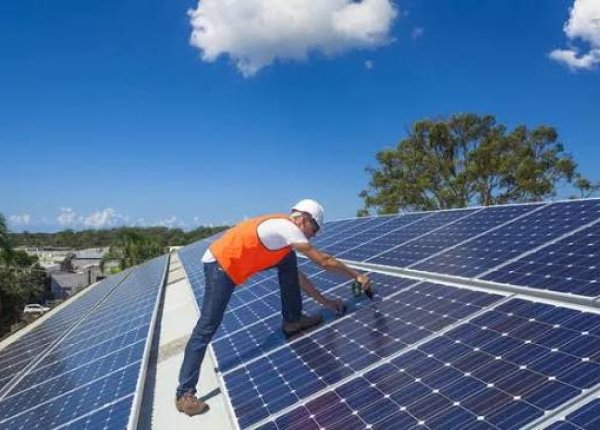
Crews install racking and flashing, seal every roof penetration against Hawaii's rain and trade winds, and run conduit. If needed, the main electrical panel is upgraded.
Step 5: Panel installation and inverter setup
Purpose: Put the system in place.
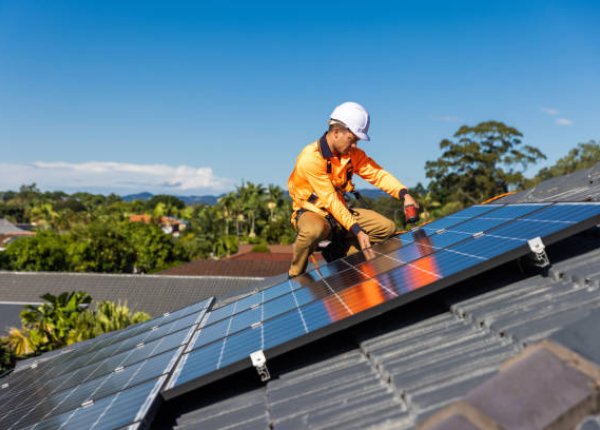
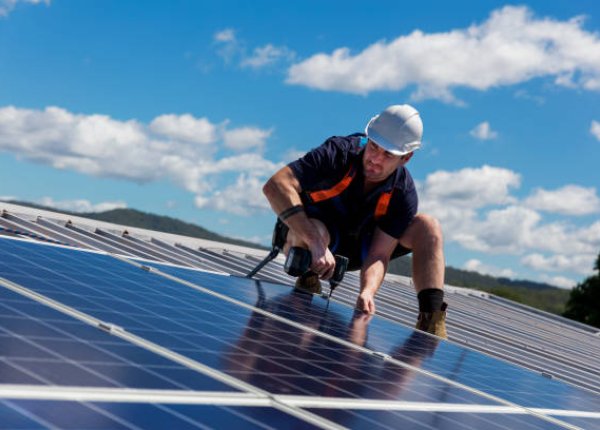
Panels are mounted, wired, and connected to the inverter and any battery. Most homes are finished in one to three days. Curious about the logistics? Here's what installation day looks like.
Step 6: Inspection and utility interconnection
Purpose: Verify the work meets code and utility standards.
A county inspector checks the installation. Once it passes, the utility completes its review and may swap or reprogram your meter.
Step 7: Permission to Operate (PTO) and activation
Purpose: Turn the system on.
After you receive PTO, your installer activates the system, tests performance, and sets up your monitoring app. From here, you can track production and battery charge daily.
Tip: Don't switch the system on before PTO. Operating without approval can violate your interconnection agreement.
Real-World Examples of the Solar Installation Process in Hawaii
Here's how the solar installation process in Hawaii plays out for different households.
A Kailua family with high evening use.
Their bills topped site-specific a month, mostly from evening AC and cooking. During design, they added battery storage in Hawaii sized to cover after-sunset usage. After PTO, most of their evening load ran on stored solar and their bill dropped sharply.
A Hilo homeowner with an older roof.
The site assessment found the roof had only a few years left. They reroofed before installation, which added about two weeks but avoided a costly panel removal later. The system passed inspection on the first visit.
A Kihei retiree planning for an EV.
She mentioned a future EV purchase during her energy review, so the design included extra capacity. When the car arrived a year later, no system expansion was needed.
Each case shows the same thing: decisions made early in the solar panel installation steps shape the results for years. Your project can work the same way.
Best Practices for a Smooth Solar Installation in Hawaii
These tips are the difference between knowing the solar installation process in Hawaii and getting through it without delays.
Gather your documents early.
Have 12 months of bills, your utility account number, and HOA rules ready before the consultation. Designers and permit staff move faster with complete information, and HOA approval can run in parallel with county permits instead of after them.
Match the design to your utility program.
Systems built for the right Hawaiian Electric program face fewer interconnection questions. Ask your installer which program they're designing for and why. Hawaiian Electric's BYOD Plus program is worth understanding before you sign.
Fix the roof first.
If your roof is aging, handle it before panels go up. Pairing solar with roofing services under one contract keeps warranties coordinated and avoids paying for removal and reinstallation later.
Choose an installer who manages permits.
A local installer familiar with county offices and utility reviewers can prevent avoidable rejections. Our guide to selecting a PV provider covers what to ask.
Getting these right keeps your project on schedule and your savings starting sooner.
Final Thoughts: Start Your Solar Installation Process in Hawaii With Confidence
The solar installation process in Hawaii follows a clear path: energy review, design, solar permits, installation, inspection, and PTO. Most projects take 6 to 10 weeks, and paperwork, not construction, sets the pace. You now know where delays come from and how to avoid them.
With Hawaii's high electricity rates, every month you wait is another month of full-price bills. Starting now also gives you time to review what solar costs in Hawaii and any Hawaii solar tax credit you may qualify for before committing.
Ready to take the first step? Get a site-specific design and timeline for your roof with Alternate Energy's residential solar installation in Hawaii.
Solar Installation Process in Hawaii: FAQs
How long does solar installation take in Hawaii?
Most projects take 6 to 10 weeks from consultation to activation. The physical installation usually takes one to three days. The rest of the solar installation process in Hawaii is spent on design, county permits, inspection, and waiting for Hawaiian Electric or KIUC to issue Permission to Operate. Complex roofs, panel upgrades, or utility technical reviews can extend the schedule.
Do I need a permit to install solar panels in Hawaii?
Yes. Every rooftop system needs county building and electrical permits, plus an approved interconnection agreement with your utility. Your installer normally handles the solar permits in Hawaii for you. Skipping permits can void warranties, block incentives, and cause problems when you sell your home.
Can I turn on my solar system before getting PTO?
No. You must wait for Permission to Operate from your utility. Running the system before approval can breach your interconnection agreement. Your installer will activate the system and test it once PTO is issued, which is the final step in the solar installation process in Hawaii.
Is a battery required for solar in Hawaii?
Not always, but it's often recommended. Under current utility programs, storing daytime solar for evening use usually delivers more savings than exporting it. Batteries also provide backup during outages. Compare options and incentives in our guide to Hawaii solar tax credits.
About the Author
Ryan Malaluan, CAPM®, is an SEO & Content Strategist with over 8 years of experience in SEO, content strategy, and digital marketing. He holds a Bachelor of Arts in Literature and is a Certified Associate in Project Management (CAPM®). Throughout his career, Ryan has worked with brands including Spacer, Airtasker, Marlee (formerly Fingerprint for Success), VEED.IO, and ROSEMET LLC, as well as several digital marketing agencies, helping businesses strengthen their organic visibility through strategic, results-focused SEO and content.