Solar Power for Data Centers
Powering Hawaii’s Data Centers With Clean, Cost-Efficient Solar Energy
Data centers are the backbone of modern digital infrastructure. Every cloud application, financial transaction, streaming service, and AI model depends on energy-intensive facilities running around the clock. As data usage grows, so do electricity demands, operating costs, and sustainability pressures.
For data center operators in Hawaii, these challenges are amplified. Electricity rates are among the highest in the United States, grid reliability can vary by location, and organizations face increasing pressure to reduce emissions and demonstrate environmental responsibility. Relying solely on traditional grid power exposes facilities to volatile pricing and long-term financial risk.
This is where solar power for data centers becomes more than a sustainability initiative. It becomes a strategic energy decision. By integrating solar energy into data center operations, organizations can reduce operating expenses, stabilize long-term costs, and significantly lower carbon footprints while improving energy resilience.
In this guide, we explain how solar power for data centers works, how it integrates with mission-critical infrastructure, and why renewable energy is increasingly essential for modern data center operations in Hawaii. You will also learn best practices, real-world use cases, and how to design systems that scale with growing data demands.
Understanding Solar Power for Data Centers
Solar power for data centers refers to the use of photovoltaic systems to generate clean electricity that supports the continuous, high-load requirements of servers, cooling systems, and network equipment. Unlike typical commercial buildings, data centers operate 24 hours a day and require extremely reliable power.
For this reason, solar energy for data centers is not designed to replace the grid entirely. Instead, it offsets a significant portion of energy consumption while working alongside battery storage and utility power.
In Hawaii, solar power offers unique advantages:
- Abundant year-round sunlight
- High electricity costs that improve solar ROI
- Strong policy support for renewable energy
- Increasing demand for data center clean energy
When implemented correctly, solar power becomes a core component of a data center with renewable energy, not an add-on.
Why Renewable Energy Matters for Data Centers
Energy consumption is one of the largest operating expenses for any data center. At the same time, environmental impact has become a key metric for investors, clients, and regulators.
Financial Drivers
Electricity costs directly affect profitability. In Hawaii, utility rates can fluctuate significantly, making long-term budgeting difficult. Solar power provides predictable, long-term energy pricing that protects against rising rates.
Sustainability and ESG Goals
Organizations are under increasing pressure to meet sustainability benchmarks. Renewable energy data centers demonstrate leadership by reducing emissions and supporting clean energy adoption.
Reliability and Resilience
Grid outages, peak demand charges, and infrastructure constraints all create risk. Solar power combined with storage improves energy resilience and uptime.
How Solar Power for Data Centers Works in Practice
Step 1: Data Center Energy Assessment
Every successful solar project begins with a detailed energy audit. Data centers must understand:
- Baseline energy consumption
- Peak load periods
- Cooling system demand
- Redundancy and uptime requirements
This analysis determines how much energy solar can realistically offset and identifies opportunities for efficiency improvements.
Step 2: Solar System Design and Placement
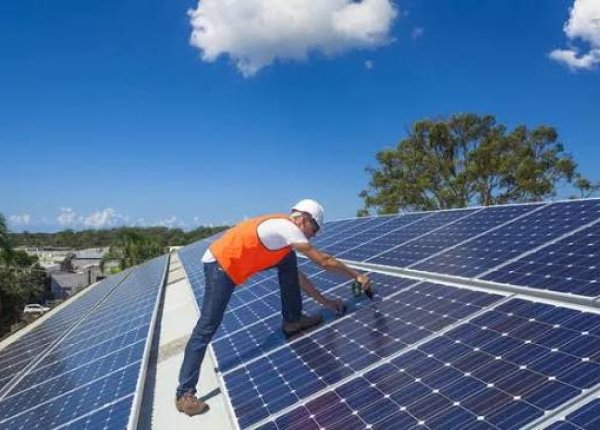
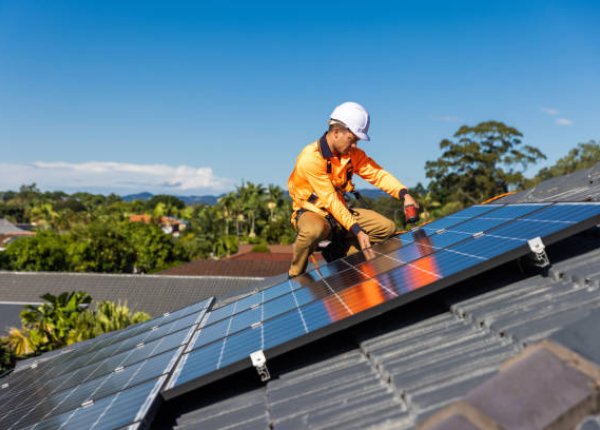
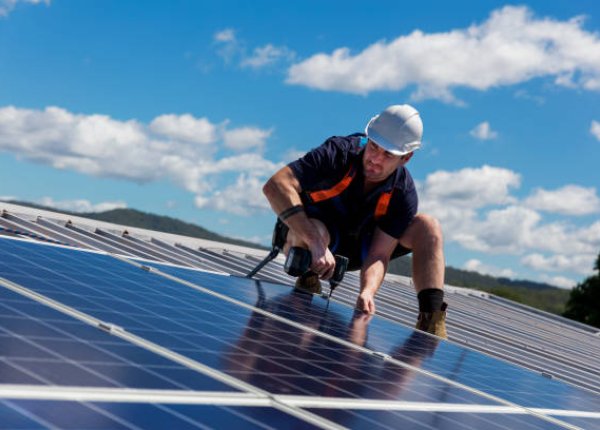
Solar systems for data centers are custom-designed. Common installation locations include rooftops, parking structures, and adjacent land.
In Hawaii, systems are optimized for consistent sunlight and may integrate with existing building infrastructure such as roofing solutions to ensure long-term durability.
Systems are typically modular, allowing expansion as data center capacity grows.
Step 3: Battery Storage Integration
Battery storage is a critical component of renewable energy integration in data centers. Batteries store excess solar energy produced during the day and release it when demand is high or solar production drops.
Battery storage supports:
- Peak shaving
- Load balancing
- Backup power during outages
- Smoother grid interaction
Many data centers pair solar with PV storage solutions to maintain uptime and reduce reliance on diesel generators.
Step 4: Electrical Integration and Energy Management
Solar systems integrate with existing electrical infrastructure using advanced inverters and energy management software. These systems automatically balance solar generation, battery storage, and grid power without disrupting operations.
Proper integration requires experienced electrical design, often coordinated with electrical services to ensure safety, redundancy, and compliance.
Step 5: Monitoring and Optimization
Real-time monitoring tools track:
- Energy production
- Consumption patterns
- Battery charge levels
- System health
Continuous optimization ensures maximum efficiency and fast issue detection. Over time, data helps operators fine-tune performance and expand capacity strategically.
Solar Energy for Data Centers and Cooling Systems
Cooling systems often represent the largest energy load in a data center. Solar power is particularly effective at offsetting cooling demand because peak cooling needs usually occur during daylight hours when solar production is highest.
Many facilities pair solar installations with energy-efficient air conditioning to reduce total load and improve system performance.
This combination significantly improves ROI while reducing strain on the grid.
Real-World Use Cases in Hawaii
Enterprise Data Centers
A mid-sized enterprise data center in Hawaii installed a rooftop solar system combined with battery storage. The facility reduced grid electricity usage by over 40 percent and significantly lowered operating costs while improving sustainability reporting.
Colocation Facilities
Colocation operators use solar power to offset daytime server and cooling loads. Predictable energy pricing improves long-term contracts with tenants and enhances competitive positioning.
Edge and Telecom Data Centers
Smaller edge facilities benefit from solar power as both a primary and supplemental energy source. Solar improves uptime in remote locations while reducing fuel dependency.
Benefits of Solar Power for Data Centers
Solar power delivers measurable advantages when integrated correctly.
Reduced Energy Costs
By generating electricity on-site, data centers reduce reliance on expensive grid power.
Long-Term Price Stability
Solar provides predictable pricing over decades, protecting against rate increases.
Lower Carbon Footprint
Solar supports data center green energy goals and emissions reduction targets.
Improved Energy Resilience
Battery-backed solar systems enhance uptime and reduce outage risk.
Enhanced Brand and Compliance Positioning
Renewable energy adoption strengthens ESG reporting and stakeholder confidence.
Renewable Energy Sources for Data Centers Beyond Solar
While solar power is a leading option, many facilities combine multiple renewable energy sources for data centers, including:
- Battery storage
- Grid-interactive demand response
- Energy efficiency upgrades
- EV charging infrastructure
Integrated systems that include electric vehicle charging further support sustainability initiatives.
Best Practices for Solar Powered Data Centers
Conduct Detailed Energy Modeling
Accurate modeling prevents under-sizing or over-investment.
Pair Solar With Storage
Storage maximizes value and supports mission-critical operations.
Design for Scalability
Choose modular systems that grow with demand.
Work With Local Experts
Hawaii’s grid, permitting, and climate require local expertise.
Monitor Continuously
Ongoing optimization protects ROI and system health.
Policy and Community Impact in Hawaii
Municipal and state initiatives increasingly support renewable energy adoption. Solar-powered data centers align with broader goals discussed in this overview of the role municipalities play in solar development.
Participation in clean energy adoption strengthens community relationships and long-term viability.
Building the Future of Data Center Clean Energy
Solar power for data centers is no longer experimental. It is a proven, scalable solution that reduces costs, improves resilience, and supports sustainability goals.
In Hawaii, where energy challenges are intensified, solar power offers unmatched advantages. When combined with battery storage, efficient cooling, and intelligent energy management, solar becomes a cornerstone of modern data center design.
Whether you operate a large enterprise facility or a growing edge data center, renewable energy integration is a critical step toward long-term stability.
To explore customized solar solutions for data centers in Hawaii, connect with Alternate Energy Hawaii and begin building a cleaner, more resilient energy future.
Frequently Asked Questions About Solar Power for Data Centers
Is Solar Power Reliable Enough for Data Centers?
Yes. When paired with battery storage and grid integration, solar provides reliable energy for mission-critical operations.
How Much Can Data Centers Save With Solar in Hawaii?
Many facilities reduce electricity costs by 30 to 60 percent over time due to high utility rates and strong solar production.
Can Solar Support Data Center Cooling Systems?
Yes. Solar is especially effective at offsetting daytime cooling loads.
Will Solar Installation Disrupt Operations?
No. Professional installations integrate seamlessly without downtime.
Is Solar Power Scalable for Growing Data Centers?
Yes. Modern systems are modular and expand alongside increasing demand.