What services does a full-service solar install company typically include?
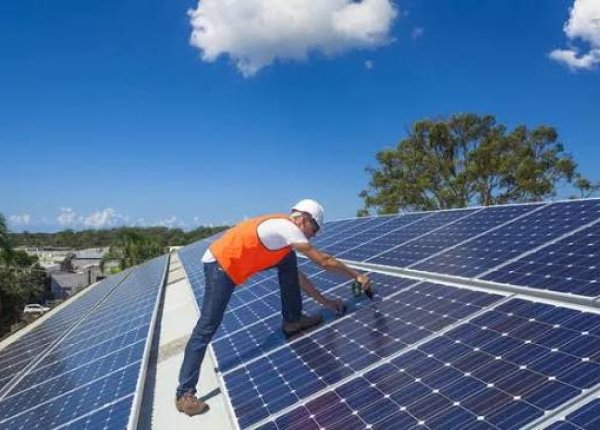
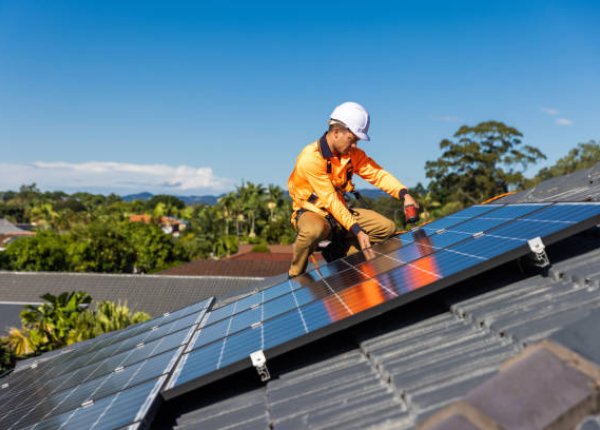
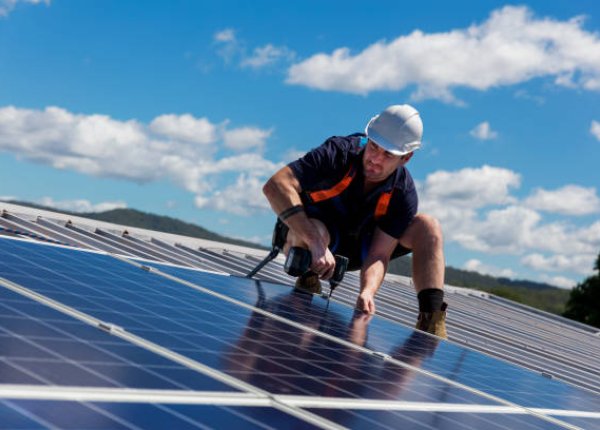
A full-service solar install company provides an end-to-end solution that manages every aspect of transitioning to renewable energy. This typically includes an initial site assessment and custom system design, followed by the handling of all necessary permits and utility interconnection paperwork. Beyond the core solar panel installation, these companies offer integrated energy solutions such as battery storage, solar water heating, and high-efficiency HVAC systems. By managing everything from procurement to final activation and ongoing maintenance, a full-service provider ensures a seamless experience for both residential and commercial clients looking to maximize their energy independence.
A Closer Look at Full Service Solar Installation
Choosing a comprehensive provider means moving beyond a simple hardware purchase to a strategic energy partnership. A full service solar installation streamlines the complex transition from traditional utility reliance to a customized, self-sustaining power plant on your roof. This holistic approach ensures that every component, from the silicon wafers in the panels to the software in the monitoring system, is optimized for long-term performance.
What Actually Works for Solar Energy Systems (and Why)
To achieve maximum ROI, the integration of multiple technologies is more effective than a standalone setup. High-performance solar energy systems succeed when they are designed with the "whole-house" or "whole-building" philosophy:
- Custom Design: Utilizing 3D modeling to account for specific roof angles and shading.
- Storage Integration: Coupling panels with PV storage solutions to ensure power availability during evening hours or grid outages.
- Efficiency Audits: Addressing high-draw appliances first, such as upgrading to energy efficient air conditioning, to reduce the overall size and cost of the solar array needed.
What Influences the Right Choice in Solar Installation Services
Not all solar installation services are created equal. The right choice is dictated by site-specific variables and long-term goals:
- Property Type: Residential solar installation focuses on aesthetic integration and home value, while commercial solar installation prioritizes tax incentives and large-scale load shifting.
- Local Climate: In regions like Hawaii, salt-mist resistance and high-wind durability are non-negotiable for equipment longevity.
- Future Proofing: Planning for increased loads, such as future electric vehicle charging stations, ensures the system doesn't become obsolete in five years.
Where Most People Get It Wrong with Solar System Installation
The most common mistake in solar system installation is focusing solely on the lowest upfront price. This often leads to:
- Fragmented Accountability: Using different contractors for roofing and solar can lead to finger-pointing if a leak occurs. A full-service company often provides roofing services to maintain a single warranty.
- Underestimating Maintenance: Neglecting the need for professional electrical services and periodic system checks can result in a significant drop in production over time.
- Ignoring Solar Water Heating: Many homeowners overlook solar water heating, which is often the most cost-effective way to reduce a monthly utility bill.
What You Need to Know Before You Decide
Before committing to a solar system installation, it is vital to understand that the "full-service" label encompasses more than just labor. In Hawaii’s unique energy landscape, a provider's ability to navigate local regulations and environmental challenges is what determines your long-term savings.
- Integrated Incentives: A qualified solar install company should help you maximize the 30% federal tax credit alongside Hawaii's 35% state tax credit (capped at site-specific).
- Utility Programs: Ensure your provider is fluent in Hawaiian Electric’s latest offerings, such as the Smart Renewable Energy (SRE) programs and "Bring Your Own Device" (BYOD) battery incentives.
- Environmental Durability: Hawaii’s salt air and humidity require marine-grade mounting hardware and professional-grade sealing to protect your electrical services and roofing.
- Permitting Expertise: The administrative phase, including HOA approvals and county permits, often takes longer than the physical build; a full-service team manages this entire timeline for you.
- Single-Source Warranty: Choosing a company that handles both your solar and roofing needs prevents warranty gaps if leaks or structural issues arise.
Choosing the Right Option for Hawaii’s Unique Environment
In Hawaii, the effectiveness of solar installation services is deeply tied to local geography, utility regulations, and climate conditions. A professional solar install company must tailor every project to these specific situational factors to ensure maximum energy independence.
- Coastal vs. Inland Homes: Properties near the ocean require marine-grade, corrosion-resistant racking and sealed electrical components to withstand salt spray and high humidity, which can otherwise degrade a solar panel installation prematurely.
- Grid Stability & Outages: For residents in areas prone to rolling blackouts or storm-related disruptions, integrating PV storage solutions is essential. These systems provide critical backup power when the grid is down.
- High Occupancy Households: For large families, the "low-hanging fruit" of energy savings is often solar water heating. It can reduce overall electrical demand by up to 40%, allowing for a smaller, more affordable photovoltaic array.
- Electric Vehicle Adoption: If you plan to switch to an EV, your system should be designed with integrated electric vehicle charging stations from the start. This ensures your roof can generate enough power to cover both your home and your daily commute.
- Commercial Scalability: Businesses benefit from solar canopies and carports, which provide shade for customers while utilizing underused parking areas to meet high commercial energy loads.
How This Works in Real Projects
In practice, a full-service solar install company acts as a project manager to ensure technical theory translates into actual utility savings. Real-world projects in Hawaii often begin with an energy audit that looks beyond the roof. Professionals frequently recommend upgrading to energy efficient air conditioning before finalizing a solar design; by lowering the home's baseline cooling load, the required solar array size can be reduced, saving the client thousands in upfront equipment costs.
Observation of long-term outcomes shows that the most successful installations are those that account for Hawaii's aggressive salt-air environment. For example, in coastal residential projects, installers who prioritize marine-grade mounting hardware and integrated roofing inspections see significantly fewer maintenance calls over a 20-year span.
Furthermore, as utility policies shift, the "storage-first" approach has become the professional standard. Real-world data indicates that homes with integrated PV storage solutions achieve higher energy independence by capturing midday production for evening use, effectively "self-powering" during peak utility rate hours. This strategic execution ensures that the system is not just a collection of panels, but a high-performing financial asset.
Final Thoughts: Making the Right Choice
Ultimately, a full service solar installation is an investment in long-term reliability and financial independence. By selecting a partner that manages everything from initial permits to complex technical integrations, you ensure that your system is optimized for Hawaii's specific environmental and regulatory landscape. Whether you are prioritizing residential savings or commercial sustainability, the right solar install company will provide a seamless transition that protects your property and maximizes your ROI. Ready to take the next step? Exploring professional electrical services is a great way to ensure your home’s infrastructure is prepared for a clean energy future.
Frequently Asked Questions
What does a full-service solar install company actually do?
A full-service solar install company manages the entire lifecycle of your energy transition. This includes the initial site audit, custom system engineering, securing county permits, and handling utility interconnection paperwork. Beyond the physical solar panel installation, they provide long-term support through system monitoring, warranty management, and specialized electrical services to ensure your home or business remains powered efficiently.
Can a solar company help with my roof if it needs repairs?
Yes, high-quality solar companies in Hawaii often integrate roofing services into their offerings. Because solar panels are a 25-year investment, it is critical to ensure your roof is structurally sound before installation. A full-service provider can assess your roof’s health and perform necessary repairs or replacements simultaneously, ensuring a single, cohesive warranty for both the panels and the roof structure.
Will my solar system work during a power outage?
Standard solar energy systems are designed to shut down during an outage to protect utility workers. However, a full-service installer can include PV storage solutions (batteries) that allow your system to switch to "off-grid" mode. This keeps your essential appliances running and can even support electric vehicle charging during extended grid failures.
Are there other ways to lower my electric bill besides solar panels?
Absolutely. A comprehensive solar power services provider will often recommend a multi-pronged approach. This frequently includes solar water heating, which is highly efficient in Hawaii and upgrading to energy efficient air conditioning. By reducing your overall energy consumption first, you can often install a smaller, more cost-effective solar array.