Why Local Roots Make AEI the Premier Solar Photovoltaic Installer on Oahu
Choosing the right solar photovoltaic installer on Oahu is the difference between decades of energy independence and a costly system failure caused by Hawaii’s harsh salt air. With energy rates hitting record highs in 2026, homeowners cannot afford to gamble on "pop-up" companies that lack the local expertise to navigate our unique grid requirements and tropical climate.
When a system is poorly engineered or installed by inexperienced subcontractors, the consequences are real: voided warranties, roof leaks, and missed tax incentives that can cost a family thousands of dollars. Understanding what distinguishes a career-level photovoltaic installer from a temporary laborer is essential for protecting your home and your investment. This guide will clarify how to evaluate technical credentials, why in-house craftsmanship matters for longevity, and how a truly local solar pv installer maximizes your financial returns.
Here is what you need to look for to ensure your transition to clean energy is a permanent success.
What Defines a Qualified Solar Photovoltaic Installer on Oahu?
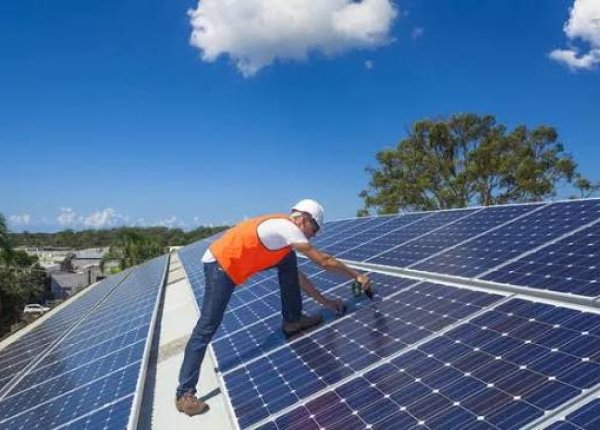
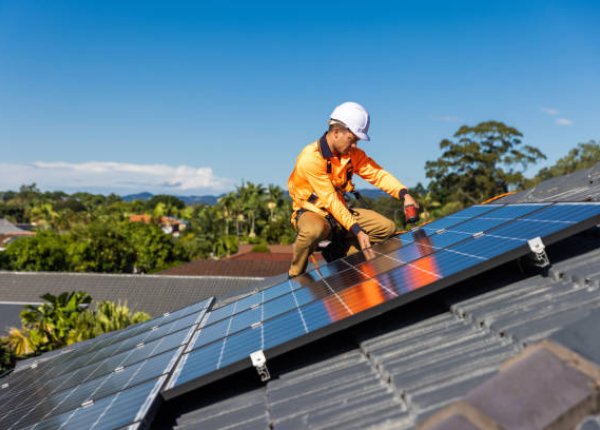
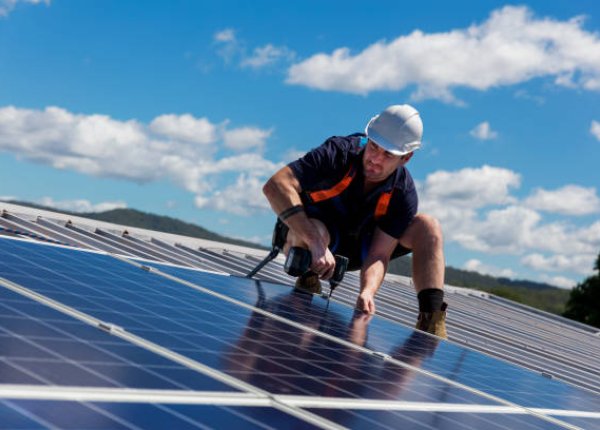
A solar photovoltaic installer is a specialized technical professional responsible for the design, assembly, and grid-integration of solar energy systems. Unlike general contractors, a dedicated solar pv installer must possess a deep understanding of electrical load calculations, roof structural integrity, and the specific permitting requirements of the Honolulu Department of Planning and Permitting. In practical terms, they transform sunlight into usable electricity by precisely configuring panels, inverters, and racking systems to operate as a single, cohesive unit.
For Oahu homeowners, the quality of your installation directly dictates the safety and financial viability of your property. Hawaii’s high humidity and salt-laden winds can cause rapid corrosion in standard electrical components. If your solar photovoltaic installer does not use island-tested materials or proper sealing techniques, you risk electrical fires or structural roof damage that insurance may not cover. Choosing a technician with local, long-term experience ensures your system is "built for the islands," providing peace of mind that your home remains powered through both tropical storms and rising utility rates.
Working with an expert team provides several immediate advantages:
- Maximum Efficiency: Systems are engineered to capture the most sunlight based on your specific neighborhood’s microclimate.
- Incentive Accuracy: Accurate technical documentation is required to secure Hawaii’s 65% combined state and federal tax credits.
- Grid Resilience: Professional integration with PV storage solutions allows your home to remain functional during utility outages.
A common misconception is that all solar panels are installed the same way. In reality, the technical precision of the mounting and wiring is what determines whether a system lasts five years or thirty. This underscores why the specific credentials of your installation team are just as important as the panels themselves.
Why a Locally Owned Team is Your Best Solar Asset
When searching for a solar photovoltaic installer, it is easy to be swayed by national corporations with massive marketing budgets. However, in Hawaii’s isolated and complex energy market, the technical superiority of a locally rooted team is the only way to ensure your system performs for its intended 25-year lifespan. At Alternate Energy Hawaii, we understand that a solar photovoltaic installer is more than just a technician; they are the architects of your home’s energy future.
The primary risk of national "big solar" firms is the accountability gap. These companies often outsource the actual labor to third-party subcontractors to manage high volume and lower their overhead. This fragmented approach often leads to a cycle of finger-pointing if a roof leak or electrical failure occurs. Because we utilize an all-in-house team of licensed journeymen, we provide a single point of accountability. The same team that designs your system is the one that installs it and stands behind your warranty.
The Standard of In-House Craftsmanship
The technical demands on a solar pv installer in 2026 have never been higher. Between the precision required for marine-grade hardware installation and the complexities of high-voltage wiring, there is no room for general labor.
- Licensed Journeymen vs. General Labor: Every AEI installation is spearheaded by licensed electrical journeymen. This ensures that your system adheres to the strictest Hawaii electrical codes, preventing the undersized wiring or loose connections that are common causes of performance drops and electrical hazards.
- Safety and Compliance: Our technicians undergo rigorous solar installation training that includes OSHA 30-hour safety standards and specialized fall protection. In the energy sector, safety is non-negotiable, and our in-house model allows for total quality control over every safety protocol on your roof.
- Local Permitting Expertise: Because our team works daily with the Honolulu Department of Planning and Permitting, we navigate the interconnection process weeks faster than mainland firms managing paperwork from out-of-state call centers.
Building for the Island Environment
A photovoltaic installer on the mainland rarely has to account for the corrosive impact of salt-laden tropical air. Our "built for the islands" philosophy means our installers prioritize marine-grade mounting hardware and premium equipment, such as Mitsubishi Electric modules, which are engineered for high UV exposure and humidity.
Furthermore, we don't just "slap panels on a roof." Our teams provide a holistic approach by integrating PV storage solutions and checking the structural integrity of your roof, often serving as a certified 5-Star CertainTeed roofing specialist to ensure the foundation of your system is sound.
Career Opportunities in the Island Energy Transition
As Hawaii continues its mandate toward 100% renewable energy, the demand for skilled professionals is soaring. We aren't just looking for temporary workers; we are invested in the local workforce. For those searching for solar system installer jobs or solar panel technician roles on Oahu, AEI offers a stable, family-oriented environment where technical excellence is the baseline.
By hiring and training locally, we ensure that the wealth generated by Hawaii’s green transition stays within our island community. Whether you are a homeowner seeking the best solar energy system installer or a professional looking for solar installation jobs, choosing a locally owned company means choosing a partner who is here for the long haul.
Real-World Impact: How Expert Installation Changes the Island Living Experience
Seeing the difference a professional solar photovoltaic installer makes often comes down to the long-term performance and resilience of the home. Here is how specialized technical expertise translates into real-world benefits for Oahu residents:
Use Case #1: The Coastal Homeowner in Ewa Beach A family living near the shoreline noticed their previous system’s racking was showing signs of severe rust after only four years. They hired a specialized solar panel technician from AEI to perform a full system audit and retrofit. By upgrading to marine-grade mounting hardware and integrating solar water heating to further offset their electric load, the family successfully halted the corrosion and secured their energy production for the next two decades.
Use Case #2: The Multi-Generational Family in Mililani With rising utility rates impacting their monthly budget, this household needed to achieve complete energy independence. A senior photovoltaic installer designed a custom array paired with a battery backup system to manage their heavy evening energy usage. The outcome was a reduction in their monthly bill to the site-specificinimum connection fee, providing them with enough savings to eventually add an electric vehicle charging station for the family's new EV.
Use Case #3: The New Property Owner in Honolulu A homeowner concerned about grid stability during hurricane season sought a high-resilience setup. By choosing a team that prioritizes in-house craftsmanship, they received a seamless installation that kept their lights and refrigeration running throughout a recent local grid outage.
These scenarios prove that the right installation team doesn't just provide equipment, they provide a lifestyle of security and financial freedom. Regardless of your location on the island, these same professional standards are available to protect your home.
Essential Tips for Choosing Your Solar Partner in 2026
Applying your knowledge of the solar industry is the final step in securing a high-return investment. In 2026, the difference between a high-performing asset and a maintenance liability often comes down to these experience-based best practices.
- Verify In-House Licensing and Credentials Always confirm that your solar photovoltaic installer holds a valid Hawaii C-13 (Electrical) license and employs in-house journeymen. Many national firms use temporary solar energy system installer crews or third-party contractors, which can lead to accountability issues if the system underperforms. An in-house team ensures that the technical standards and electrical services are consistent and backed by the company's local reputation.
- Audit for Marine-Grade Equipment On Oahu, "standard" equipment is rarely enough. Ensure your solar pv installer specifies marine-grade mounting hardware and salt-mist-resistant panels, especially if you live within a mile of the coast. Using sub-par materials in our tropical environment is a common mistake that leads to premature racking failure and electrical corrosion within just a few years.
- Design for Total Home Energy Management Don't just install panels; evaluate your home's total load. A top-tier photovoltaic installer will suggest lowering your baseline energy demand with solar water heating or high-efficiency AC before sizing your PV system. This "efficiency-first" approach prevents you from overpaying for a larger solar array than you actually need.
- Leverage 2026 Battery Incentives Early With the HECO BYOD Plus program offering upfront cash incentives of site-specific per kW in 2026, work with a solar technician who can maximize your storage configuration. This not only improves your ROI but also provides the energy resilience needed for 24/7 power security during grid fluctuations.
Following these best practices ensures that your transition to renewable energy is handled with the professional rigor required for long-term success in the islands.
Take Control of Your Energy Future with Oahu’s Trusted Solar Partner
Choosing a solar photovoltaic installer with deep local roots ensures that your home is equipped with a system engineered for Hawaii’s specific environmental and regulatory landscape. You now understand that the combination of in-house craftsmanship, marine-grade equipment, and a 30-year legacy of stability is what separates a high-return investment from a short-term fix. By prioritizing technical excellence over quick, subcontracted installations, you protect your property’s structural integrity and maximize your long-term utility savings.
With 2026 tax incentives at their peak and utility rates remaining unpredictable, there has never been a better time to lock in your energy independence. Taking this step today provides your family with the lasting security of a resilient home and the confidence that your investment is backed by a neighborly team that will be here for the life of your system.
If you are ready to transition to a cleaner, more affordable future, schedule a no-pressure consultation with Oahu’s premier solar photovoltaic installer to see how we can customize a solution for your home.
Frequently Asked Questions About Solar Photovoltaic Installation
What is the difference between a solar pv installer and a general electrician? A dedicated solar pv installer possesses specialized training in photovoltaic physics, DC-to-AC conversion, and structural roof mounting that general electricians may not have. While a general electrician understands home wiring, a photovoltaic specialist ensures your panels are positioned for maximum solar gain and that the racking system preserves your roof’s warranty. This specific expertise is what allows your system to withstand Hawaii’s unique environmental stressors.
How long does it take for a solar energy system installer to complete a home project? The physical installation typically takes one to three days, but the entire process, including site auditing, permitting, and utility interconnection, usually spans several weeks. Working with an experienced solar technician helps streamline this timeline, as a local team can navigate the Honolulu Department of Planning and Permitting (DPP) more efficiently than an out-of-state firm.
Are there solar panel installer jobs available for those with no experience? The industry is growing rapidly, but most reputable firms require specialized solar installation training or an electrical background to ensure safety and quality. Many entry-level solar installation jobs begin with apprenticeship programs where new hires work under a licensed journeyman. This hands-on mentorship is critical for learning how to properly handle high-voltage components and marine-grade hardware in a tropical climate.
Can a photovoltaic installer help me maximize my 2026 tax credits? Absolutely. A professional installation team provides the precise technical documentation and cost breakdowns required to claim the 30% Federal ITC and the 35% Hawaii state tax credit. By ensuring your system meets all "placed in service" requirements before year-end deadlines, your installer plays a vital role in shortening your ROI and maximizing the financial efficiency of your investment.