What are included in comprehensive solar installation services packages?
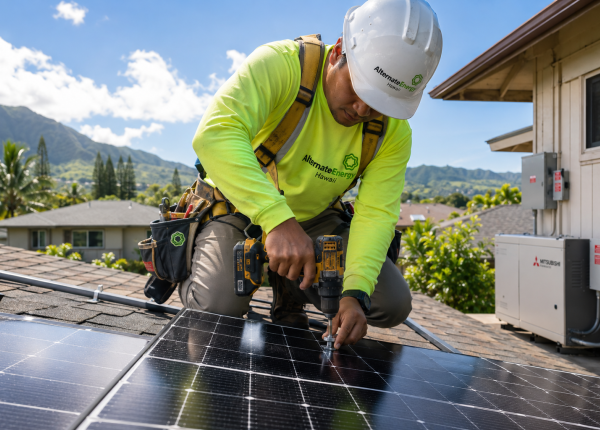
Comprehensive solar installation services packages provide a complete, end-to-end solution for transitioning to renewable energy. These packages typically include a professional site assessment, custom system design using high-efficiency photovoltaic panels, and expert installation by licensed technicians. Beyond the hardware, full-service packages handle essential administrative tasks such as permit processing, utility interconnection applications, and assistance with federal and state tax credits. For a future-proofed home, many packages also integrate advanced components like battery storage solutions, smart energy management monitoring, and long-term performance warranties to ensure maximum efficiency and reliability.
A Closer Look at Comprehensive Solar Installation Packages
Choosing a full-service provider ensures that every technical and logistical detail is managed under one roof. In Hawaii, the complexity of utility regulations and unique environmental conditions makes a bundled approach essential for long-term system performance and ROI.
What Actually Works for Residential Solar Installation (and Why)
A truly effective solar strategy goes beyond just mounting panels on a roof. High-performing packages focus on total home energy integration. This involves:
- Custom Photovoltaic Design: Engineering a system based on specific roof orientation and shading patterns.
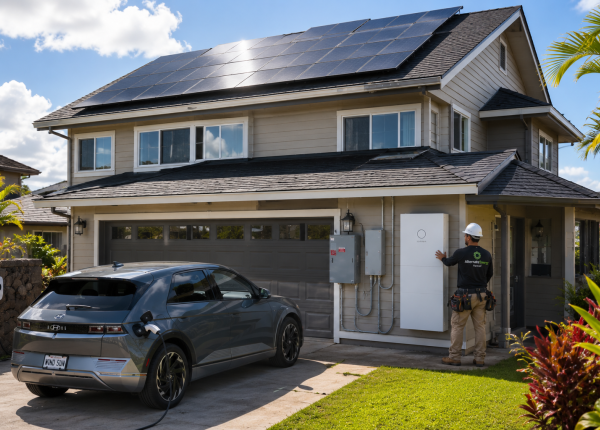
- Integrated Storage: Incorporating PV storage solutions to capture excess energy for use during peak evening hours or outages.
- High-Efficiency Components: Utilizing Tier-1 panels and micro-inverters that can withstand high humidity and salt spray.
What Influences the Right Choice in Solar Energy Systems
Deciding on the right package depends on more than just the number of panels. Homeowners must consider their total energy footprint. For instance, if you plan to add an electric vehicle or upgrade to a more efficient cooling system, your installation package should be scalable. Factors like roof age and current electrical panel capacity also dictate whether your service package needs to include specialized roofing or electrical upgrades to support the new load.
Where Most People Get It Wrong with Solar Services Hawaii
One of the most common mistakes is focusing solely on the upfront cost of the hardware while overlooking the "soft costs" and long-term maintenance. Many DIY or discount options fail to include:
- Permitting and Interconnection: Navigating local building departments and HECO requirements is a significant hurdle that professional packages handle entirely.
- Future-Proofing: Neglecting to plan for EV charging or water heating often results in higher costs later.
- Comprehensive Warranties: Without a single point of accountability, troubleshooting equipment failures between different manufacturers can become a nightmare.
By selecting a comprehensive package, you ensure that the installation is not just a purchase, but a reliable, decades-long energy solution.
What You Need to Know Before You Decide
Before committing to a provider, understanding the components of a complete package is vital for maximizing your return on investment. A high-quality installation is a long-term asset that requires professional coordination from start to finish.
Keep these essential factors in mind during your evaluation:
- In-House Expertise: Ensure the company uses an in-house team of licensed journeymen for all electrical services, rather than outsourcing to subcontractors.
- Structural Readiness: A professional package includes a roof inspection to ensure the surface can support panels for 25+ years; being a certified installer of premium materials is a significant advantage.
- Energy Diversification: Look for packages that offer more than just panels. Integrating solar water heating or energy-efficient air conditioning can often reduce your overall bill more effectively than increasing the number of photovoltaic cells alone.
- Interconnection Support: Navigating the specific HECO Smart Renewable Energy programs (like Smart Export or BYOD Plus) is a complex administrative task that your installer should manage entirely on your behalf.
Choosing the Right Option for Hawaii Solar Energy
Selecting a solar package in the islands requires a strategy tailored to our unique geographic and economic landscape. Environmental factors and utility structures in Hawaii necessitate specific considerations that differ from mainland installations.
- Coastal Resilience: For homes near the ocean, ensure your solar panel installation package includes salt-mist resistant racking and high-durability hardware to prevent corrosion from the sea air.
- Maximizing Incentives: Packages should be designed to leverage both the 30% federal tax credit and the Hawaii State Renewable Energy Technologies Income Tax Credit, which can significantly offset the initial investment.
- Infrastructure Synergy: If you are upgrading your home, look for providers that can bundle roofing services with solar. Installing panels on a new, high-quality roof ensures you won't have to pay to remove and reinstall the system for a roof replacement a few years down the line.
- Energy Independence: Given Hawaii's high electricity rates, choosing a package with integrated battery storage allows you to utilize your own power during peak evening periods, shielding you from utility rate hikes.
How This Works in Real Projects
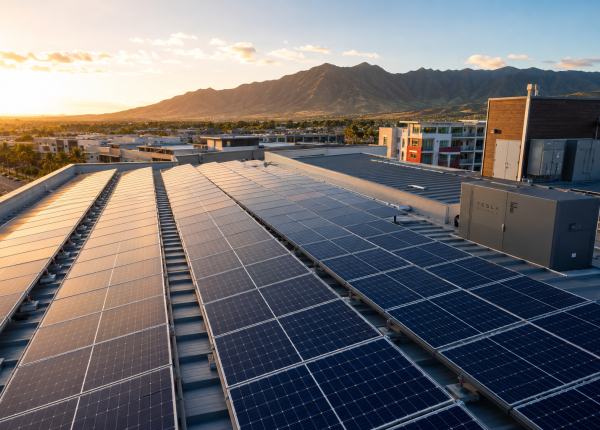
In practice, a successful transition to renewable energy is defined by how well the system integrates with a property’s daily operations. For commercial solar installation projects, this often begins with a rigorous load profile analysis. Engineers don’t just look at a monthly bill; they examine peak usage times to determine if the system should be sized for immediate consumption or coupled with electric vehicle charging stations to utilize mid-day production surpluses.
Real-world execution also reveals that the "best" package is the one that accounts for future lifestyle changes. For example, many homeowners find that their energy needs increase significantly after installing a swimming pool or switching to a multi-zone AC system. Professional installers recommend "over-provisioning" the racking or inverter capacity during the initial phase. This foresight allows for the easy addition of more panels later without requiring a complete system overhaul.
Observed outcomes over the last decade show that systems integrated with smart monitoring software lead to 15% higher long-term efficiency. By allowing users to track real-time performance, these comprehensive packages empower owners to adjust their habits, like running heavy appliances during peak sun hours, ensuring the technology performs exactly as promised in the design phase.
Final Thoughts: Making the Right Choice
Selecting the right package for solar companies Hawaii requires looking beyond the panels to the comprehensive support and expertise behind the installation. A successful project is the result of balancing high-efficiency technology with professional design and long-term maintenance. By prioritizing a full-service approach that includes everything from permitting to solar water heating integration, you ensure a seamless transition to clean energy. Ultimately, the best choice is one that provides immediate utility savings while securing your energy independence for decades to come, leaving you fully confident in your investment.
Frequently Asked Questions
How long does the solar panel installation process take?
The physical solar panel installation typically takes 1 to 3 days for most residential properties. However, the entire timeline, including site assessment, custom engineering, county permitting, and utility interconnection approval, can take several weeks. Choosing a comprehensive package ensures a dedicated team manages these administrative hurdles on your behalf.
Is solar really worth it in Hawaii?
Yes. Hawaii consistently has the highest electricity rates in the nation, making the return on investment for solar energy systems significantly faster than on the mainland. When combined with federal and state tax credits, most homeowners see their systems pay for themselves within 5 to 7 years.
Do I need a battery with my solar installation?
While not strictly required, a battery is highly recommended under Hawaii's current "Smart Renewable Energy" programs. Since traditional net metering is no longer available for new applicants, PV storage solutions allow you to store the energy you produce during the day to power your home at night, maximizing your savings and providing backup power during grid outages.
Will solar panels damage my roof?
A professional installation should never damage your roof. In fact, panels can protect the roofing materials underneath from UV degradation and weathering. However, because solar systems last 25+ years, it is critical to ensure your roofing is in good condition before installation. Many comprehensive packages include a professional roof transition assessment to avoid the cost of removing and reinstalling panels later.
What maintenance do solar services Hawaii require?
Solar systems are generally low-maintenance. In Hawaii, the primary concern is the buildup of salt residue, dust, or volcanic ash (vog), which can slightly reduce efficiency. We recommend a professional cleaning and a system health check once a year to ensure all components and electrical services are performing at peak capacity.