Rural Solar Electrification Programs
Powering Hawaii’s Rural Communities with Solar Energy
Reliable electricity is something many people assume is guaranteed, but across Hawaii, that is not always the case. While urban areas benefit from stable grid access and modern infrastructure, many rural and remote communities face high electricity costs, unreliable service, or limited grid connectivity. For these households, rural solar energy is not just a sustainability choice. It is a practical, cost-saving, and life-improving solution.
Rural solar electrification programs exist to close this energy gap. By combining solar power, battery storage, and financial incentives, these programs help rural homeowners, farmers, and small towns gain energy independence while lowering long-term costs. In Hawaii, where sunshine is abundant and grid expansion is expensive, solar power makes exceptional sense for rural areas.
Rural solar energy also supports broader economic and environmental goals. It reduces dependence on imported fuels, stabilizes energy expenses, and improves resilience during outages. For agricultural communities, renewable energy for farms helps control operating costs and strengthens long-term viability.
In this guide, you will learn how rural solar electrification programs work, why they are especially important in Hawaii, and how they are transforming energy access across the islands. We will explore real-world applications, including solar panels on farms and small town solar systems, along with best practices and common mistakes to avoid. If you have ever wondered whether solar power is realistic for rural Hawaii, this article provides clear, practical answers.
Understanding Rural Solar Electrification Programs
Rural solar electrification programs are initiatives designed to bring reliable, renewable electricity to areas where traditional grid access is limited, costly, or impractical. These programs focus on rural solar energy systems that can operate off-grid, grid-tied, or in hybrid configurations depending on location and infrastructure.
In Hawaii, rural communities often face higher electricity rates due to fuel transportation costs and aging infrastructure. Grid extensions into remote areas can be prohibitively expensive and disruptive to land and ecosystems. Rural solar electrification programs address these challenges by using local solar resources instead of relying solely on imported fossil fuels.
Key advantages of rural solar electrification programs include reduced reliance on utility grids, lower monthly energy costs over time, improved energy resilience during outages, and alignment with Hawaii’s renewable energy goals. These benefits extend beyond individual homes and contribute to stronger, more self-sufficient communities.
Many people assume rural solar energy is too complex or expensive. In reality, advances in technology and financing have made rural solar more accessible than ever. When systems are professionally designed and paired with incentives, solar becomes a reliable long-term investment rather than a financial burden.
Why Rural Solar Energy Matters in Hawaii
Hawaii’s geography makes energy independence especially important. Rural communities are often far from centralized power plants and rely on long transmission lines that are vulnerable to weather and outages. Rural solar energy reduces this vulnerability by generating power where it is used.
High electricity prices also place pressure on rural households and farms. Solar energy allows residents to control their energy costs instead of being exposed to unpredictable rate increases. Over time, these savings contribute to economic stability and improved quality of life.
For small towns and agricultural regions, rural solar supports local economies. Money saved on energy bills can be reinvested in farming operations, home improvements, and community development. This creates a ripple effect that strengthens rural areas across the islands.
How Rural Solar Electrification Works in Practice
Core Components of Rural Solar Systems
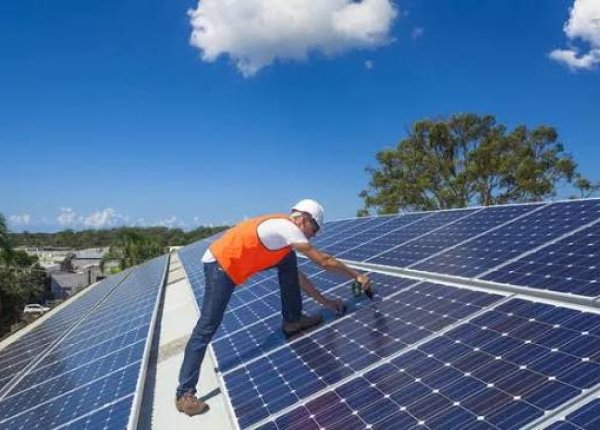
At the heart of rural solar electrification programs are solar photovoltaic systems that convert sunlight into usable electricity. These systems are designed based on household or facility energy needs, available space, and local environmental conditions.
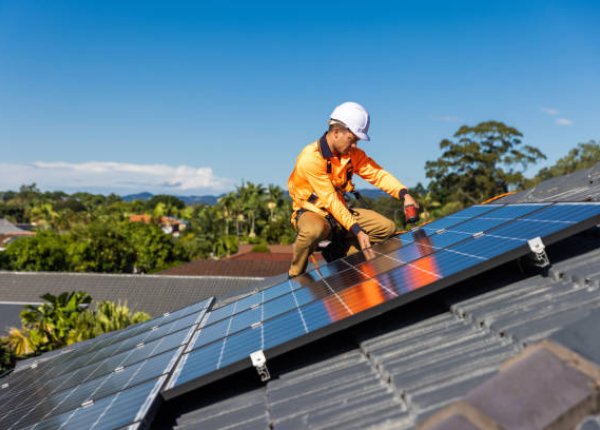
High-quality photovoltaic systems are essential for rural settings because they must perform consistently with minimal maintenance. Panels can be installed on rooftops or ground-mounted systems, depending on property layout.
Battery storage is another critical component. Rural solar energy systems often rely on batteries to provide power at night or during outages. Modern PV storage solutions store excess solar energy and deliver it when sunlight is unavailable, ensuring uninterrupted power.
Electrical integration ties the system together. Safe wiring, inverters, and monitoring systems allow solar energy to power homes, farms, and community facilities efficiently.
Financial Support for Rural Solar
Affordability is one of the most common concerns for rural homeowners. Rural solar electrification programs address this through incentives, tax credits, and financing options that reduce upfront costs.
Federal tax credits and state-level incentives can significantly lower the initial investment. Financing options spread costs over time, allowing households to begin saving on energy bills immediately. Over the life of the system, these savings often exceed the original installation cost.
The economic benefits of solar power are especially strong in rural areas with high utility rates. For many households, solar energy becomes a hedge against rising energy costs.
System Design for Rural Hawaii
Rural Hawaii presents unique challenges that require customized system design. Properties may be exposed to high winds, salt air, heavy rainfall, or uneven terrain. Rural solar electrification programs account for these factors during planning and installation.
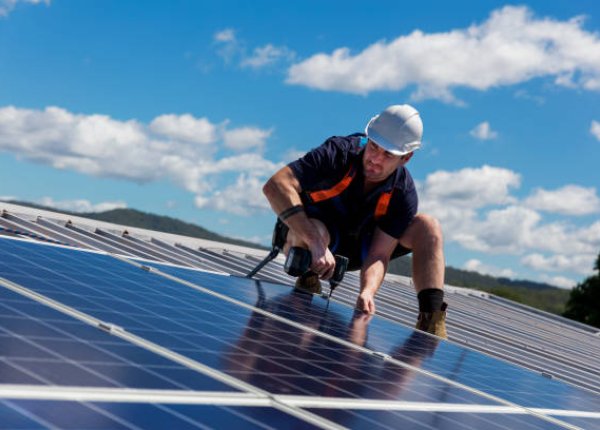
Professional design ensures panels are securely mounted and positioned for optimal performance. Electrical systems are designed to handle long distances between components and varying energy demands. This attention to detail is essential for long-term reliability.
Supporting services such as electrical services and durable roofing solutions play a major role in protecting solar investments in rural environments.
Rural Solar Energy for Farms and Agriculture
Solar power for farms is one of the most impactful applications of rural solar energy. Agricultural operations often require significant electricity for irrigation, refrigeration, equipment, and housing. Energy costs can be unpredictable and expensive, especially in remote areas.
Solar panels on farms provide a stable and affordable energy source. By generating power onsite, farmers reduce operating expenses and improve long-term financial stability. Renewable energy for farms also supports sustainable agriculture practices by lowering emissions and reducing dependence on fossil fuels.
Agricultural Solar Installation Benefits
Agricultural solar installation offers several advantages. Farms typically have ample land for ground-mounted systems, making solar farm development a viable option. These systems can coexist with crops or grazing areas, maximizing land use efficiency.
Solar farms on agricultural land can generate electricity for on-site use or feed energy back into the grid, depending on program availability. In some cases, excess generation creates additional revenue streams that support farm operations.
Over time, the benefits of solar energy in rural areas extend beyond cost savings. Solar-powered farms are more resilient to outages and fuel shortages, which is critical for food production and storage.
Small Town Solar and Community Applications
Rural solar energy is not limited to individual homes and farms. Small town solar projects play a key role in improving community infrastructure and public services. Community centers, schools, and shared facilities benefit from lower energy costs and increased reliability.
Solar-powered community buildings serve as visible examples of renewable energy success. They demonstrate how solar works in real-world conditions and encourage broader adoption among residents.
In some cases, rural communities develop shared solar systems that allow multiple households to benefit from a single installation. These programs expand access to clean energy for residents who cannot install solar on their own properties.
Integrating Solar with Energy Efficiency
Solar systems deliver the greatest value when combined with energy efficiency improvements. Reducing overall energy demand allows solar systems to meet a larger portion of usage and increases long-term savings.
Upgrading to energy-efficient air conditioning reduces electricity consumption in rural homes where cooling demands can be high. Solar water heating further lowers energy use by offsetting one of the largest household loads.
Energy efficiency strategies, such as those outlined in reducing household energy waste, help rural homeowners maximize the impact of their solar investments.
As electric vehicles become more common in rural areas, adding electric vehicle charging infrastructure allows households to power transportation with clean, locally generated energy.
Long-Term Benefits for Rural Communities
The long-term benefits of rural solar energy extend beyond individual households. Widespread adoption reduces strain on the utility grid and improves regional energy stability. Lower emissions contribute to cleaner air and healthier ecosystems.
Rural solar electrification programs also create local jobs in installation, maintenance, and energy education. These opportunities support rural economies and build technical expertise within communities.
Over time, energy-resilient communities are better equipped to handle natural disasters and supply disruptions. Solar energy strengthens infrastructure and supports self-reliance.
Best Practices and Common Mistakes to Avoid
Transitioning to rural solar energy is a smart decision, but success depends on careful planning. Best practices include prioritizing professional system design, including battery storage from the beginning, and understanding incentive eligibility.
Planning for future energy needs is also important. Households should consider potential changes, such as electric vehicles or expanded agricultural operations, when sizing systems.
Common mistakes include undersizing systems, overlooking maintenance planning, or working with installers who lack rural experience. Choosing professionals familiar with Hawaii’s rural conditions reduces risk and improves outcomes.
The Future of Rural Solar Energy in Hawaii
Rural solar electrification programs are reshaping how Hawaii’s rural communities access and manage energy. With abundant sunlight, advanced technology, and supportive incentives, rural solar energy offers a reliable path toward independence and sustainability.
For homeowners, farmers, and community leaders, rural solar provides more than electricity. It delivers resilience, economic stability, and environmental responsibility. As Hawaii continues its clean energy transition, rural solar solutions will play an increasingly important role.
If you are exploring rural solar energy options, working with experienced local professionals is the next step. With the right guidance, rural solar electrification can power Hawaii’s rural future with confidence and long-term value.
Frequently Asked Questions About Rural Solar Energy
Is rural solar energy reliable in Hawaii?
Yes. With proper system design and battery storage, rural solar energy systems in Hawaii provide reliable power year-round, including during outages.
Can rural homes go completely off-grid with solar?
Many rural homes operate fully off-grid using solar panels and batteries. Success depends on accurate system sizing and professional installation.
Are incentives available for rural solar electrification programs?
Federal tax credits and Hawaii-specific incentives can significantly reduce installation costs. Eligibility varies by location and system type.
How long do rural solar energy systems last?
Most solar panels last 25 to 30 years, while batteries typically last 10 to 15 years with proper maintenance.
Is rural solar energy cost-effective long-term?
In most cases, yes. Long-term savings from reduced electricity bills often outweigh the initial investment, especially in rural areas with high utility rates.